
Supreme Court transfers RG Kar rape case oversight to Calcutta HC. Victim's parents continue fight for cover-up probe and death penalty for Sanjay Roy.
 Brajesh Mishra
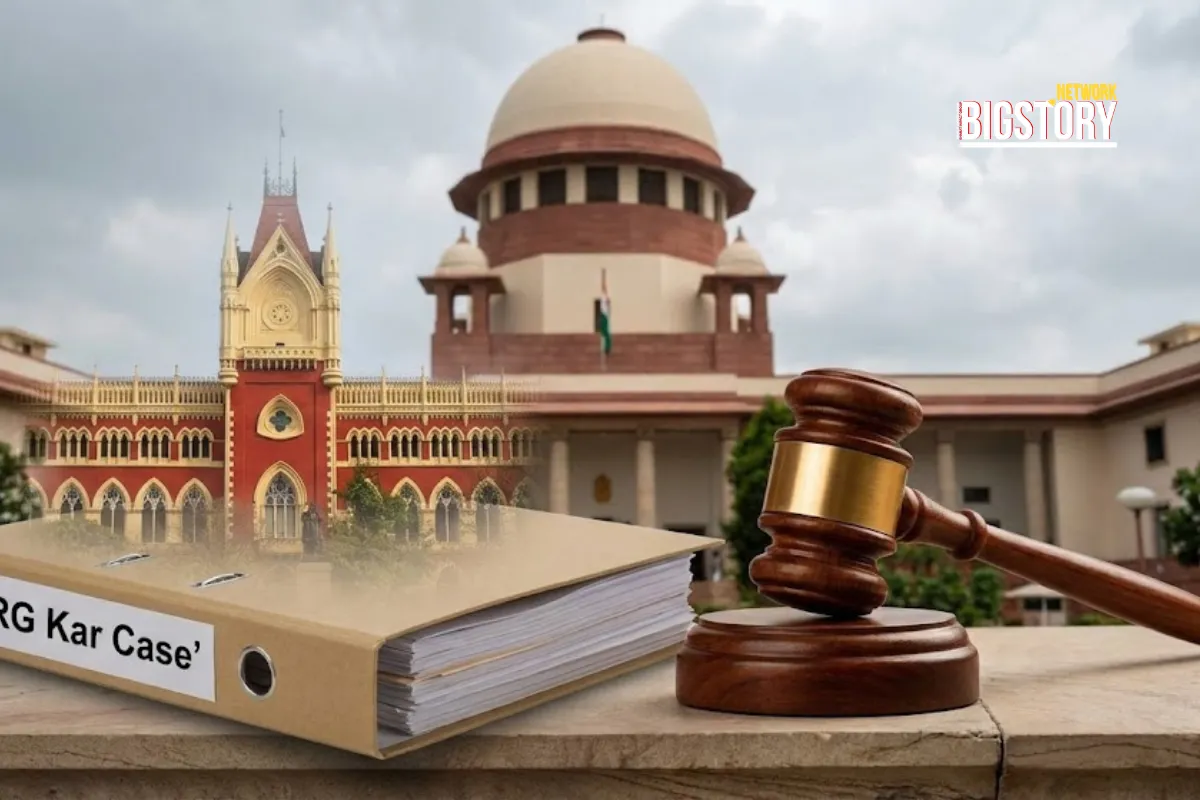
In a significant judicial recalibration, the Supreme Court has transferred its suo moto proceedings on the RG Kar rape and murder case to the Calcutta High Court. The order, passed on December 16-17, 2025, by a bench of Justices MM Sundresh and Satish Chandra Sharma, marks a retreat from centralized oversight. The court reasoned that it cannot practicably monitor ground-level developments, police protection for protesting doctors, or local institutional compliance from New Delhi. This decision shifts the epicenter of the legal battle back to Kolkata, where the High Court will now oversee the contentious death penalty appeal and the victim family's plea for a wider probe.
The tragedy began on August 9, 2024, with the rape and murder of a 31-year-old trainee doctor, sparking nationwide outrage and a 78-day strike by junior doctors. The Supreme Court stepped in on August 18, forming a National Task Force (NTF) to reform doctor safety. However, 16 months later, the results are mixed: while 24 states have enacted safety laws, implementation audits are missing. Procedurally, the case has seen a conviction—Sanjay Roy was sentenced to life imprisonment in January 2025—but institutional accountability remains elusive. Key figures like former principal Sandip Ghosh secured bail on default due to CBI delays, leaving the "cover-up" angle largely unresolved.
While headlines focus on the "transfer," the deeper story is the "Justice Deficit." The RG Kar case was supposed to be India's "George Floyd moment" for medical safety—a catalyst for systemic change. Instead, it has become a case study in institutional inertia. The CBI missed a crucial chargesheet deadline, allowing suspects to get bail. The National Task Force's recommendations exist on paper but lack enforcement teeth. The transfer to the High Court may be pragmatically necessary, but symbolically, it feels like the system is "managing" the case rather than solving the rot that enabled it. The "cover-up" investigation is now the only thread left that could pull down the veil of administrative complicity.
The Calcutta High Court now bears the burden of deciding two critical issues: the death penalty for Sanjay Roy (appealed by the CBI) and the scope of the new investigation into the hospital administration. Politically, this keeps the issue alive in West Bengal ahead of the 2026 elections, as the BJP and TMC continue to trade charges over the state's handling of the probe. For the medical community, the fracturing of the junior doctors' movement suggests that without sustained pressure, the promise of "safe hospitals" may remain unfulfilled.
If the Supreme Court couldn't force a system cleanup in 16 months, can a High Court do it in the middle of an election cycle?
Why did the Supreme Court transfer the RG Kar case to the Calcutta High Court? The Supreme Court bench transferred the case because it deemed it impractical to monitor ongoing ground-level protests, police arrangements, and daily judicial developments in Kolkata from New Delhi. It stated the Calcutta High Court is better positioned to handle local compliance and enforcement.
Will Sanjay Roy receive the death penalty? Sanjay Roy was sentenced to life imprisonment by the trial court in January 2025. However, the CBI has appealed this sentence in the Calcutta High Court, seeking the death penalty. The High Court has admitted the appeal, and the final decision is pending.
What are the victim's parents demanding? The victim's parents have rejected the ₹17 lakh state compensation. Represented by Karuna Nundy, they are pursuing a writ petition in the High Court for a deeper investigation into the alleged institutional cover-up involving former principal Sandip Ghosh and police officials.
Did the RG Kar case lead to safety reforms for doctors? The Supreme Court-appointed National Task Force submitted recommendations, and 24 states have enacted laws to protect healthcare workers. However, implementation remains inconsistent, with no systematic audit confirming that hospitals have adopted the mandated security protocols like biometric access and 24/7 helplines.
News Coverage
Research & Analysis
 Exclusive Content


Sign up for the Daily newsletter to get your biggest stories, handpicked for you each day.



 Trending Now! in last 24hrs


