
Indore Mayor confirms 10 deaths in water contamination crisis, contradicting official toll. 76-day delay in action exposed. Read the full investigation.
 Brajesh Mishra
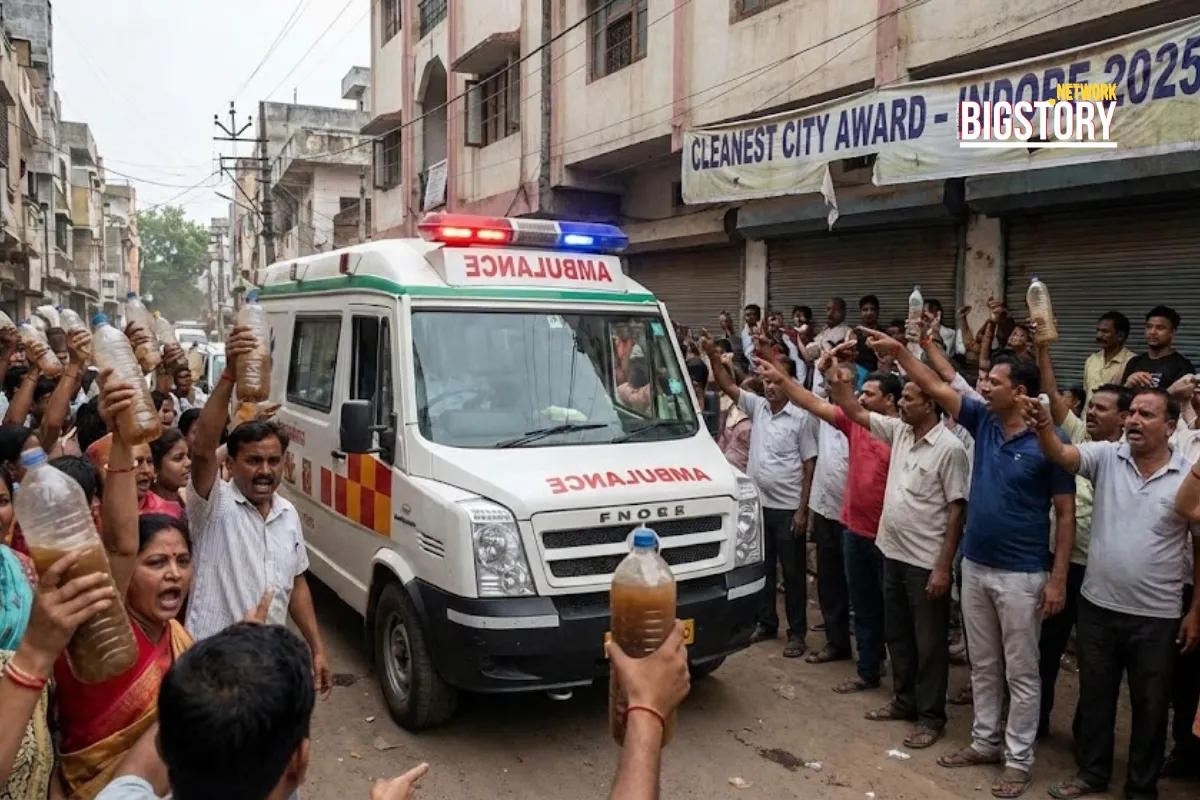
The gleaming facade of India's "cleanest city" has cracked. On January 1, 2026, Indore Mayor Pushyamitra Bhargava made a startling admission: he has received information of 10 deaths linked to the water contamination in Bhagirathpura, directly contradicting the Health Department's official figure of four. This disclosure comes as the city grapples with a massive diarrhea outbreak that has hospitalized over 200 residents and left thousands panicked. The tragedy, caused by a sewage leak into the Narmada drinking water pipeline, has exposed a fatal gap between surface cleanliness and infrastructure safety in the city that has held the Swachh Survekshan crown for eight consecutive years.
The disaster was foretold months ago. Complaints about foul-smelling water began as early as October 15, 2025, yet municipal authorities failed to act for 76 days. It wasn't until late December, when residents started dying, that the administration acknowledged a toilet had been illegally built over the main water pipeline, leaking sewage into the supply. The delay turned a maintenance issue into a mass casualty event. The political fallout intensified on December 31, when Urban Administration Minister Kailash Vijayvargiya dismissively told a reporter, "Don't ask useless questions," sparking national outrage before he was forced to apologize.
While mainstream coverage focuses on the "tragedy," the deeper story is the "Cleanliness Paradox." Indore’s awards celebrate visible hygiene—swept streets and garbage collection. They do not measure the invisible integrity of underground pipelines. This crisis proves that a city can be aesthetically pristine while its infrastructure is rotting from the inside. The Swachh Survekshan rankings, which gave Indore a 100% score on "clean water bodies," completely missed the poison in the pipes.
Furthermore, the "76-Day Silence" is the smoking gun. This wasn't a sudden accident; it was a slow-motion disaster fueled by bureaucratic inertia. The existence of a tender for a new pipeline in August 2024—which was never executed—shows that officials knew the risk but failed to prioritize it until bodies began to pile up.
The National Human Rights Commission (NHRC) has issued a suo motu notice to the Madhya Pradesh government, elevating this from a municipal issue to a human rights violation. This scrutiny could force a nationwide audit of the Swachh Bharat criteria, shifting focus from "cosmetic cleanliness" to "public health safety." For the BJP in Madhya Pradesh, the "Indore Model" of development—once its proudest achievement—is now its biggest liability.
If the "cleanest city in India" can ignore water safety complaints for 76 days, what chance do residents in the rest of the country have?
How many people have died in the Indore water crisis? The death toll is disputed. As of January 2, 2026, the Health Department confirms 4 deaths, but Indore Mayor Pushyamitra Bhargava stated he has information on 10 deaths. Residents claim the number is as high as 14.
Why did contaminated water get into Indore's drinking supply? Investigations revealed that a toilet was constructed directly over the main Narmada water pipeline in Bhagirathpura. Without a proper safety tank, sewage from the toilet leaked into the drinking water supply through a breach in the pipeline.
Did authorities ignore warnings about dirty water in Indore? Yes. Residents filed their first complaint about foul-smelling water on October 15, 2025, to the Mayor's helpline. Despite repeated complaints in November and December, no concrete action was taken for 76 days, until deaths were reported in late December.
News Coverage
 Exclusive Content


Sign up for the Daily newsletter to get your biggest stories, handpicked for you each day.

 Trending Now! in last 24hrs


