
Denmark warns Trump: Greenland is not for sale. Inside the diplomatic crisis over US annexation threats and wind farm coercion.
 Brajesh Mishra
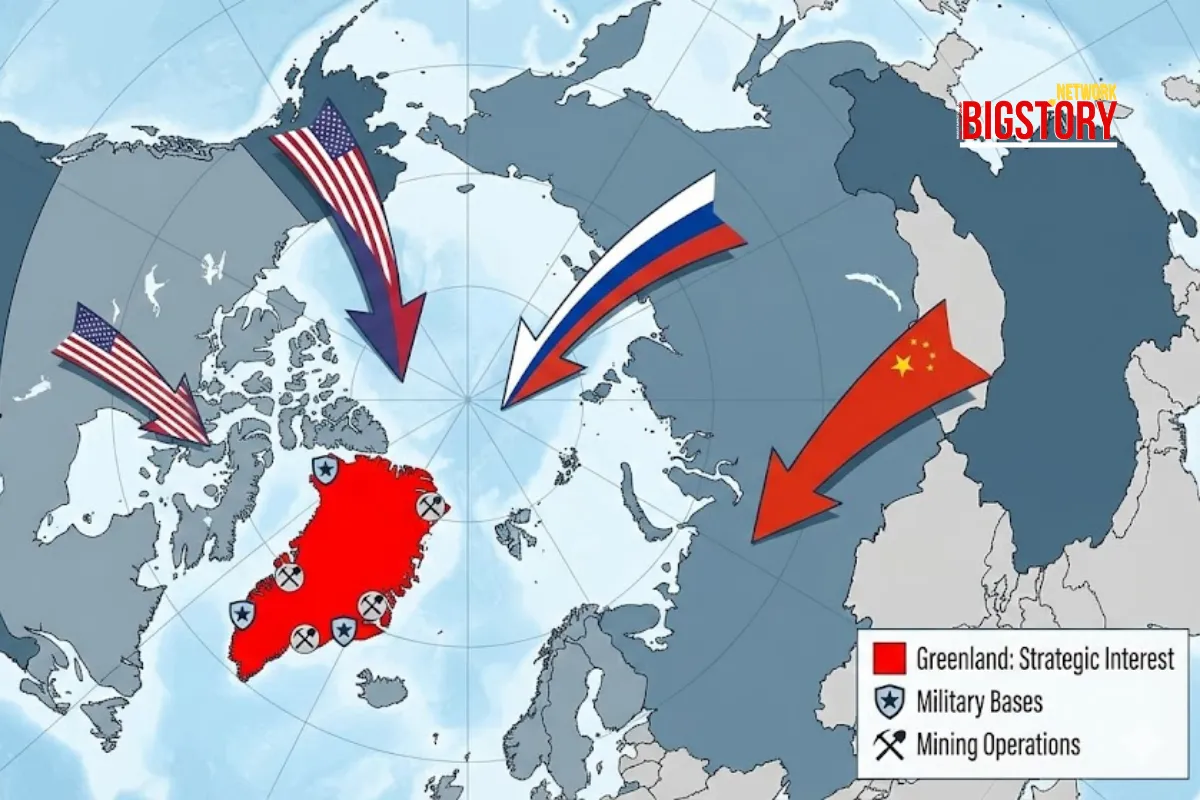
The Arctic chill just got colder. On January 4, 2026, Danish Prime Minister Mette Frederiksen issued a blunt warning to Donald Trump: "The U.S. has no right to annex any of the three countries in the Danish Kingdom." This unprecedented rebuke comes after President Trump, fresh off a military strike on Venezuela, reiterated his intention to acquire Greenland for "national defense." The diplomatic crisis escalated sharply in December when Trump appointed Louisiana Governor Jeff Landry as a special envoy with a specific mandate: to make the world’s largest island the 51st American state.
Trump’s fixation on Greenland isn't new, but his methods have evolved from real estate curiosity to geopolitical hardball. After floating the purchase idea in 2019, his second term has seen a coordinated pressure campaign. In March 2025, he told Congress, "We’re going to get it one way or the other." By December, his administration had suspended permits for Danish wind giant Orsted’s U.S. projects—a move widely interpreted as economic blackmail. Now, with the capture of Nicolás Maduro in Caracas, Greenland’s leaders fear that "acquisition" might not mean a purchase, but a seizure.
While mainstream media reports the "Diplomatic Spat," the deeper story is the "Wind Farm Coercion." The suspension of Orsted’s wind projects in the U.S. isn't a regulatory coincidence; it is economic warfare against a NATO ally. By targeting Denmark’s crown jewel company, the Trump administration is signaling that the price of refusing the Greenland deal will be paid in billions of euros. This is a transactional foreign policy where alliances are conditional on territorial concessions.
Furthermore, the "Independence Trap" is critical. Greenland has been slowly moving toward independence from Denmark. Trump’s offer of statehood is designed to short-circuit this process, effectively replacing one colonial overlord (Copenhagen) with another (Washington), but with even less autonomy. The U.S. doesn't want a sovereign Greenland; it wants an unsinkable aircraft carrier in the Arctic.
This dispute threatens to fracture the NATO alliance in the Arctic just as Russia and China are expanding their presence there. If the U.S. is seen as a predator rather than a protector, Nordic countries may look to European defense integration over American security guarantees. The "Greenland Question" is no longer a joke; it is the fault line of the new transatlantic order.
If the U.S. is willing to threaten a democratic ally for territory, what is it willing to do to its enemies?
Why does Donald Trump want to buy Greenland? President Trump views Greenland as a strategic asset due to its location in the Arctic (crucial for military defense and shipping routes) and its vast untapped resources of rare earth minerals, which are vital for technology and reducing reliance on China.
Can the US legally annex Greenland? No. Greenland is a self-governing territory within the Kingdom of Denmark. Both the Greenlandic and Danish governments have repeatedly stated it is "not for sale." International law prohibits the forcible acquisition of territory, and any transfer would require the consent of the Greenlandic people and Denmark.
What was Mette Frederiksen's response to Trump's threats in January 2026? Danish Prime Minister Mette Frederiksen strongly warned President Trump to "cease his threats," stating unequivocally that the U.S. has no right to annex any part of the Danish Kingdom. This followed Trump's comments linking Greenland to national defense needs after the Venezuela military strike.
News Coverage
Context & Analysis
 Exclusive Content


Sign up for the Daily newsletter to get your biggest stories, handpicked for you each day.

 Trending Now! in last 24hrs


