
Modi and Trump held a breakthrough call to resolve the 50% tariff standoff. A trade deal covering defense and energy is expected by year-end 2025.
 Sseema Giill
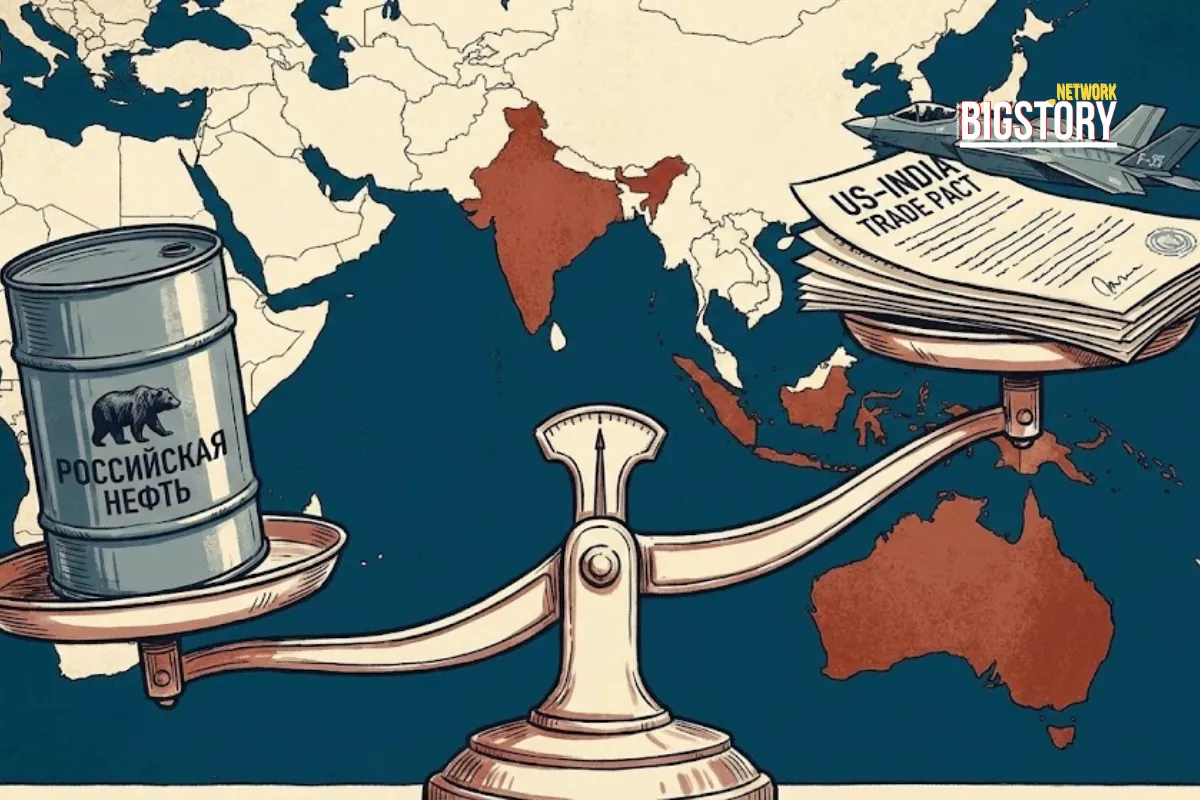
In a critical diplomatic intervention, Indian Prime Minister Narendra Modi held a telephone conversation with US President Donald Trump on December 11, 2025, aimed at resolving the escalating trade war that has seen 50% tariffs slapped on Indian exports. The call, described as "warm and engaging," comes just as a high-level US trade delegation is in New Delhi to finalize a comprehensive bilateral agreement before the end of the year. The leaders discussed progress on technology, defense, and energy, signaling a potential thaw in relations that hit a nadir in August over India’s energy ties with Russia.
The relationship soured in mid-2025 when the Trump administration, citing "reciprocity" and anger over India's Russian oil purchases, imposed a crippling 50% tariff regime. This included a 25% base tax and a 25% "penalty," a move Trump defended as necessary to stop India from being a "laundromat" for Kremlin oil. Despite the economic pressure, India has refused to sever ties with Moscow or compromise its agricultural sector, leading to a tense standoff. The current push for a deal is driven by mutual necessity: the US wants market access for its dairy and farm surplus, while India seeks relief for its export-dependent industries in Gujarat and Maharashtra.
While headlines focus on "trade," the deeper story is the "Gaza Quid Pro Quo." Buried in the diplomatic readouts is the fact that Modi and Trump also discussed a "peace plan" for Gaza. This suggests the trade deal isn't just about tariffs; it's a grand bargain. Trump may be trading economic relief (lowering the 50% tariff) for India's geopolitical endorsement of his controversial Middle East policy. By linking trade to global security architecture, both leaders are moving beyond the traditional "milk for mangoes" negotiation into a strategic alignment where India pays for tariff cuts with diplomatic capital, not just cash.
If signed, this deal would likely include the 10-Year Defense Framework, potentially unlocking F-35 fighter jet sales to India—a massive strategic shift. However, for Indian farmers, the risk remains high; any concession on dairy imports to please the US farm lobby could spark domestic unrest. Economically, the removal of the 50% tariff would be a lifeline for India's textile and gem sectors, which have been bleeding market share to Vietnam and Bangladesh under the current regime.
If free trade now requires buying F-35s and endorsing peace plans, is it still "trade," or is it a subscription fee for being an ally?
Did Modi and Trump sign a trade deal in December 2025? Not yet. They held a "warm" telephone conversation on December 11, 2025, to review progress and push for a conclusion, while a US delegation is currently in New Delhi finalizing the terms. A deal is expected by year-end.
Why did Trump impose a 50% tariff on India? Trump imposed the tariffs in August 2025 as a retaliatory measure. It included a 25% "reciprocal tax" matching India's own tariffs and an additional 25% penalty for India's continued purchase of Russian oil during the Ukraine conflict.
Will India stop buying Russian oil for the US trade deal? Negotiations are ongoing, but India has maintained a "defiant" stance, refusing to compromise on its energy security. Instead, India has committed to purchasing more US energy (oil and LNG) to balance the trade deficit without explicitly cutting off Russia.
What is the 'US-India COMPACT'? The "COMPACT" (Comprehensive Military, Partnership, and Commerce Technology) is a framework agreed upon in February 2025. It outlines cooperation in defense (F-35s), critical technologies (AI, chips), and trade, forming the backbone of the current negotiations.
News Coverage
Research & Analysis
 Exclusive Content


Sign up for the Daily newsletter to get your biggest stories, handpicked for you each day.

 Trending Now! in last 24hrs


