
Trump warns India: Cut Russian oil or face higher tariffs. "It was important to make me happy," he tells Modi. Inside the January 2026 trade crisis.
 Sseema Giill
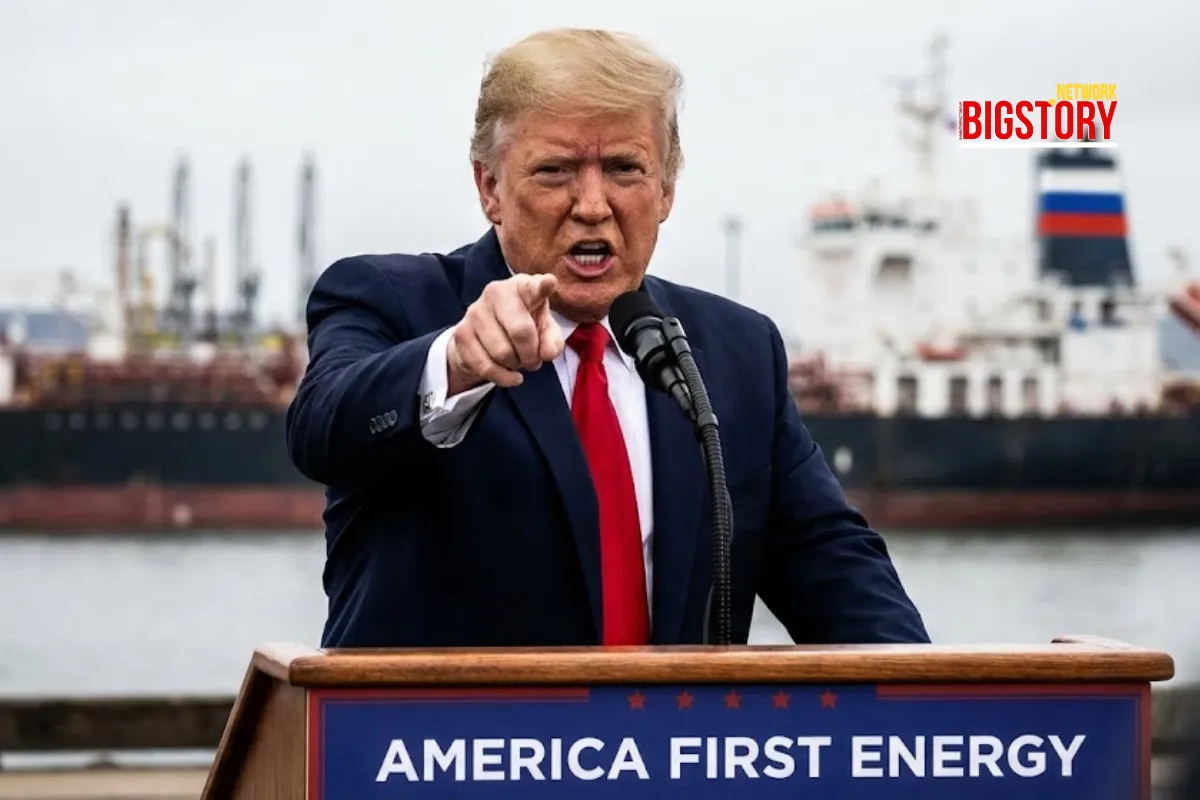
Diplomacy usually speaks in codes; Donald Trump speaks in leverage. On January 4, 2026, the US President threw a grenade into the fragile final stages of India-US trade negotiations. Speaking to reporters, Trump declared that Prime Minister Narendra Modi "knew I was not happy" with India’s continued purchase of Russian oil, adding ominously, "it was important to make me happy." The threat was explicit: if New Delhi does not slash its energy ties with Moscow, Washington is prepared to raise the already punitive 50% tariffs on Indian goods "very quickly." This statement shatters the illusion that the upcoming trade deal is merely about commerce; it is now a geopolitical ultimatum.
The trajectory of US-India relations over the last year has been a whiplash of optimism and punishment. In February 2025, Modi and Trump launched "Mission 500," an ambitious roadmap to hit $500 billion in bilateral trade by 2030. But by August 1, 2025, the mood soured. Citing India’s funding of the Ukraine war through oil purchases, Trump imposed a combined 50% tariff regime (25% base + 25% penalty).
Despite this, negotiators like Commerce Minister Piyush Goyal and US Trade Rep officials spent December 2025 hammering out a framework to slash these tariffs back to 15%. Just as the ink was drying, Trump’s January 4 intervention—bolstered by Senator Lindsey Graham’s radical proposal for a 500% tariff on Russian oil buyers—has reset the board.
While mainstream media focuses on the "Trade War" narrative, the deeper story is the "Personalization of Geopolitics." Trump’s rhetoric reveals that for his administration, strategic autonomy is an annoyance, not a right. The demand isn't just about Ukraine or oil markets; it is a test of fealty. India is being asked to dismantle a decades-old energy relationship with Russia not because it serves India's interest, but to satisfy the US President’s specific grievance.
Furthermore, this represents "Energy Coercion" disguised as Trade Policy. India has already begun reducing Russian imports since September 2025 under tariff pressure. Trump’s renewed threat suggests that reduction isn't enough; he wants capitulation. This forces India into a corner: if it switches to expensive US LNG and oil to "make Trump happy," it drives up its own trade deficit and domestic energy costs—effectively paying a "protection tax" to keep American markets open.
If India bows to this pressure, it sets a precedent that US tariffs can dictate the sovereign energy choices of the Global South. If India refuses, and Trump executes the tariff hike, the "Mission 500" goal is dead, and the US-India strategic partnership against China could become collateral damage. For the global market, this signals that in 2026, "free trade" is conditional on total geopolitical alignment with Washington.
If foreign policy is now measured by one man's happiness, can any nation truly be a "strategic partner," or are they just a client state in waiting?
Why did Trump say "it was important to make me happy" regarding India? On January 4, 2026, President Trump used this phrase to explicitly link the success of US-India trade negotiations to his personal satisfaction with India's foreign policy—specifically, the demand that India stop purchasing Russian oil. It highlights his transactional approach to diplomacy.
What is the current tariff rate on Indian goods in the US as of January 2026? Currently, Indian goods face a 50% tariff regime. This is composed of a 25% base tariff plus an additional 25% penalty duty imposed in August 2025 due to India's continued purchase of Russian energy.
Will India stop buying Russian oil to satisfy the US? India has already begun reducing Russian oil imports as of September 2025 due to tariff pressures. However, a complete halt is unlikely due to India's domestic energy needs and inflation concerns, creating a standoff with the Trump administration.
News Coverage
Context & Analysis
 Exclusive Content


Sign up for the Daily newsletter to get your biggest stories, handpicked for you each day.

 Trending Now! in last 24hrs


