
Kanpur Police arrest tobacco tycoon's son Shivam Mishra in the Lamborghini crash case after digital evidence debunked a failed "driver swap" attempt and a "medical seizure" defense.
 Brajesh Mishra
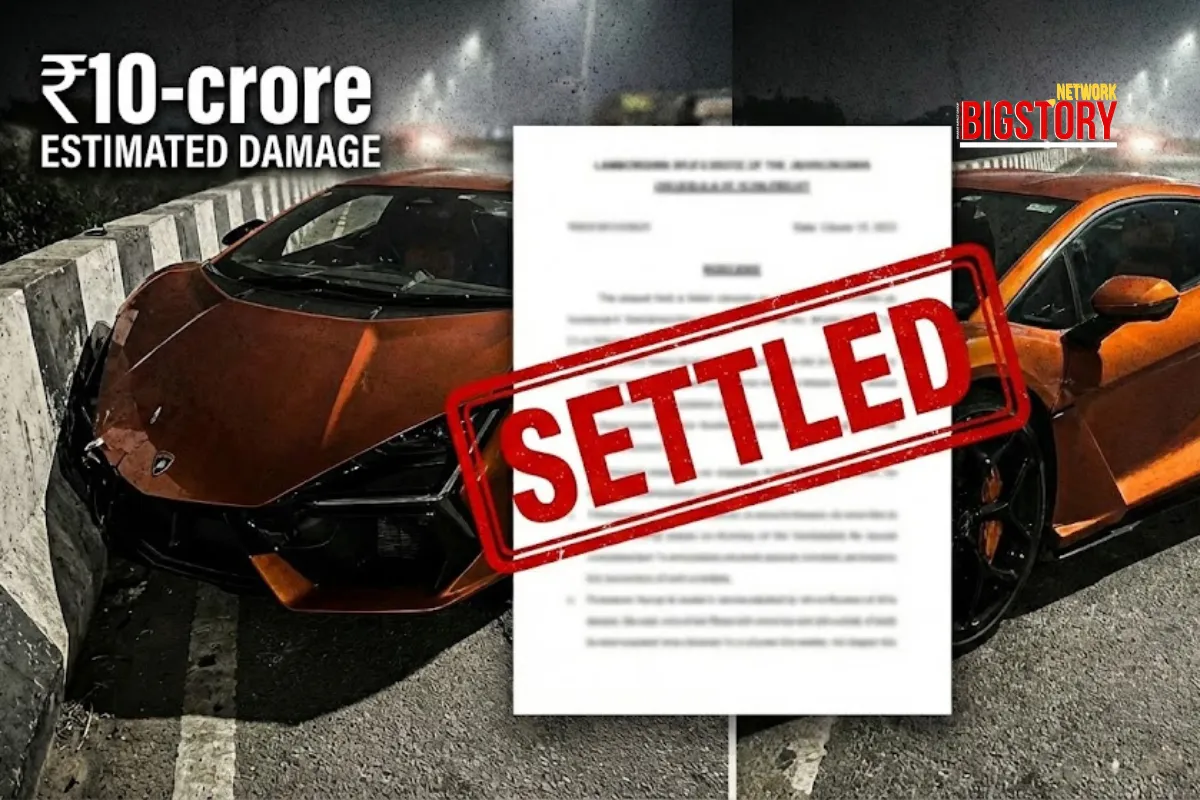
The "VVIP" protection shield in Kanpur was officially pierced today. Four days after a speeding Lamborghini Revuelto caused chaos on VIP Road, police arrested the man they say was actually in the driver's seat: 35-year-old Shivam Mishra. The arrest follows a dramatic 48-hour legal battle where the Mishra family attempted to field a "ghost driver" named Mohan to take the fall.
This matters because the investigation is now a landmark test of digital evidence vs. financial influence; while the defense claims a "mutual settlement" has been reached with the victims, the State is moving forward with criminal charges based on CCTV footage that clearly shows security bouncers pulling Shivam directly from the driver’s seat.
While the media focuses on the "Rich Brat" narrative, the real BIGSTORY is the Failure of the Compromise Strategy. Shivam’s legal team revealed that the complainant, an e-rickshaw driver, had already received "full compensation" and signed a settlement deed refusing further action.
The reframe is this: Under the new Bharatiya Nyaya Sanhita (BNS), certain offenses are becoming a battleground between private settlements and public justice. By arresting Mishra after the settlement was announced, the Kanpur Police are signaling that "paying off" a victim does not grant a free pass for endangering public life. The case isn't just about a car crash; it's about whether the law can be "bought" in the age of viral CCTV.
The defense's strongest argument remains the Involuntary Act defense. If Shivam Mishra truly has a documented history of epilepsy (as claimed by his Delhi-based doctors), the crash could be legally argued as a "medical accident" rather than criminal negligence. If he lost consciousness before the impact, the mens rea (criminal intent) for reckless driving becomes much harder to prove in a court of law.
Does the 4-day delay in arrest suggest that the system still gives "VVIPs" a head start to clean up the evidence, or is this a win for digital-age policing? Share your take in the comments.
Sources: ANI, India Today, Republic World
 Exclusive Content


Sign up for the Daily newsletter to get your biggest stories, handpicked for you each day.


 Trending Now! in last 24hrs


