
A 25-year-old woman was gang-raped in a moving van on the Gurugram-Faridabad road and thrown out. 2 arrested. Exposes NCR's night transport safety gaps.
 Brajesh Mishra
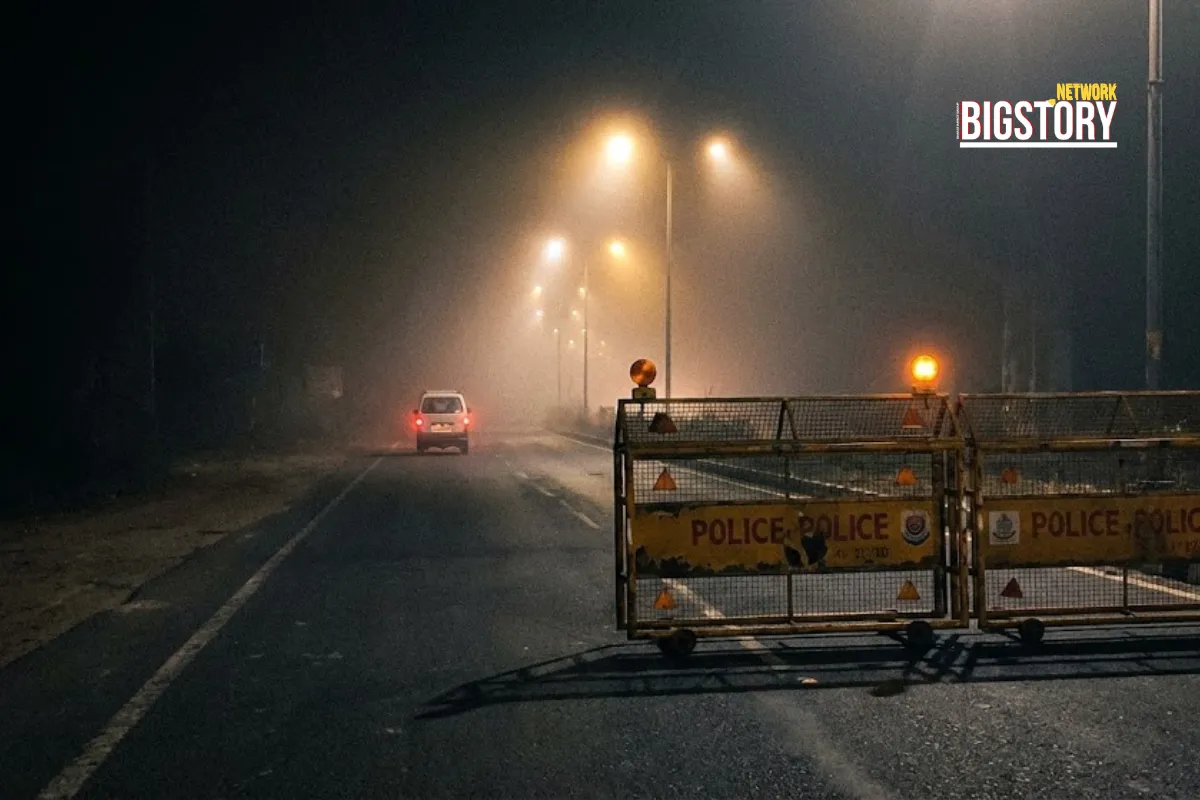
A night of terror on the Gurugram-Faridabad highway has once again exposed the fragile state of women's safety in the National Capital Region (NCR). In the early hours of December 30, a 25-year-old woman was allegedly abducted, held captive for nearly three hours, and gang-raped inside a moving Maruti Eeco van before being thrown out onto the concrete near Raja Chowk. The survivor, now battling a broken eye socket and multiple fractures in an ICU, was targeted while waiting for public transport that never came. Faridabad Police have arrested two men, but the incident has reignited fury over the systemic failures that leave women vulnerable on isolated corridors.
The sequence of events reveals a deadly confluence of personal vulnerability and infrastructural neglect. Around midnight on December 29-30, the survivor—a mother of three staying with her parents due to marital discord—left a friend's house after a domestic argument. Stranded at Metro Chowk with scarce public transport, she accepted a lift from two men in a white van. Instead of taking her home, they drove her onto the desolate, fog-covered Gurugram-Faridabad road. For three hours, the van became a mobile torture chamber, shielded by dense fog and lack of police patrols. At 3 AM, driving at nearly 90 kmph, the accused shoved her out of the vehicle, leaving her bleeding on the roadside.
While mainstream coverage focuses on the brutality ("broken bones," "moving van horror"), the deeper story is the "Transport Desert." The Gurugram-Faridabad road is a critical artery, yet at night, it becomes a ghost road for those without private cars. This isn't just a crime story; it's an urban planning failure. The lack of verified last-mile connectivity forces women into high-risk decisions.
Furthermore, the "Interstate Crime Corridor" angle is critical. The accused were from different states, operating a vehicle across jurisdiction lines (Haryana-Delhi-UP borders). This fragmented geography allows predators to exploit the seams between police districts, knowing that coordination is often slow.
This incident shatters the complacency post-Nirbhaya. It proves that despite "Safe City" projects and CCTV installations, the fundamental reality for a woman alone on an NCR road at night hasn't changed. The focus must shift from reactive arrests to proactive "mobility justice"—ensuring that leaving home at midnight doesn't carry a death sentence.
The Closing Question (Now, Think About This)
If a woman cannot find a safe ride home at midnight in one of India's most developed regions, are our "Smart Cities" actually smart, or just selectively safe?
What happened in the Faridabad gang rape case? On the night of December 29-30, 2025, a 25-year-old woman waiting for transport was offered a lift by two men in a Maruti Eeco van. Instead of dropping her, they drove her to the isolated Gurugram-Faridabad road, gang-raped her for nearly three hours inside the moving vehicle, and then threw her out near Raja Chowk.
What is the condition of the Faridabad gang-rape survivor now? The survivor is currently in the ICU of a private hospital. She has suffered severe injuries, including a broken eye socket, deep facial cuts requiring over 12 stitches, and multiple fractures from being thrown out of the moving vehicle. Police state she is out of immediate danger but in serious condition.
Have the accused been arrested in the Faridabad moving van rape case? Yes. The Faridabad Police Crime Branch has arrested two men, aged between 25 and 30, hailing from Uttar Pradesh and Madhya Pradesh. The white Maruti Eeco van used in the crime has also been seized, and forensic evidence has been collected.
News Coverage
Context & Visuals
 Exclusive Content


Sign up for the Daily newsletter to get your biggest stories, handpicked for you each day.



 Trending Now! in last 24hrs


