
US Rep. Kamlager-Dove warns Trump risks being "the president who lost India" after imposing 50% tariffs and downgrading ties in the 2025 Security Strategy.
 Sseema Giill
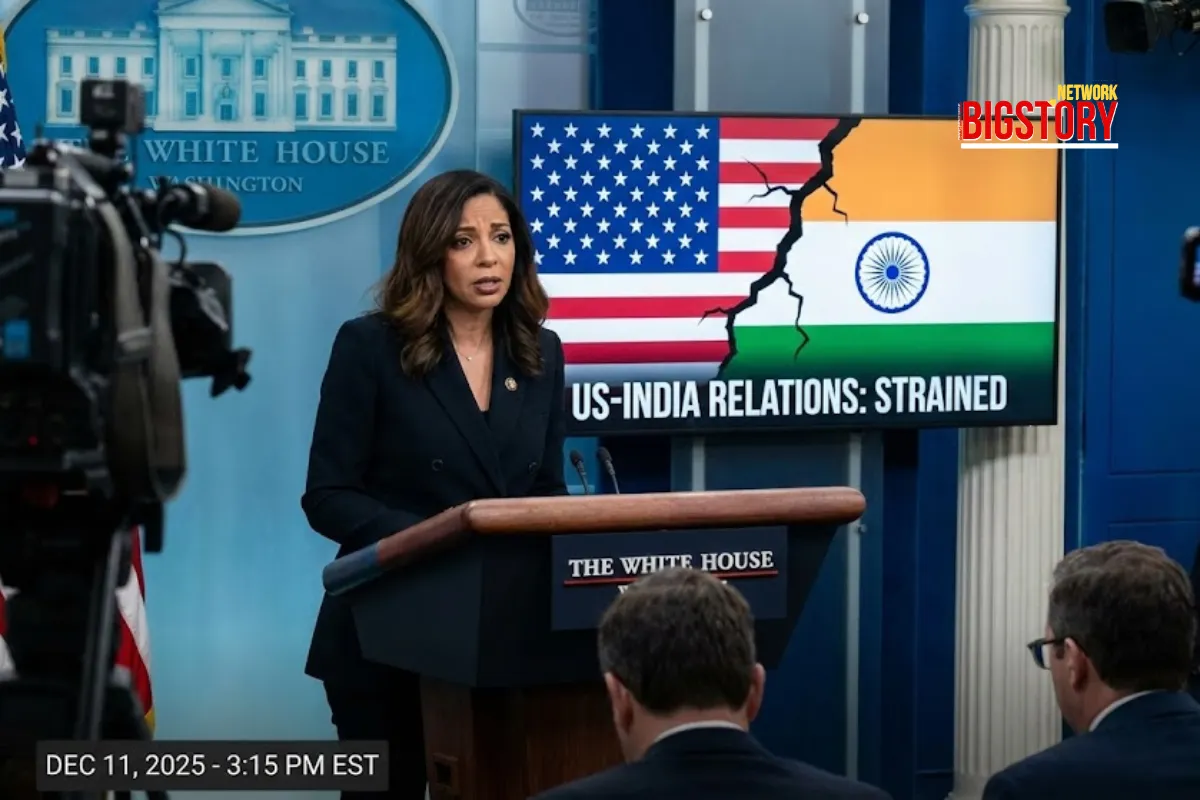
In a scathing rebuke on Capitol Hill, US Representative Sydney Kamlager-Dove warned today that President Donald Trump is dangerously close to becoming "the president who lost India." The warning comes as the administration released its 2025 National Security Strategy (NSS), which effectively downgrades India from a "Major Defense Partner" to a transactional trade entity. The diplomatic rift, deepened by Trump's cancellation of the Quad Summit and the imposition of a 50% tariff on Indian goods, marks the lowest point in US-India relations in two decades.
The slide began in April 2025 following a terror attack in Pahalgam, Kashmir, that killed 25 Indians. Trump's response—describing the tragedy as merely "a bad one" and refusing to condemn Pakistan—revived the painful "hyphenation" policy that New Delhi despises. Tensions escalated in May when Trump publicly complained about being denied a Nobel Peace Prize for a mediation effort that India insists never happened. By August, citing India's purchase of Russian oil, the US imposed a 25% base tariff plus a 25% penalty, a move experts warn could slash India's GDP growth by 0.5%.
While headlines focus on "tariffs," the deeper story is the "Ego Trap." The fracture isn't just about economics; it's personal. Trump's obsession with the Nobel Peace Prize—and his public grievance that Modi denied him credit for a non-existent peace deal—has personalized a strategic relationship. This suggests that US foreign policy is currently being driven not by national interest, but by the President's quest for validation. The NSS document's pivot to Gulf states for AI partnerships is the final insult, signaling that the US is willing to bypass India in the tech war against China to soothe a bruised ego.
If this freeze continues, the beneficiaries will be in Beijing and Moscow. A alienated India is already doubling down on its Russian energy ties and may reconsider its Quad commitments. For US businesses, the loss of preferential access to a $3.5 trillion market is catastrophic. Strategically, the "loss of India" would leave a gaping hole in the Indo-Pacific containment ring, potentially forcing Japan and Australia to rethink their own security reliance on a volatile Washington.
If you tax your strongest ally like an enemy and treat their enemies like partners, do you still have an ally, or just a customer looking for a new shop?
Why did Trump impose a 50% tariff on India in 2025? Trump cited "reciprocity" for India's own tariffs on US goods and added a penalty for India's continued purchase of Russian oil, which he claimed funds the war in Ukraine. The total levy amounts to a 25% base tariff plus a 25% surcharge.
Did Trump win a Nobel Peace Prize for India-Pakistan mediation? No. In May 2025, Trump claimed he brokered a ceasefire and deserved the prize. However, the Indian government publicly refuted this, stating no such US mediation occurred, which reportedly angered Trump.
What did the 2025 National Security Strategy say about India? The 2025 NSS removed the designation of India as a "Major Defense Partner," a status held since 2016. It instead described India as a transactional trade partner, signaling a significant strategic downgrade.
Why did Trump cancel his 2025 visit to India? Trump cancelled his scheduled August visit for the Quad Summit due to stalled trade negotiations and his displeasure over India's refusal to halt Russian oil imports, marking a diplomatic freeze.
News Coverage
Research & Analysis
 Exclusive Content


Sign up for the Daily newsletter to get your biggest stories, handpicked for you each day.

 Trending Now! in last 24hrs


