
NHAI scraps mandatory "Know Your Vehicle" (KYV) photo verification for new FASTags starting Feb 1, 2026. VAHAN database to replace manual checks.
 Brajesh Mishra
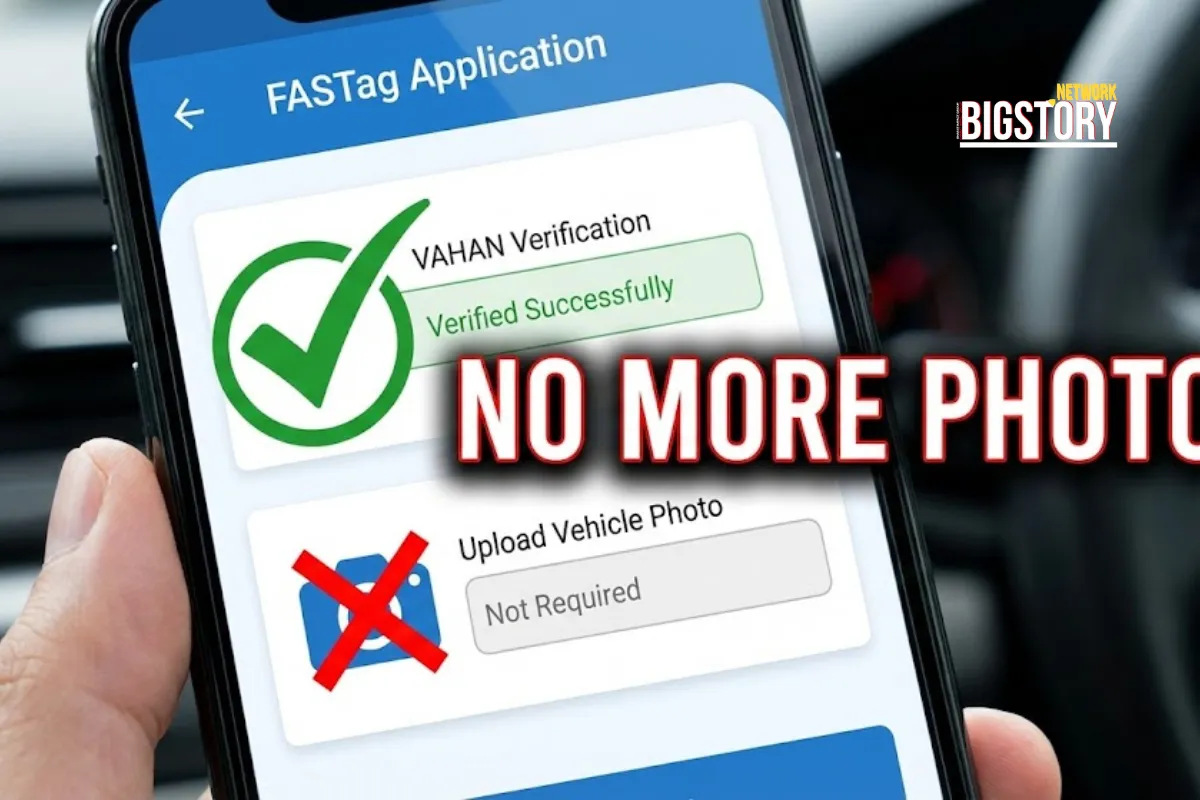
The bureaucratic hurdle of uploading photos of your car's front and side just to drive on a highway is officially over. On January 1, 2026, the National Highways Authority of India (NHAI) announced that the mandatory "Know Your Vehicle" (KYV) process for new FASTag issuances will be discontinued for cars, vans, and jeeps (Class-4 vehicles) starting February 1, 2026. This policy reversal comes after months of public outcry over privacy concerns, technical glitches, and delays in tag activation. However, the move is not just a simplification; it’s a strategic pivot to rely entirely on the backend integration with the VAHAN database, shifting the verification burden from the user to the system.
The KYV mandate was introduced in late 2025 as a fraud-prevention measure. The goal was to ensure that the FASTag issued matched the vehicle class (e.g., preventing a car tag from being used on a truck to pay lower tolls). Users were required to upload geo-tagged photos of their vehicle's front and side during the application process. While well-intentioned, the execution was flawed. Users reported widespread rejections due to "poor image quality," privacy fears about uploading geo-tagged data, and significant delays in tag activation. The friction became so intense that it threatened to slow down the adoption of new FASTags, prompting the NHAI to reconsider the utility of the process versus the user agony it caused.
While mainstream media focuses on the "Relief for Car Owners," the deeper story is the "Data Integration Maturity." The scrapping of KYV signals that India's digital public infrastructure has reached a tipping point. The NHAI is effectively saying that the VAHAN database—which holds digitization records of over 350 million vehicles—is now reliable enough to serve as the single source of truth. This move validates the government's massive push for centralized vehicle data, moving away from manual/user-submitted verification to automated, API-driven trust.
However, the "Fraud Risk Loophole" remains a valid concern. Without visual verification (KYV), what stops a user from buying a FASTag for a "Car" (Class 4) and affixing it to a "Light Commercial Vehicle" (Class 5) to save on tolls? The reliance on VAHAN assumes that the vehicle class in the database matches the physical reality. If a commercial vehicle is wrongly registered as a private car in VAHAN, the FASTag system will now blindly accept it, potentially leaking revenue.
This policy shift sets a precedent for other digital services. If NHAI can trust backend databases over user-submitted proofs for financial transactions (toll payments), other sectors like insurance and parking may follow suit. It reduces the "compliance tax" on citizens but raises the stakes for data hygiene in government registries. For the user, the immediate impact is time saved; for the system, the impact is a test of its own data integrity.
We trust the database to know what car we drive. But do we trust the database to be right?
What is the new rule for FASTag issuance starting February 1, 2026? Starting February 1, 2026, the National Highways Authority of India (NHAI) has discontinued the mandatory "Know Your Vehicle" (KYV) process for new FASTag issuances for cars, jeeps, and vans (Class-4 vehicles). Users will no longer need to upload photos of their vehicle during the application process.
Why did NHAI scrap the KYV requirement for FASTags? The KYV process was causing significant inconvenience to users, including application rejections due to photo quality and delays in activation. The NHAI decided to scrap it to simplify the issuance process and rely instead on backend verification through the centralized VAHAN database.
How will verification work without KYV photos? Instead of visual verification via user-uploaded photos, banks and issuers will now verify vehicle details (Chassis Number, Engine Number, Owner Name) directly by querying the VAHAN database using APIs at the time of FASTag issuance.
News Coverage
Context & Guidelines
 Exclusive Content


Sign up for the Daily newsletter to get your biggest stories, handpicked for you each day.



 Trending Now! in last 24hrs


