A reversing BEST electric bus crushed 4 people to death at Mumbai's Bhandup station. Driver arrested for "accidental acceleration." Watch the analysis.
 Brajesh Mishra
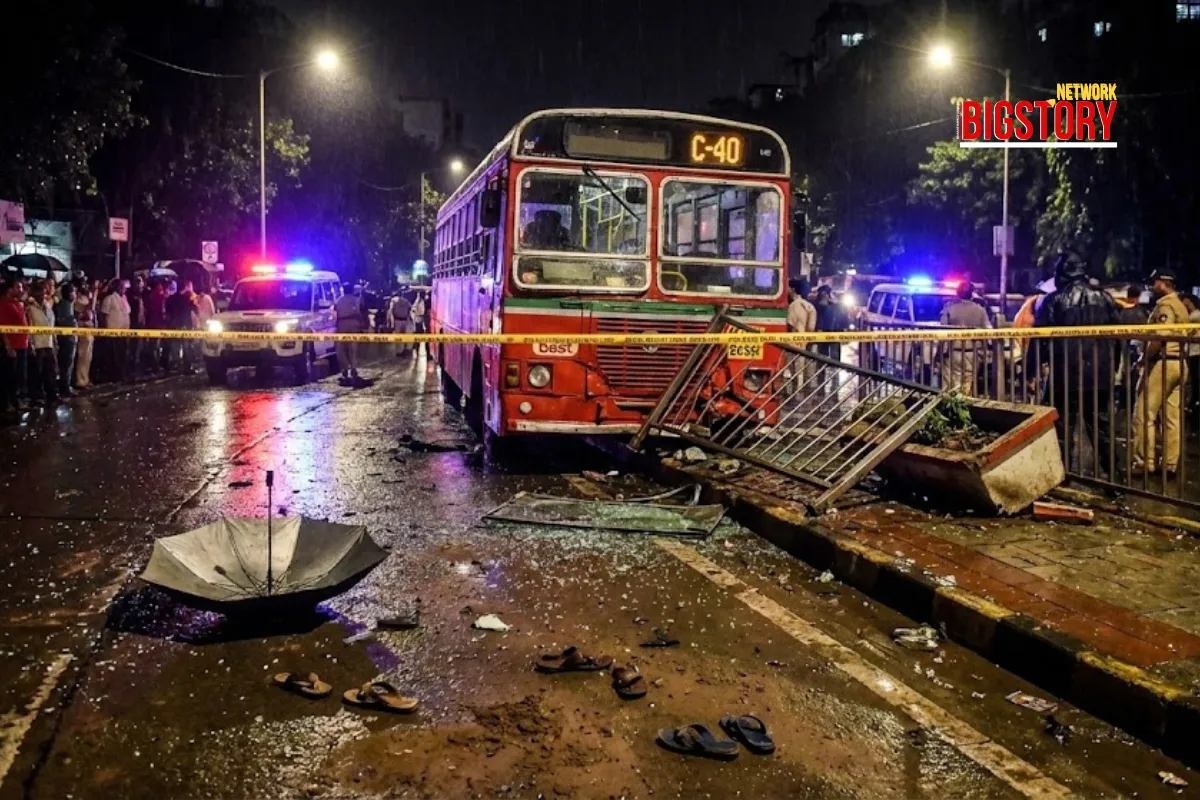
A routine evening commute turned into a horror show in Mumbai's suburbs on December 29. At 10:05 PM, a red BEST (Brihanmumbai Electric Supply and Transport) bus attempting to reverse near Bhandup railway station suddenly surged backward, crushing a queue of waiting passengers. The incident, captured on CCTV, resulted in the deaths of four people and injuries to nine others. The driver, Santosh Ramesh Sawant, has been arrested and allegedly claimed he "accidentally pressed the accelerator instead of the brake"—a fatal error that experts suggest highlights a growing safety blind spot with the city's new electric fleet.
The tragedy unfolded at the Bhandup (West) bus terminus, a congested transit point where commuters spill onto the road due to narrow footpaths. The bus (Route 606) was maneuvering to park or turn around. Unlike traditional diesel buses that rev up slowly, electric buses (EVs) possess "instant torque," delivering immediate power to the wheels the moment the pedal is touched. Witnesses described the bus shooting backward with terrifying speed, mounting the footpath and mowing down pedestrians before anyone could react. This is not the first time; a similar incident occurred in Kurla in December 2024, raising questions about whether older drivers (Sawant is 52) are being adequately retrained for the sensitivity of EV controls.
While the media narrative focuses on "Driver Negligence," the deeper story is the "Infrastructure-Technology Mismatch."
This accident will likely trigger a safety audit of all BEST reversing protocols. Unions may demand better training for senior drivers transitioning to electric buses. More importantly, it exposes the danger of retrofitting new technology (powerful EVs) into old, chaotic infrastructure without upgrading the safety systems (ADAS) or the physical spaces (bus bays) to match.
If we can afford electric buses to save the environment, can we not afford the sensors to save the passengers standing behind them?
What caused the BEST bus accident in Bhandup? Preliminary investigations and the driver's statement suggest human error. The driver, Santosh Sawant, allegedly pressed the accelerator instead of the brake while reversing. Experts also point to the high torque of the electric bus, which caused it to surge backward instantly, leaving victims no time to escape.
How many people died in the Mumbai bus accident today? As confirmed by civic officials on December 30, 2025, four people were killed in the accident at Bhandup station. Nine others were injured and are receiving treatment at Rajawadi and MT Agarwal Hospitals.
Who is the driver of the bus that crushed passengers in Mumbai? The driver is Santosh Ramesh Sawant, a 52-year-old permanent employee of BEST. He has been arrested by the Bhandup Police and charged with causing death by negligence.
News Coverage
Context & Data
 Exclusive Content


Sign up for the Daily newsletter to get your biggest stories, handpicked for you each day.


 Trending Now! in last 24hrs