
CBI summons actor Vijay for questioning on Jan 12 over the Karur rally stampede that killed 41. Analysis of the political fallout and safety failures.
 Brajesh Mishra
The tragedy that claimed 41 lives in Karur last September has now arrived at the doorstep of its biggest star. On January 6, 2026, the Central Bureau of Investigation (CBI) issued a summons to actor-turned-politician Vijay, founder of the Tamilaga Vettri Kazhagam (TVK), to appear for questioning on January 12. This marks a critical escalation in the investigation into the stampede at his rally in Velusamypuram, where a crowd surge crushed dozens to death. With the 2026 Tamil Nadu Assembly elections looming, the summons transforms a public safety disaster into a high-stakes political showdown, testing the viability of Vijay's nascent "third front" against the entrenched DMK and AIADMK.
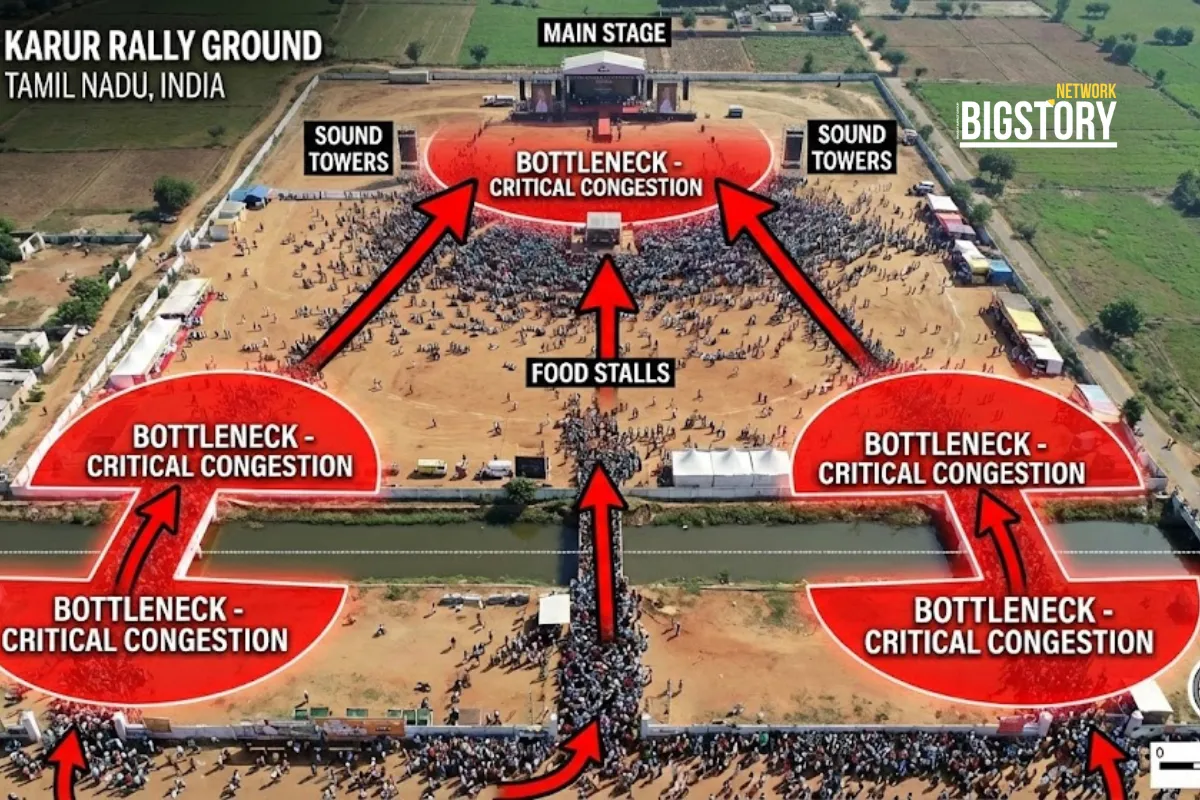
On September 27, 2025, a massive crowd of nearly 30,000 people gathered at a venue sanctioned for 12,000 to see Vijay. The actor, scheduled to arrive at 12:45 PM, did not reach the venue until 7 PM—a seven-hour delay that exhausted the crowd and compromised police shifts. When his bus finally approached, the surge was uncontrollable. The resulting crush killed 41 people, including 25 who died of asphyxiation and a 2-year-old child.
In the aftermath, blame shifted rapidly. Vijay released a video alleging a "state government conspiracy" to sabotage his rally. The Madras High Court, however, slammed TVK for "poor leadership" and "showing no remorse," eventually transferring the probe to the CBI under Supreme Court supervision to ensure impartiality amidst the heated DMK-TVK rivalry.
While mainstream media focuses on the "CBI vs. Vijay" narrative, the deeper story is the "Prevention Gap." Just months before Karur, states like Telangana and Gujarat successfully deployed AI-powered crowd management systems (drones, real-time density alerts) for massive events like the Medaram Jatara. Tamil Nadu, despite being a tech hub, relied on archaic manual policing for a high-risk political rally. The Karur tragedy wasn't just an accident; it was a failure to modernize public safety in the face of predictable risks.
Furthermore, the "Gendered Toll" is stark and underreported. Of the 41 dead, 23 were female (18 women, 5 girls). This 56% female mortality rate is unusually high for political rallies and points to a specific failure in creating safe zones for women in the crowd, a critical oversight in event planning that turned deadly.
If the CBI finds evidence of direct negligence by Vijay or his party organizers, it could legally disqualify him or morally cripple his campaign just before the 2026 elections. Conversely, if the probe reveals state sabotage—police understaffing or deliberate obstruction—it could generate a sympathy wave that propels TVK to power. The January 12 questioning is not just a legal procedure; it is the first act of the election endgame.
If AI can manage millions at the Kumbh Mela, why did 41 people have to die at a political rally in Karur?
Why has the CBI summoned actor Vijay in January 2026? The CBI has summoned actor-politician Vijay to appear for questioning on January 12, 2026, as part of the investigation into the stampede at his party's (TVK) rally in Karur on September 27, 2025. The agency is probing the organizational lapses and alleged negligence that led to 41 deaths.
What caused the Karur stampede at Vijay's rally? The stampede was triggered by severe overcrowding (30,000 attendees in a venue for 12,000) and a massive crowd surge when Vijay's bus arrived seven hours late. Poor crowd management and bottlenecks led to fatal asphyxiation and crush injuries.
How many people died in the Karur stampede? A total of 41 people died in the incident, including 18 women, 13 men, and 10 children. Over 60 others were injured and hospitalized.
News Coverage
Context & Background
 Exclusive Content


Sign up for the Daily newsletter to get your biggest stories, handpicked for you each day.


 Trending Now! in last 24hrs


