
Mamata Banerjee calls Amit Shah "dangerous" as 54 lakh voters face deletion in Bengal's SIR process. She threatens a dharna if eligible names are removed.
 Brajesh Mishra
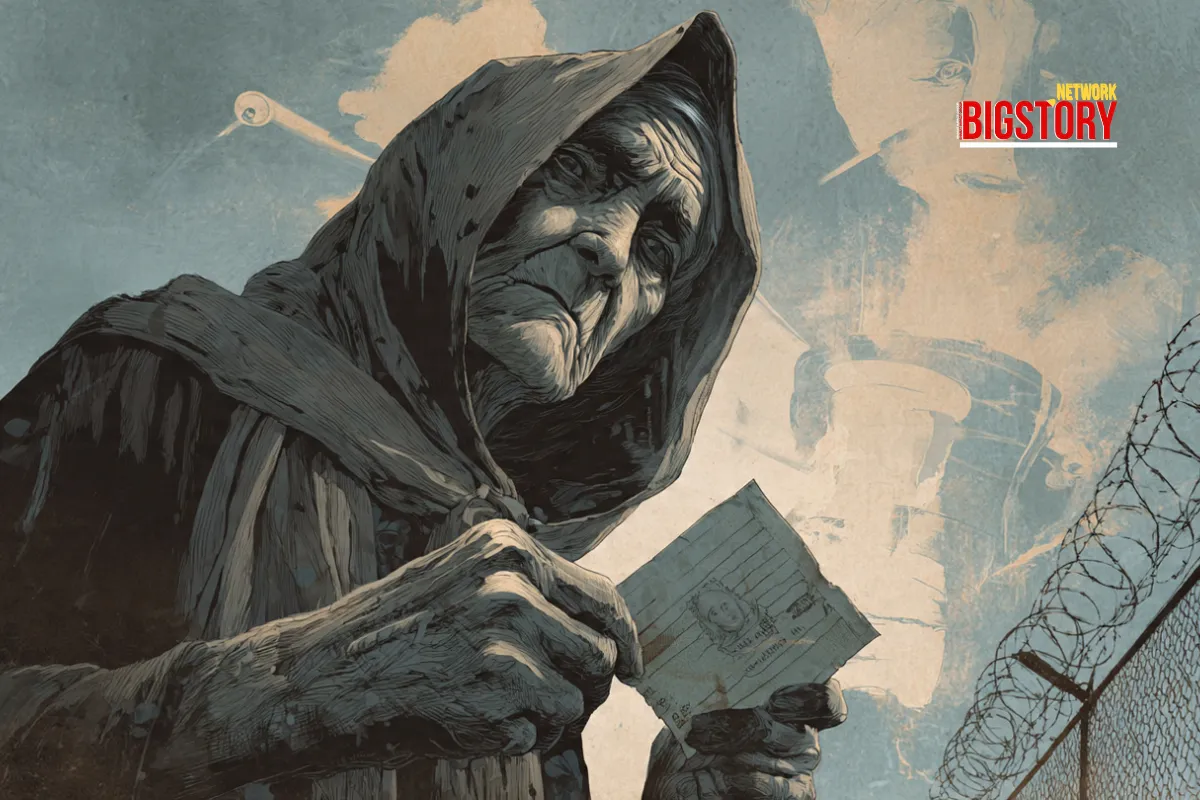
In her sharpest attack yet, West Bengal Chief Minister Mamata Banerjee yesterday branded Union Home Minister Amit Shah as "dangerous," accusing him of using the ongoing Special Intensive Revision (SIR) of electoral rolls to orchestrate a "political genocide" ahead of the 2026 assembly elections. Speaking at a rally in Krishnanagar on December 10, she compared Shah to mythological villains Duryodhan and Dushasan, warning that she would launch a sit-in protest if even one eligible voter is disenfranchised. This escalation comes as the Election Commission flagged 54.6 lakh voters as "uncollectible," putting nearly 7% of the state's electorate at risk of deletion just months before polls.
The confrontation has been building since November, when the SIR rollout began identifying massive discrepancies in voter lists, including over 21 lakh deceased voters. While the ECI frames this as a necessary cleanup of "legacy errors," the TMC views the 54 lakh figure as a prelude to a National Register of Citizens (NRC) style purge targeting minorities and migrants. The anxiety on the ground is palpable, with reports of at least 39 deaths, including suicides, linked to panic over documentation. Banerjee’s rhetoric has shifted from administrative complaint to existential threat, positioning the SIR as a tool to "label Bengalis as Bangladeshis" and send them to detention camps.
While headlines focus on the "political slur," the deeper story is the "Algorithmic Disenfranchisement." The ECI is using facial recognition technology to clean the rolls, a first at this scale. However, without independent audits, there is no way to know if the AI is flagging legitimate voters—especially those from poor, rural, or minority backgrounds—as duplicates due to data errors or bias. If the machine marks you for deletion, the burden of proof shifts to you. This isn't just about Amit Shah or Mamata; it's about whether an opaque algorithm has the power to revoke citizenship rights in the world's largest democracy.
If 54 lakh names are indeed deleted, it could mathematically swing the 2026 election, as victory margins in Bengal are often razor-thin. The "uncollectible" tag effectively disenfranchises migrant workers who may not be home during verification visits. Politically, this solidifies the 2026 contest as a referendum on citizenship itself. If the draft roll published on December 16 confirms mass deletions, expect the state to descend into a legal and street-level battle that could delay the elections.
If a computer code decides who is a citizen and who is an infiltrator, who audits the code?
Why is Mamata Banerjee calling Amit Shah dangerous? Mamata Banerjee called Amit Shah "dangerous" and compared him to mythological villains, accusing him of orchestrating the SIR process to delete Bengali voters and push a "divisive" agenda of detention camps ahead of the 2026 elections.
What is the SIR controversy in West Bengal? The Special Intensive Revision (SIR) is an Election Commission exercise to clean up voter rolls. It has identified over 54 lakh "uncollectible" or doubtful voters, raising fears among the TMC and civil society that legitimate citizens, especially minorities and migrants, will be disenfranchised.
Will 54 lakh voters be deleted? The 54.6 lakh figure refers to voters whose status is currently unverified or "uncollectible." While not all may be deleted, they are at high risk if they cannot provide proof of residence or lineage during the ongoing verification drive. The final number will be known after the draft roll is published.
Is AI being used to delete voters? Yes, the Election Commission is using AI-based facial recognition to identify "duplicate" entries in the voter list. Critics argue this technology is opaque and may have biases that could wrongly flag legitimate voters for deletion without proper human oversight.
News Coverage
Research & Analysis
 Exclusive Content


Sign up for the Daily newsletter to get your biggest stories, handpicked for you each day.


 Trending Now! in last 24hrs


