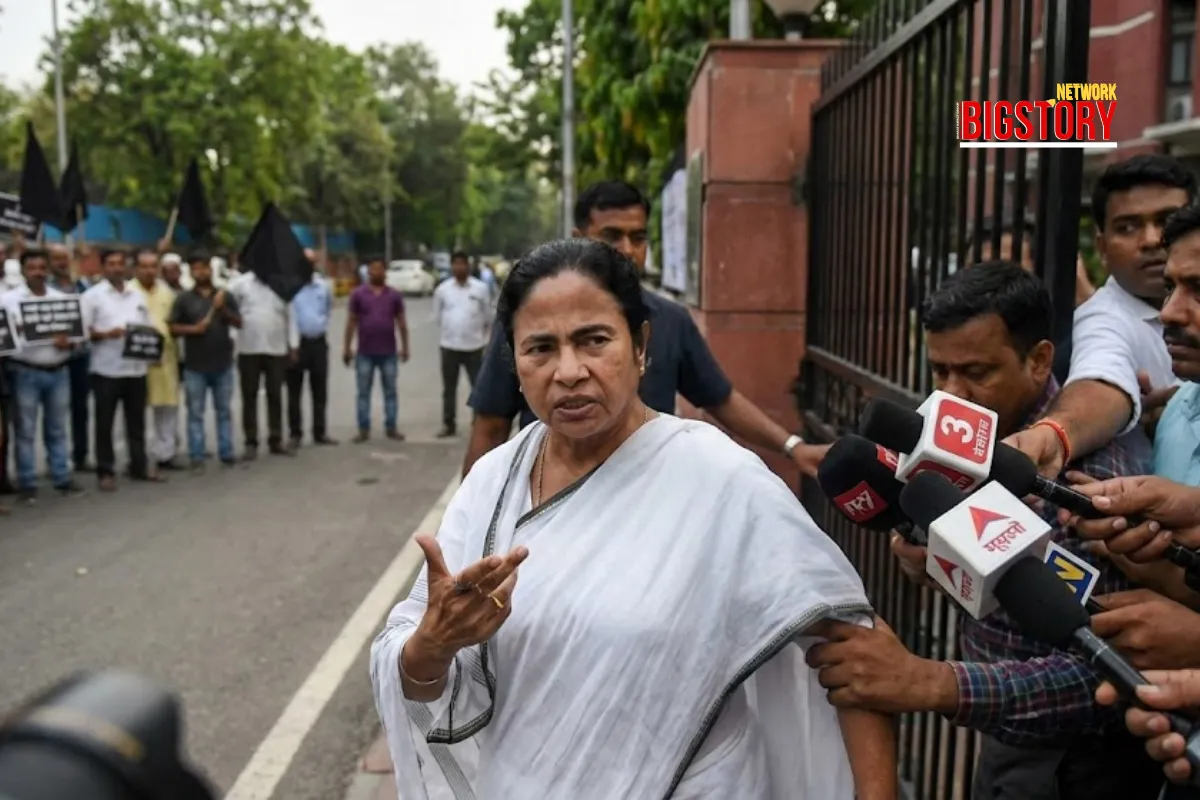
Today (Feb 2, 2026), a critical meeting between West Bengal Chief Minister Mamata Banerjee and the full bench of the Election Commission of India (ECI) in New Delhi collapsed into acrimony. Banerjee stormed out of the session, accusing Chief Election Commissioner Gyanesh Kumar of arrogance and behaving like a "BJP's dalal (middleman)."
The confrontation centers on the ECI's ongoing Special Intensive Revision (SIR) of electoral rolls in West Bengal. The Trinamool Congress (TMC) alleges that the commission's use of "Logical Discrepancy" software has arbitrarily deleted or flagged 58 lakh voters, creating panic that has allegedly led to 140 stress-related deaths.
The Context (The "SIR" Crisis)
- The Trigger (Nov 2025): The ECI initiated the SIR process exclusively in West Bengal to "purify" the rolls before the 2026 Assembly Elections. Unlike standard revisions, this utilized AI-assisted software to flag mismatched data.
- The Fallout (Jan 2026): Millions of notices were issued to voters for "logical errors" (e.g., age mismatches or duplicate entries). The TMC claims this effectively became a "mini-NRC," forcing poor villagers to produce decades-old documents to prove their existence.
- The Showdown (Today): Banerjee led a 10-member delegation, including victims' families, to the ECI headquarters. The meeting disintegrated when the CEC reportedly dismissed the "140 deaths" data as politically motivated exaggeration.
The Key Players (Who & So What)
- Mamata Banerjee (CM, West Bengal): The Protestor. She framed the technical exercise as a "genocide of rights." By storming out, she has signaled that the TMC will fight the election not just against the BJP, but against the "bias" of the ECI itself.
- Quote: "They behaved like Zamindars... We went to seek justice, but they are working at the behest of the BJP. This is not an Election Commission; it is a BJP office."
- Gyanesh Kumar (Chief Election Commissioner): The Administrator. The ECI maintains that the deletions are strictly of "dead, shifted, or duplicate" voters and that the revision is a statutory necessity to ensure free and fair polls.
- Abhishek Banerjee (TMC General Secretary): The Strategist. He presented the dossier linking the 140 deaths to panic caused by SIR notices, arguing that the ECI has "blood on its hands."
The BIGSTORY Reframe (The "Algorithmic Disenfranchisement")
While the media focuses on the political theater, the deeper story is Technocratic Exclusion.
- Code vs. Citizen: The 58 lakh flags were generated by "Logical Discrepancy" algorithms. In rural India, where birth records are often estimated or informal, digital perfection is rare. An algorithm that flags a voter because "Son's age is too close to Father's age" ignores the reality of clerical errors in census data.
- The "Black Box" Democracy: The TMC's argument is effectively a critique of AI Bias. They argue that the software disproportionately targets minority and low-income demographics who lack the "digital paper trail" to satisfy the algorithm, effectively automating their disenfranchisement without human verification.
The Implications (Why This Matters)
- For the 2026 Polls: If the deleted names are not restored, nearly 8% of the electorate could be barred from voting. This margin is large enough to swing the outcome in over 50 assembly seats.
- For Federalism: This standoff sets a dangerous precedent where a state government effectively declares "non-cooperation" with the central poll body, potentially leading to a constitutional crisis if the ECI deploys central forces to enforce the revision.
- For Voters: The fear is palpable. With the "NRC" narrative still potent in Bengal, receiving an ECI notice is being interpreted by many villagers as a prelude to detention camps, driving the panic that Banerjee is leveraging.
The Closing Question (Now, Think About This)
If a citizen exists in reality but is deleted by an error in the database, who has the final say in a democracy—the person standing in the booth, or the code running on the server?
FAQs: The Mamata vs. EC Showdown
1. Why did Mamata Banerjee walk out of the meeting? She alleged that the Chief Election Commissioner was "rude, arrogant, and dismissive" of her delegation's concerns. She claimed the ECI refused to acknowledge the 140 deaths allegedly caused by panic over the voter list revision.
2. What is the SIR exercise? Special Intensive Revision (SIR) is a rigorous voter verification drive currently unique to West Bengal. It uses specific parameters (and software) to identify and remove "dead, shifted, or duplicate" voters to clean the electoral rolls.
3. How many voters have been deleted? The TMC claims that 58 lakh names have been deleted or flagged for deletion during the first phase of the SIR process.
4. Is this the same as the NRC? Legally, No. SIR is a routine (albeit strict) electoral roll cleanup under the Election Commission. NRC (National Register of Citizens) is a citizenship test under the Home Ministry. However, the TMC argues the effect is the same: poor people are being forced to prove their identity or lose their rights.
5. What happens if my name is deleted? You can check your status on the CEO West Bengal website or the Voter Helpline App. If deleted, you must file Form 6 immediately to re-register before the final rolls are published.
Sources
News Coverage