
Rahul Gandhi calls the SIR voter deletion "anti-national" in Lok Sabha. Experts flag risks of ECI using unproven AI for mass voter verification.
 Brajesh Mishra
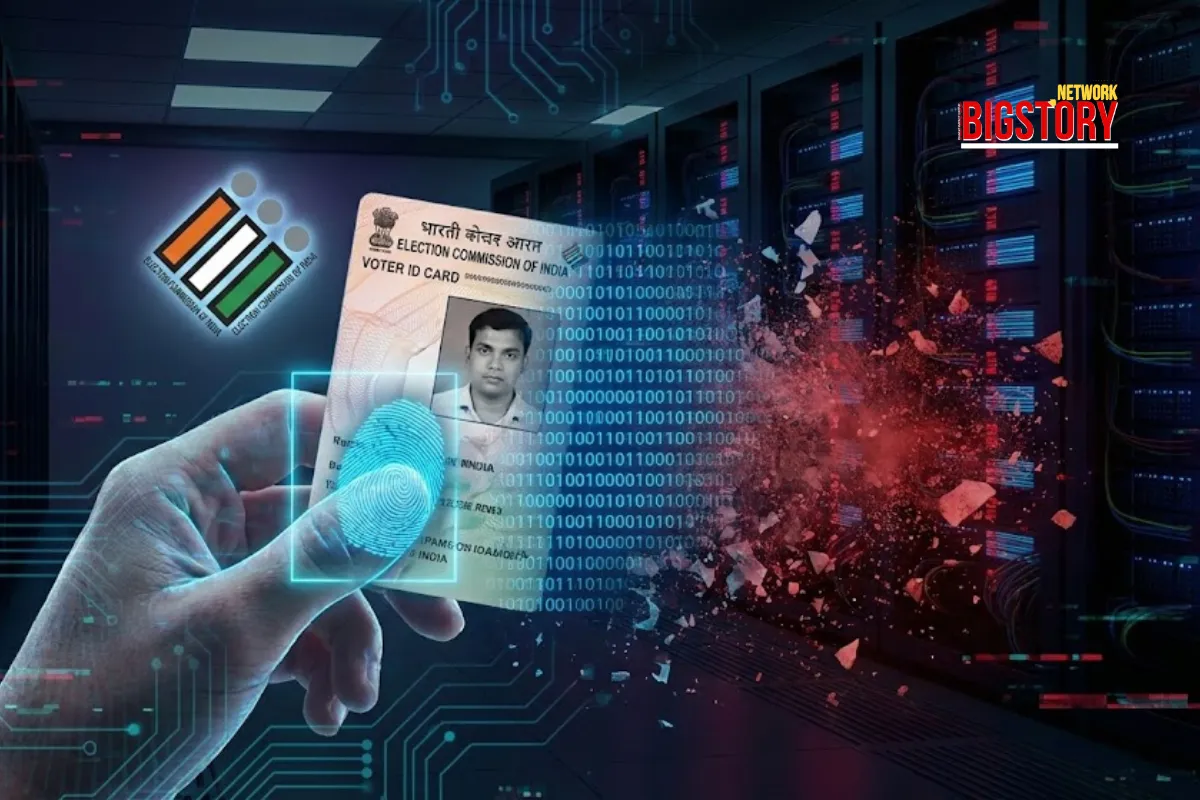
The Winter Session of Parliament witnessed its fiercest showdown today as the Lok Sabha finally debated the controversial Special Intensive Revision (SIR) of electoral rolls. Leader of Opposition Rahul Gandhi launched a scathing attack on the government, terming the deletion of voters as the "biggest anti-national act" and accusing the Election Commission of India (ECI) of facilitating "vote theft" (vote chori). The debate follows weeks of legislative deadlock and public outcry over the deletion of approximately 65 lakh names from voter lists in Bihar alone, raising fears of mass disenfranchisement ahead of upcoming state elections.
The SIR was initiated by the ECI in June 2025, ostensibly to "purify" electoral rolls by removing duplicate and ineligible voters. However, the exercise has been marred by allegations of opacity and overreach. In Phase 1 (Bihar), millions were removed, sparking protests. Now in Phase 2, covering 12 more states including West Bengal, the ECI is deploying new protocols, including AI-based facial recognition. This technological shift comes despite the ECI's own admission to the Supreme Court that its previous de-duplication software was "ineffective" and had to be scrapped, leaving 14.35 lakh suspect entries unresolved.
While headlines focus on the political slanging match, the deeper story is the "AI Experiment on Democracy." The ECI is rolling out AI facial recognition to verify millions of voters in Phase 2, yet it has publicly admitted that its previous tech failed. This creates a terrifying paradox: the guardian of Indian elections is using unproven, "black box" algorithms to decide who gets to vote. If the software has a false positive rate of even 1%, millions of legitimate citizens could be silently deleted by a machine, with no recourse. This isn't just about politics; it's about whether we are outsourcing citizenship to a beta-tested algorithm.
The debate has forced the government to acknowledge the scale of deletions, but it has not committed to pausing the SIR. This signals that the 2026 election cycle will likely be fought on a contested voter list. If the opposition can successfully brand the SIR as "digital disenfranchisement," it could delegitimize future election results in key states like West Bengal. Furthermore, the legal challenge raised by Tewari opens the door for Supreme Court intervention on the constitutionality of using AI for voter verification without a specific data protection law.
If an algorithm deletes your name from the voter list because you "look like" someone else, is that a glitch, or is it the new face of gerrymandering?
What is SIR in the context of the Indian Parliament debate? SIR stands for Special Intensive Revision of electoral rolls. It is a special drive by the Election Commission to verify voters and remove duplicates/ineligibles. It is controversial because of the large number of deletions (e.g., 65 lakh in Bihar) and the use of new technologies like AI.
Why is the Opposition calling the SIR process "vote theft"? The Opposition, led by Rahul Gandhi, alleges that the SIR is being used to systematically delete legitimate voters from specific demographics (minorities, poor) under the guise of cleaning up the rolls, effectively "stealing" their right to vote.
How can I check if my name was deleted in the SIR electoral roll update? Voters can check their status on the Election Commission's official portal (voters.eci.gov.in) or the Voter Helpline App. If deleted, they can file a claim (Form 6) during the ongoing revision period.
What is the AI controversy in the SIR process? The ECI is deploying AI-based facial recognition to identify duplicate voters. However, critics point out that the ECI previously admitted to the Supreme Court that its earlier de-duplication software was "ineffective," raising concerns about the accuracy and bias of the new AI tools.
News Coverage
Research & Analysis
 Exclusive Content


Sign up for the Daily newsletter to get your biggest stories, handpicked for you each day.



 Trending Now! in last 24hrs


