
PM Anthony Albanese announces a historic national gun buyback scheme following the Bondi Beach terror attack. The plan targets surplus weapons and restricts licenses to citizens.
 Sseema Giill
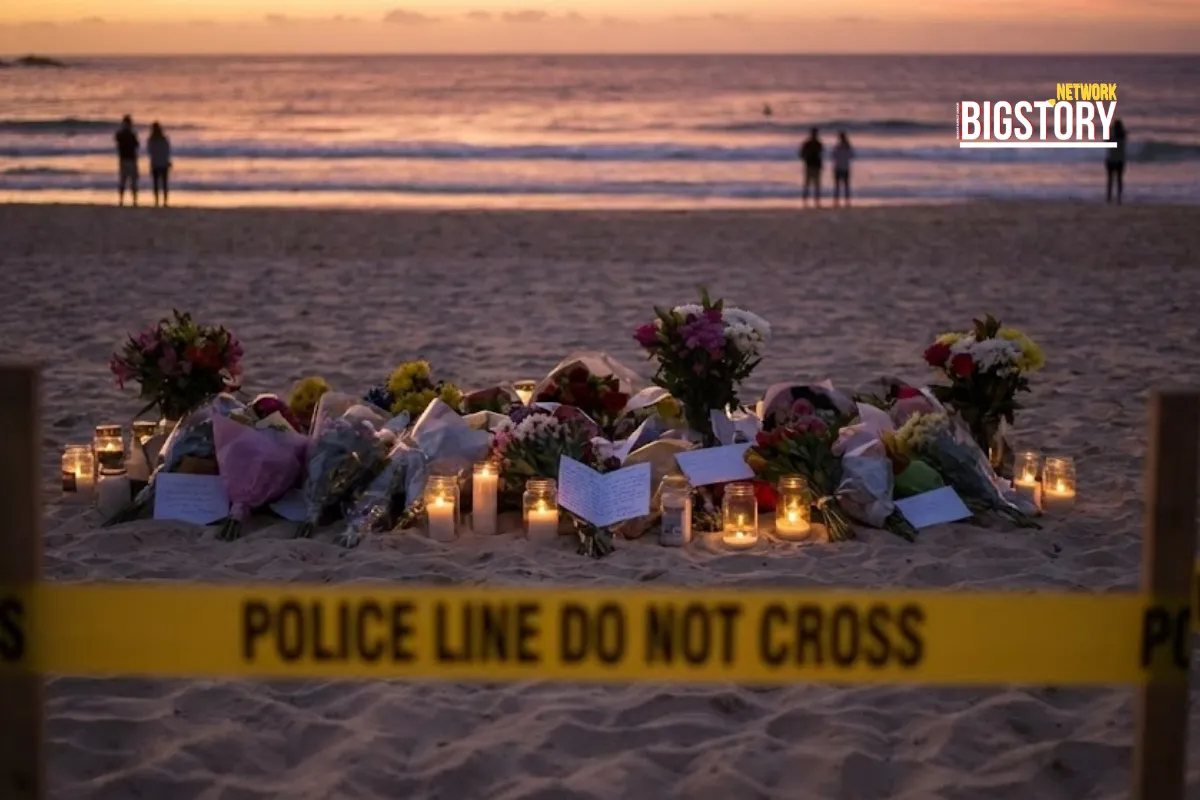
In a historic policy shift echoing the reforms of 1996, Australian Prime Minister Anthony Albanese today announced the establishment of a National Gun Buyback Scheme, the largest of its kind in three decades. Speaking from Canberra on December 19, 2025, Albanese declared that the initiative aims to purchase and destroy surplus and newly banned firearms to curb the proliferation of weapons, which has silently crept above 4 million—higher than levels seen before the Port Arthur massacre. The announcement is a direct response to the horrific terror attack near Bondi Beach earlier this month, where 15 people, including a 10-year-old girl, were gunned down at a community gathering.
Australia has long been viewed as the global gold standard for gun control, following John Howard’s 1996 reforms that removed 650,000 weapons. However, the Bondi Beach atrocity shattered that sense of security. In the wake of the attack, the National Cabinet convened in mid-December, where federal and state leaders unanimously agreed that current laws had become complacent. Western Australia set the precedent earlier this year, removing 52,000 guns in a state-level blitz. Now, the federal government is scaling that model nationwide, backed by a $365 million war chest funded equally by state and federal coffers.
While the headlines focus on the "Buyback," the deeper story is the "Citizenship Shield." Buried within the reforms is a controversial new requirement: gun licenses will now be restricted to Australian citizens. This nativist pivot effectively disarms permanent residents, visa holders, and foreign workers—many of whom are essential to the agricultural sector or are competitive sport shooters. It raises a critical question: Is this a genuine security measure, or a populist policy disguised as gun control? Furthermore, the government is shifting focus from what you can own to how many. By targeting "hoarders"—individuals with arsenals of 300+ weapons—the state is fundamentally redefining the concept of firearm ownership from a property right to a strictly capped privilege.
The introduction of a National Gun Registry represents a leap toward "Algorithmic Civil Defense." Currently, state police forces often operate in data silos. The new registry will likely utilize AI-driven database unification to flag "at-risk" individuals in real-time across state lines—moving gun control from a reactive cleanup to a predictive surveillance model. Economically, the buyback will inject millions into the hands of gun owners, but socially, it draws a hard line: the era of accumulation is over.
If there are more guns in Australia today than there were before the Port Arthur massacre, is a buyback a permanent solution, or just a reset button on a market that will eventually fill up again?
Why did Anthony Albanese announce a new gun buyback in December 2025? The Prime Minister announced the National Gun Buyback Scheme as a direct response to the Bondi Beach terror attack in December 2025, which claimed the lives of 15 people. The government aims to reduce the number of firearms in circulation to improve public safety.
How many guns are there in Australia in 2025? Current estimates indicate there are over 4 million registered firearms in Australia. This figure is significantly higher than the number of firearms in circulation prior to the 1996 Port Arthur massacre reforms.
What are the new gun laws proposed in Australia after the Bondi shooting? Key reforms include the establishment of a National Gun Registry to link state data, a cap on the number of firearms an individual can own (targeting "hoarders"), and a controversial new requirement that restricts gun licenses to Australian citizens only.
Is the Australian gun buyback mandatory? While full details are being finalized by a police working group, Home Affairs Minister Tony Burke has indicated that the scheme will compel owners to surrender "excess" firearms that exceed new ownership limits or fall under newly banned categories, implying a mandatory component.
News Coverage
Government & Official Statements
 Exclusive Content


Sign up for the Daily newsletter to get your biggest stories, handpicked for you each day.



 Trending Now! in last 24hrs


