
Karnataka is set to introduce a bill granting menstrual leave to students. The policy follows a similar move for employees and aims to waive attendance requirements.
 Brajesh Mishra
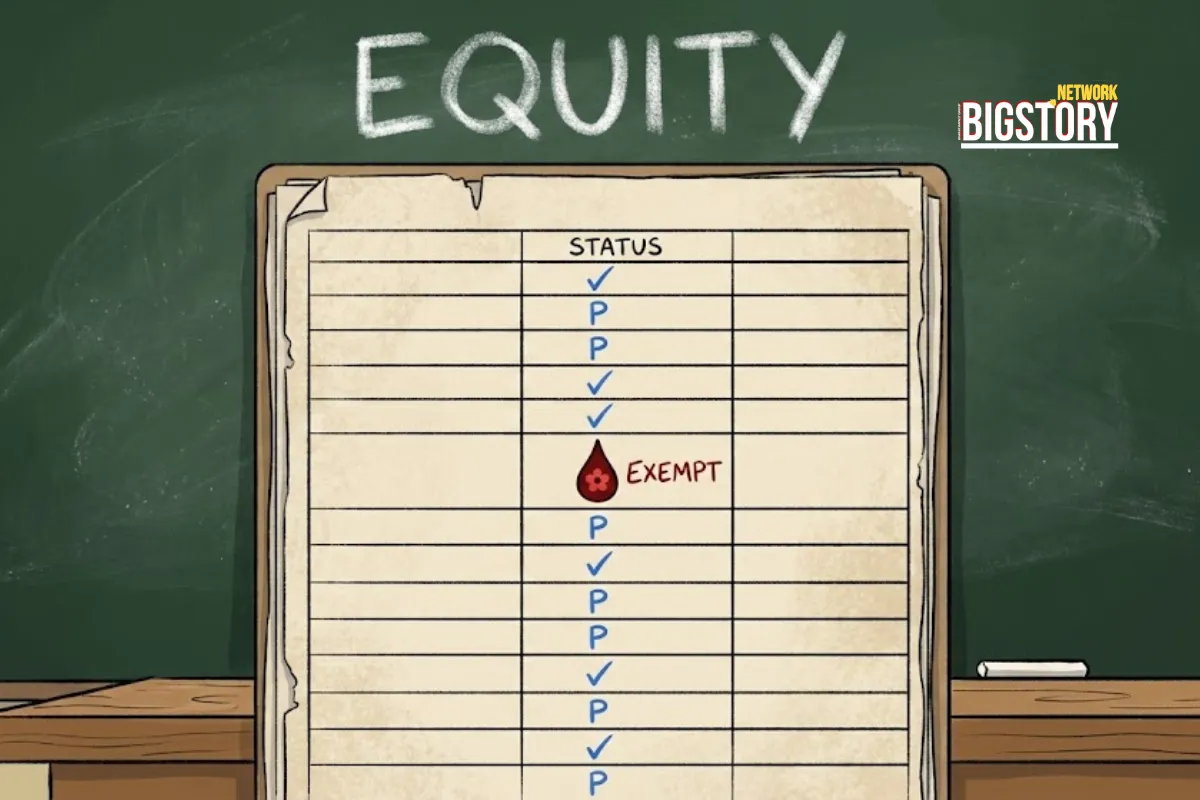
The Karnataka government is set to introduce the Karnataka Menstrual Leave and Hygiene Bill, 2025 during the ongoing Winter Session in Belagavi. The bill aims to formally extend menstrual leave benefits to female students in educational institutions across the state. This move follows the recent Cabinet approval of a similar policy granting one day of paid menstrual leave per month to women employees in both government and private sectors, marking a significant shift in the state's approach to gender equity and health.
The push for menstrual leave in education gained momentum after Kerala's Cochin University of Science and Technology (CUSAT) implemented a "condonation of attendance" policy in 2023, allowing female students an additional 2% attendance waiver per semester. In Karnataka, an 18-member expert committee chaired by law professor [Sapna S.] recommended a similar framework in September 2024. The legislative bill for students is the next logical step after the Siddaramaiah government codified leave for working women in October 2025, a policy affecting over 50 lakh employees.
While headlines focus on "holidays," the deeper story is the "Attendance Waiver." Unlike employee leave, which is time off, the student policy is fundamentally an academic adjustment. It doesn't just grant a day off; it modifies the rigid attendance criteria (often 75%) that penalize students for biological necessity. This nuance transforms the debate from "free holidays" to "reasonable accommodation," ensuring that menstruation doesn't become an academic barrier. It acknowledges that equity isn't about treating everyone the same, but about removing the specific hurdles that one group faces.
If passed, this bill will set a powerful precedent for other states, normalizing menstruation in institutional policy. For students, it removes the stress of choosing between health and attendance records. However, the "benevolent sexism" debate remains relevant: will this policy be seen as empowering, or will it subtly reinforce the idea that female students require special handling? The implementation—specifically, how schools track this leave without invading privacy—will be the true test of the policy's success.
If we acknowledge that biology shouldn't penalize a student's grades, why did it take us until 2025 to write that into law?
How many days of menstrual leave will students get in Karnataka? While the employee policy grants one day of paid leave per month, the student bill is expected to follow the Kerala model, offering a "condonation of attendance" (likely around 2% per semester) rather than a fixed number of "leave days."
Is the menstrual leave for Karnataka students a holiday? No, it is better understood as an attendance waiver. It ensures that students who miss class due to menstruation are not penalized for falling short of mandatory attendance requirements (e.g., the 75% rule).
Does the Karnataka menstrual leave policy apply to private schools and colleges? Yes. The proposed bill aims to cover female students in all educational institutions across the state, including government, aided, and private colleges and universities.
Which other states in India have menstrual leave for students? Kerala was the pioneer, introducing menstrual leave for students in higher education institutions in 2023. Bihar has had a policy for government employees since 1992, but Karnataka's move to legislate it for both employees and students statewide is a significant expansion.
News Coverage
Research & Analysis
 Exclusive Content


Sign up for the Daily newsletter to get your biggest stories, handpicked for you each day.



 Trending Now! in last 24hrs


