
Dalit migrant worker Ram Narayan Bhayar lynched in Walayar, Kerala. 5 arrested, 4 with BJP-RSS links. Victim accused of being "Bangladeshi" thief.
 Brajesh Mishra
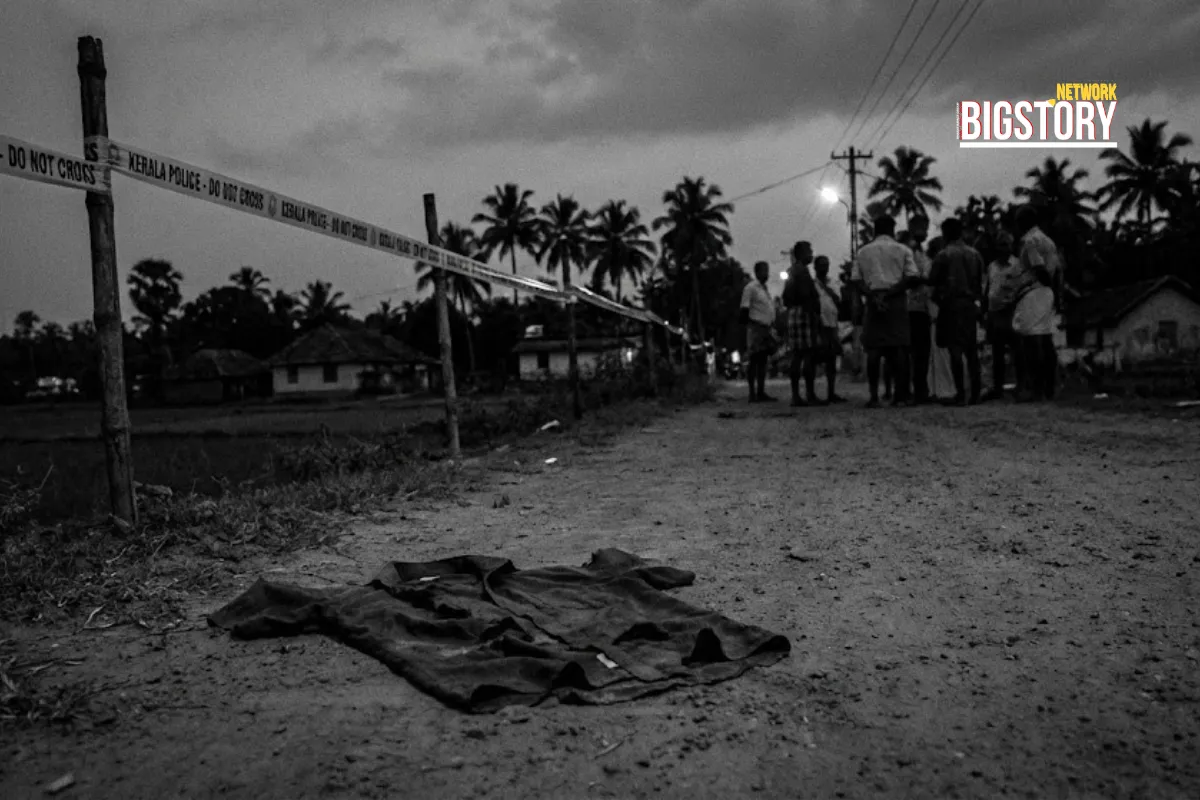
The illusion of Kerala's secular safety has been shattered by a brutal act of communal vigilantism. On December 17, 2025, Ram Narayan Bhayar, a 31-year-old Dalit migrant worker from Chhattisgarh, was beaten to death by a mob in Walayar, Palakkad. Accused of theft and interrogated with slurs like "Are you Bangladeshi?", Bhayar suffered over 80 injuries in an assault that lasted hours. Today, as five men—four with confirmed RSS-BJP links—sit in custody, the victim’s family is refusing to accept his body, demanding justice under the SC/ST Atrocities Act and exposing the dark underbelly of political hate in "God's Own Country."
This was not a spontaneous outburst. The lead accused, Anu, is a habitual offender with 15 prior criminal cases, yet he was free on bail to lead a lynch mob. The attack mirrors the national rhetoric surrounding the Citizenship Amendment Act (CAA) and the National Register of Citizens (NRC), where terms like "Bangladeshi" have become dog whistles for targeting Muslims and migrants. The 2018 lynching of Madhu in Attappady—also in Palakkad—serves as a grim precedent, suggesting that the region is becoming a laboratory for organized communal violence despite the state's progressive image.
While local media reports a "mob attack," the deeper story is the "Organized Vigilantism Network." This wasn't a random crowd; it was a structured assault involving coordination, interrogation, and filming, led by individuals with political organizational links. It signals the successful penetration of Hindutva vigilante tactics into Kerala. Furthermore, the "3.5-Hour Police Gap" raises uncomfortable questions. Why did it take police so long to intervene in a public assault? Was it negligence, or a hesitation to confront a politically connected mob? Finally, the "Gender Dimension" remains hidden—reports suggest women participated in the logistics of the assault, normalizing violence as a community activity rather than a criminal one.
This incident challenges the narrative of Kerala as a safe haven for migrants and secularism. It exposes the lethal consequences of national political rhetoric filtering down to village squares. For the millions of interstate migrant workers in India, Walayar is a terrifying reminder that they are essentially stateless citizens—protected by no one, and targeted by everyone.
If a mob can beat a man to death for hours while asking for his papers, has the vigilantism of the north finally conquered the south?
Who was Ram Narayan Bhayar and why was he killed in Walayar? Ram Narayan Bhayar was a 31-year-old Dalit migrant worker from Chhattisgarh. On December 17, 2025, he was beaten to death by a mob in Walayar, Kerala, after being accused of theft and interrogated about his nationality, with perpetrators calling him a "Bangladeshi."
Do the arrested men in Walayar have political party connections? Yes. Police have arrested five men—Anu, Prasad, Murali, Anandan, and Bipin. Investigations have confirmed that four of the five accused have organizational links to the BJP-RSS, raising concerns about organized political vigilantism.
Was the Walayar lynching a hate crime or a random mob attack? Evidence suggests it was a hate crime. The victim was targeted with communal slurs ("Bangladeshi"), and the assault was prolonged (over 2 hours) and organized, involving perpetrators with political affiliations. The victim's family and political opposition have termed it a deliberate hate crime fueled by communal rhetoric.
What charges were filed in the Walayar lynching case? Police initially registered a case of murder (BNS Section 103). However, the victim's family is demanding that the case also be registered under the SC/ST (Prevention of Atrocities) Act, arguing that his Dalit identity played a role in the brutality he faced.
News Coverage
Political & Social Context
 Exclusive Content


Sign up for the Daily newsletter to get your biggest stories, handpicked for you each day.


 Trending Now! in last 24hrs


