
Chhattisgarh Cabinet approves a panel to withdraw criminal cases against surrendered Maoists. The move aims to fast-track rehabilitation for 2,300+ cadres.
 Brajesh Mishra
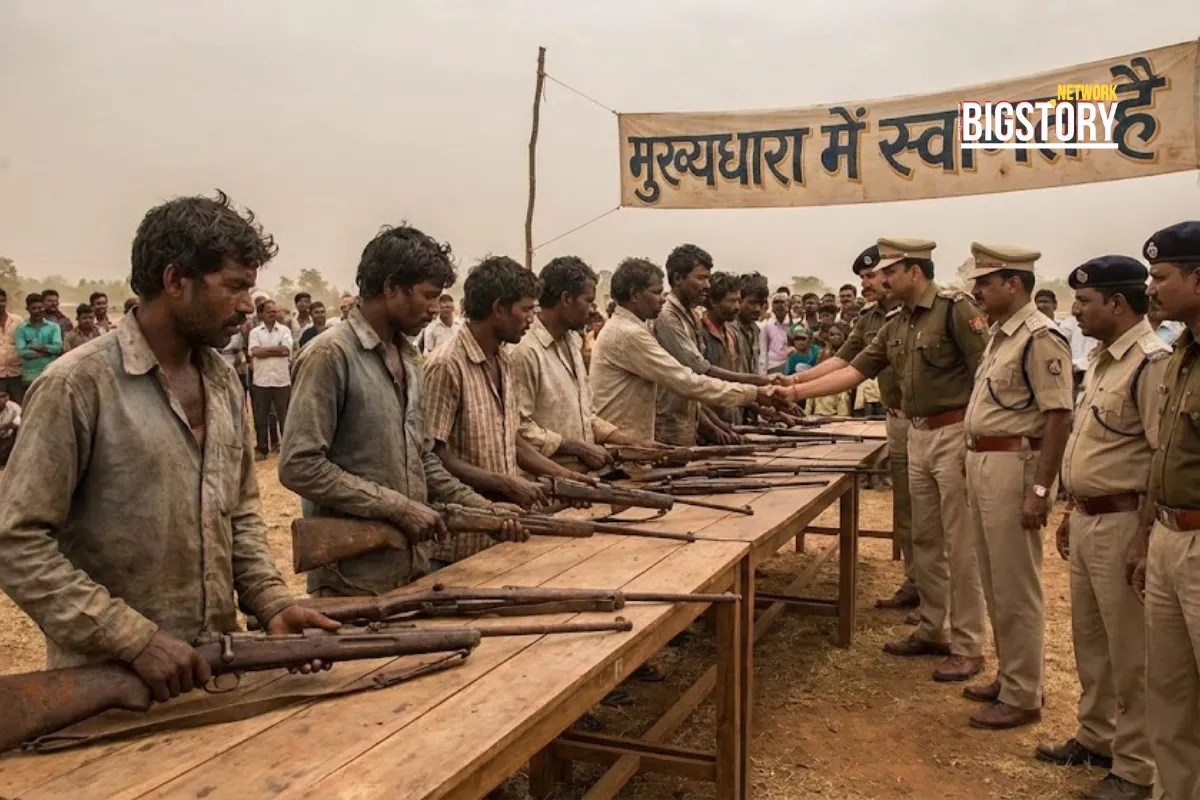
In a decisive move to operationalize its "Naxal-free 2026" goal, the Chhattisgarh Cabinet, chaired by Chief Minister Vishnu Deo Sai, approved the formation of a Cabinet Sub-Committee on December 10, 2025. This panel is tasked with reviewing and recommending the withdrawal of criminal cases against surrendered Maoists. The decision provides a crucial legal exit ramp for the 2,380+ insurgents who have laid down arms in the last two years, addressing a massive judicial bottleneck that threatened to stall the state's rehabilitation efforts.
The policy shift follows the historic mass surrender in October 2025, where 210 Maoists, carrying a cumulative bounty of ₹9.18 crore, gave up violence in Jagdalpur. While the "Niyad Nellanar" (Your Good Village) scheme offered economic incentives, the legal fate of these cadres remained in limbo. The new framework establishes a rigorous three-tier vetting process: cases will first be scrutinized by a District Committee, then the Police Headquarters and Law Department, before reaching the Cabinet Panel for a final amnesty decision. This structure aims to fast-track reintegration while ensuring that hardened criminals don't slip through the cracks.
While headlines focus on "amnesty," the deeper story is the "Probation Trap." The withdrawal of cases is not unconditional; it hinges on "good conduct." This clause effectively places surrendered Naxals under a permanent, invisible probation. By retaining the power to revive cases if conduct falters, the state is creating a powerful lever of social control. It ensures that former insurgents remain under the watchful eye of the police long after they leave the jungle. Furthermore, the use of biometric tracking (FaceTagr) suggests that this "rehabilitation" will be digitally monitored, turning Bastar into a testing ground for tech-enabled counter-insurgency management.
If successful, this policy could trigger a domino effect, encouraging the remaining top leadership—currently cornered in the Abujhmad forests—to surrender before the March 2026 deadline. However, it also carries risks. If the Cabinet Panel is seen as arbitrary or slow, it could breed resentment among surrendered cadres, potentially leading to recidivism. The involvement of the Central Government for cases under central acts (like UAPA) adds another layer of complexity, testing the coordination between Raipur and New Delhi.
If a rebel surrenders but lives in fear of his past cases being reopened by a "conduct" review, has he truly left the war, or just changed battlefields?
What is the process to withdraw cases against surrendered Naxals? The process involves a three-tier scrutiny. First, a District Committee reviews the cases. Then, the Police Headquarters and Law Department vet the recommendations. Finally, the newly formed Cabinet Sub-Committee gives the approval for withdrawal from the court.
Does the Chhattisgarh government withdraw cases under Central Acts? For cases registered under Central Acts (like the Unlawful Activities Prevention Act or Arms Act), the state government cannot unilaterally withdraw them. It must seek and obtain specific approval from the Union Government before proceeding.
What is the "Good Conduct" clause? The policy stipulates that cases will only be withdrawn if the surrendered cadre demonstrates "good conduct" after laying down arms. This creates a probationary period where any return to criminal activity could halt the legal relief.
How many Naxalites have surrendered in Chhattisgarh recently? In the last two years alone, over 2,380 Naxalites have surrendered in the state, responding to increased security pressure and new rehabilitation incentives.
News Coverage
Research & Analysis
 Exclusive Content


Sign up for the Daily newsletter to get your biggest stories, handpicked for you each day.


 Trending Now! in last 24hrs


