
A bus carrying pilgrims plunged into a gorge in Andhra's Alluri district due to dense fog, killing 9. Police have now banned night travel on ghat roads.
 Brajesh Mishra
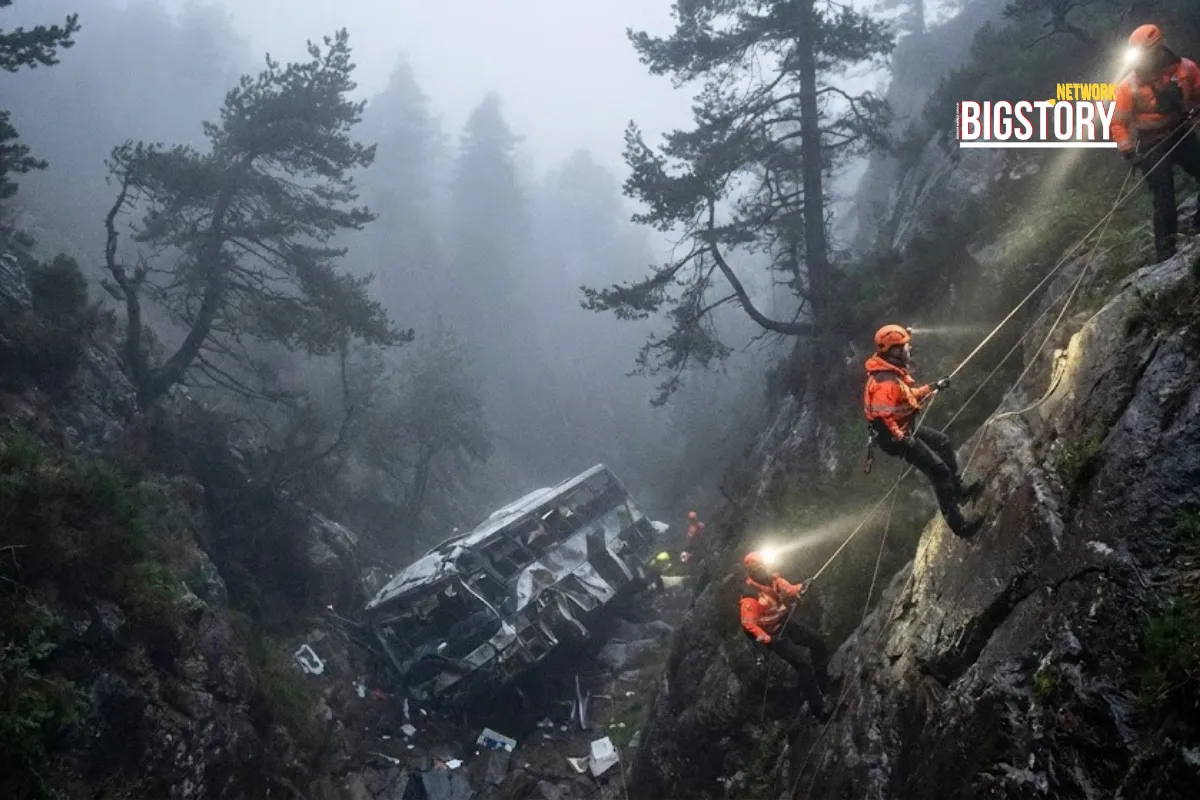
A pilgrimage tour turned tragic in the early hours of December 11, 2025, when a private bus carrying 37 devotees from Chittoor plunged into a deep gorge on the Chinturu–Maredumilli ghat road in Alluri Sitarama Raju (ASR) district. The crash, which occurred around 4:40 AM near Tulasipaka, killed at least 9 people and left over 20 injured. Authorities have attributed the accident to dense winter fog that reduced visibility to near-zero, causing the driver to lose control at a sharp curve. In a reactive move, district police imposed a ban on heavy passenger vehicles on all ghat roads between 10 PM and 5 AM starting December 12.
The victims were returning from a multi-state temple tour that included Bhadrachalam and Annavaram. The route they took—the Chinturu-Maredumilli ghat road—has been documented as "dangerous and accident-prone" since at least 2015, yet systemic safety upgrades remain absent. The winter fog season in Andhra Pradesh is notoriously deadly, contributing to 600-700 road deaths annually. Despite this known hazard, the bus operator, Vigneswara Travels, scheduled the journey during the peak danger window of early morning, leading to a catastrophe compounded by the lack of mobile network coverage which delayed rescue efforts.
While headlines blame "fog," the deeper story is the "Infrastructure of Neglect." This wasn't an act of God; it was a failure of systems. The bus lacked modern Collision Avoidance Systems (CAS) or LiDAR technology that could have detected the curve through the fog. The road lacked smart sensors or automated weather warnings. In an era where AI can predict fog density and optimize routes to avoid danger zones, relying on a driver's eyes at 4 AM on a cliff edge is a fatal anachronism. The tragedy highlights a lethal gap between available safety tech and the primitive reality of India's pilgrimage transport sector.
The immediate night ban will disrupt pilgrimage schedules across the state, forcing operators to rethink logistics. It may also trigger a crackdown on private travel agencies regarding compliance with safety norms on hill routes. Long-term, this incident adds pressure on the state government to invest in digital infrastructure—specifically mobile connectivity and intelligent transport systems—on remote ghat roads, transforming them from death traps into managed travel corridors.
If we know fog kills 600 people a year on these roads, why do we still treat every crash as a surprise?
What caused the Andhra bus crash on December 11? The primary cause was dense fog and poor visibility, which led the driver to lose control of the vehicle while navigating a sharp curve on the Chinturu-Maredumilli ghat road.
How many people died in the accident? At least 9 to 10 people have been confirmed dead, and over 20 others sustained injuries. The victims were pilgrims from the Chittoor district.
Has the government taken any action after the crash? Yes. The Alluri Sitarama Raju district police have imposed a ban on heavy passenger vehicles traveling on all ghat roads in the district between 10 PM and 5 AM to prevent further accidents due to fog.
Where did the accident happen? The accident occurred at the 9th milestone near Tulasipaka on the Chinturu-Maredumilli ghat road in the Alluri Sitarama Raju (ASR) district of Andhra Pradesh.
News Coverage
Research & Analysis
 Exclusive Content


Sign up for the Daily newsletter to get your biggest stories, handpicked for you each day.


 Trending Now! in last 24hrs


