
Kerala MLA Antony Raju convicted for tampering with evidence in a 1990 drug case. Sentenced to 3 years after a 36-year legal battle.
 Brajesh Mishra
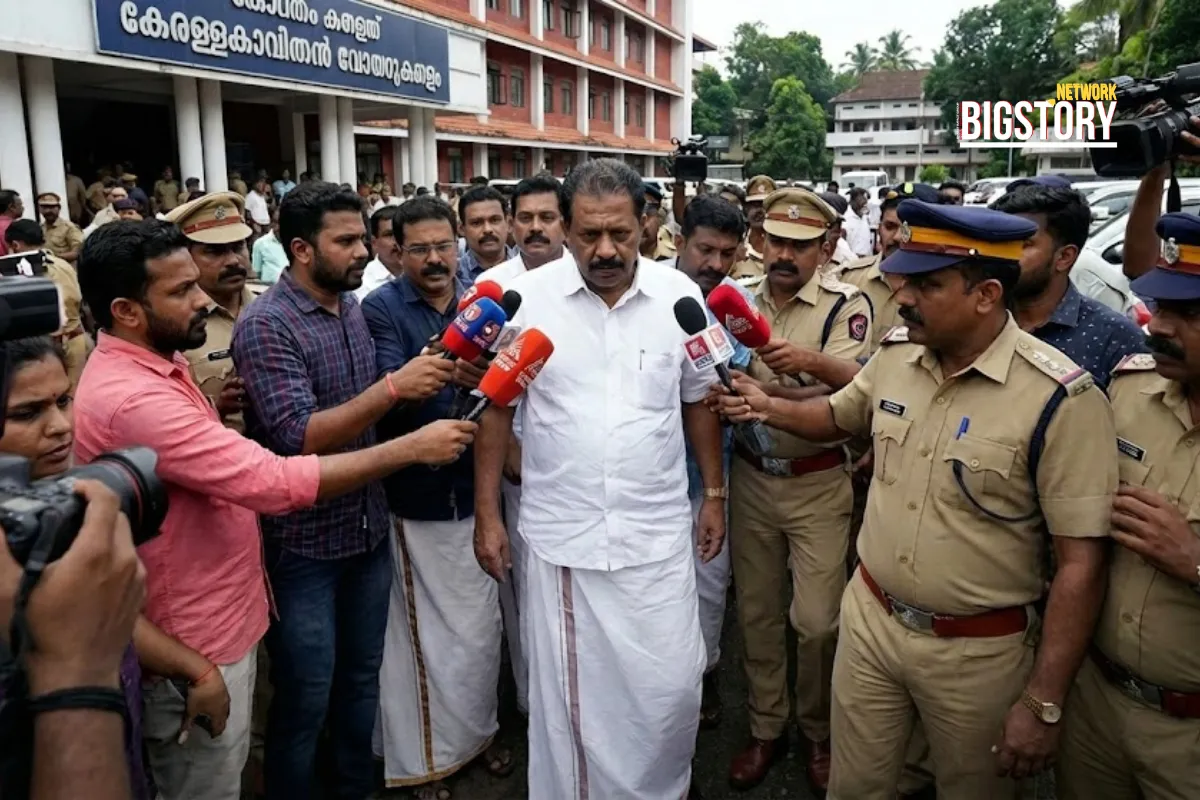
Justice delayed has finally arrived, but it took three and a half decades. On January 3, 2026, a judicial magistrate court in Nedumangad convicted Antony Raju, a Janadhipathya Kerala Congress MLA and former state Transport Minister, for tampering with evidence in a 1990 drug trafficking case. Raju, who was a junior lawyer at the time, was found guilty of conspiring with a court clerk to alter a pair of underwear—the key material evidence—so it would not fit the accused, an Australian national named Andrew Salvatore Cervelli. The verdict, which includes a three-year prison sentence, triggers Raju's automatic disqualification from the Kerala Assembly, ending the political career of a man who once managed the state's transport system but couldn't outrun his past.
The saga began on April 4, 1990, when Cervelli was arrested at Thiruvananthapuram airport with 61.5 grams of hashish hidden in his underwear. Though initially convicted and sentenced to 10 years, Cervelli was acquitted by the Kerala High Court in 1991 after a dramatic courtroom demonstration showed the underwear was too small for him. He returned to Australia a free man. The fraud unraveled years later when Interpol and Australian authorities tipped off Indian police that the underwear had been deliberately shrunk. An FIR was filed against Raju in 1994, but the case languished in legal limbo for 32 years—bouncing between vigilance inquiries, High Court quashings, and a Supreme Court revival in November 2024—before finally reaching a verdict today.
While mainstream media focuses on the "MLA Convicted" headline, the deeper story is the "Systemic Paralysis." Why did it take 36 years to prove that a piece of cloth was cut? The timeline reveals a judicial system paralyzed by technicalities. The charge sheet was filed 12 years after the FIR; the trial was stayed for years on procedural grounds. This wasn't a complex financial crime; it was physical tampering, yet the system allowed a known suspect to rise to become a lawmaker and minister before holding him accountable.
Furthermore, the "Cervelli Paradox" remains unaddressed. A foreign drug trafficker walked free because his lawyer cheated, and while the lawyer is now punished, the trafficker retains his freedom. The case exposes a perverse incentive structure where tampering with evidence offers high rewards (freedom for the client) with consequences that are so delayed they effectively don't exist for decades.
Raju’s disqualification alters the political math in Thiruvananthapuram and embarasses the ruling LDF coalition. Legally, the judgment sets a rare precedent for holding legal professionals criminally liable for "zealous advocacy" that crosses into fabrication. It sends a warning to the bar: the privilege of the lawyer does not extend to the evidence room.
If it takes 36 years to punish a lawyer for cutting a piece of underwear, how long would it take to catch someone who deleted a digital file?
Who is Antony Raju and why was he convicted? Antony Raju is a Kerala MLA and former Transport Minister who was convicted on January 3, 2026, for tampering with evidence in a 1990 drug smuggling case. As a junior lawyer, he conspired to alter a pair of underwear used as evidence to secure the acquittal of his client, an Australian national.
What was the 1990 drug case involving Antony Raju? In April 1990, Australian national Andrew Salvatore Cervelli was arrested at Thiruvananthapuram airport with hashish hidden in his underwear. Although initially convicted, he was acquitted by the High Court in 1991 after the underwear produced in court—which had been secretly altered—was found to be too small for him.
Will Antony Raju lose his MLA position? Yes. Under Indian law, a conviction carrying a prison sentence of two years or more results in immediate disqualification from the legislative assembly. With a sentence of three years, Antony Raju loses his seat representing Thiruvananthapuram.
News Coverage
Context & Timeline
 Exclusive Content


Sign up for the Daily newsletter to get your biggest stories, handpicked for you each day.



 Trending Now! in last 24hrs


