PM Modi launches the Traditional Medicine Global Library and AI-powered TMGL GPT bot at the WHO Summit. The platform digitizes 1.6M+ records to modernize ancient healing.
 Brajesh Mishra
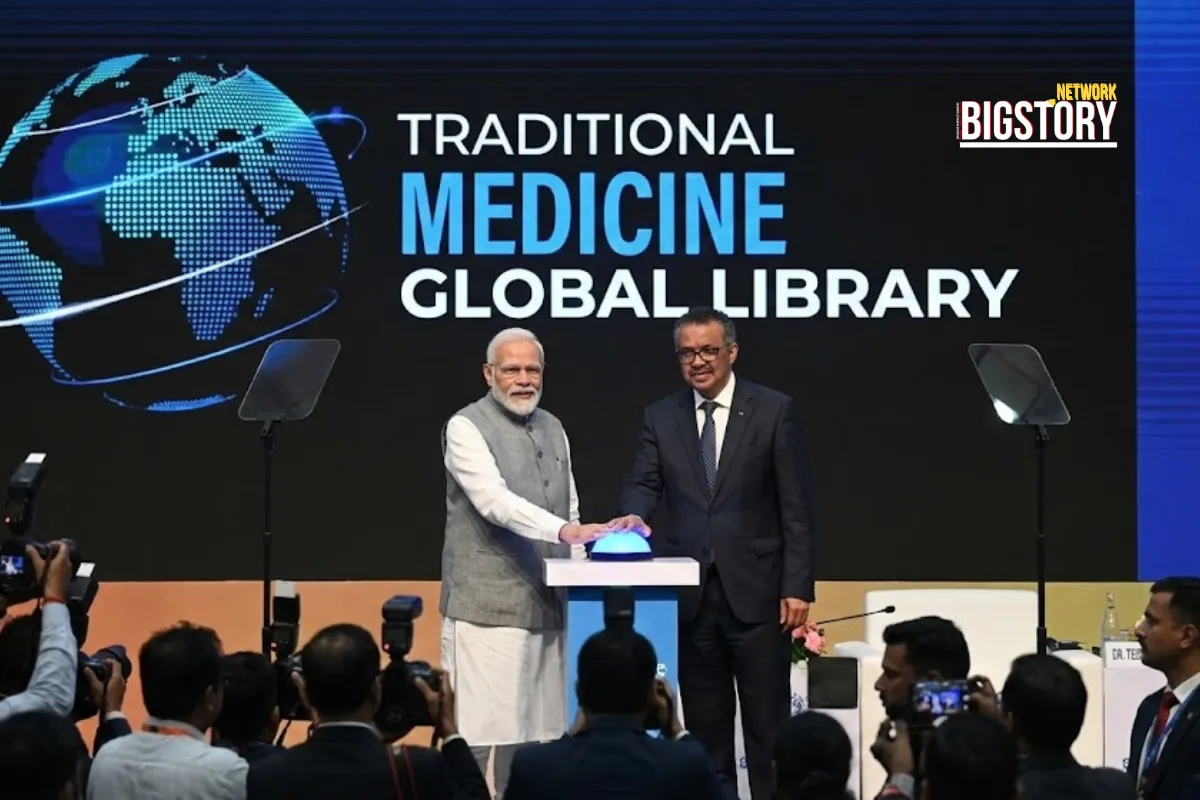
In a landmark move to bridge ancient wisdom with modern science, Prime Minister Narendra Modi today launched the Traditional Medicine Global Library (TMGL) at the closing ceremony of the Second WHO Global Summit on Traditional Medicine in New Delhi. This digital repository, the first of its kind, aggregates over 1.6 million scientific records from 194 countries, creating a centralized evidence base for traditional healing systems. Alongside this, the PM unveiled a beta version of an AI-powered chatbot designed to decode complex Sanskrit texts like the Charak Samhita into plain language, signaling India's intent to lead the global integration of AI and Ayurveda.
For decades, traditional medicine has been marginalized in global health policy due to a lack of standardized data. Less than 1% of global health research funding is directed toward it, despite 80% of the world's population relying on it. The TMGL, conceptually proposed by PM Modi at the 2023 BRICS Summit, is modeled after India's successful Traditional Knowledge Digital Library (TKDL), which has historically fought biopiracy by overturning patents on turmeric and neem. By expanding this model globally under the WHO's aegis, India is attempting to institutionalize traditional knowledge before it is lost or appropriated.
While headlines focus on the "Digital Library," the deeper story is the "AI Colonialism Risk." The TMGL GPT bot is a powerful tool, but it raises a critical question: Who trains the algorithm? If the AI is trained predominantly on Indian texts (Ayurveda), there is a risk it could bias global users toward Indian systems at the expense of African or Chinese traditional medicine. Furthermore, the "Digital Access Paradox" remains unaddressed. A "free" digital library is useless to a rural practitioner in Sub-Saharan Africa without reliable internet. Is this library a tool for global equity, or a trophy for well-resourced academic elites?
The launch creates a new frontline in the battle against biopiracy. By digitizing and timestamping traditional knowledge, the TMGL makes it harder for pharmaceutical giants to patent ancient remedies. However, it also centralizes this knowledge, potentially making it easier for competitors to "data mine" cures for synthetic replication. Domestically, the simultaneous rollout of the Rashtriya e-Pustakalaya—a digital library for children—suggests a broader strategy to digitize India's cultural and educational heritage, ensuring the next generation is as comfortable with Sushruta as they are with Science.
If ancient knowledge is digitized by AI, does it lose its cultural soul to become just another dataset, or is this the only way to save it from extinction?
What is the Traditional Medicine Global Library (TMGL)? The TMGL is a digital repository launched by PM Modi and the WHO on December 20, 2025. It aggregates over 1.6 million scientific records and publications on traditional medicine from 194 countries, aiming to provide a centralized, evidence-based platform for researchers and policymakers.
How does the AI-powered TMGL GPT bot work? Developed by the Ministry of AYUSH, the TMGL GPT bot uses artificial intelligence to interpret and translate complex classical texts (like the Charak Samhita) into plain, accessible language. It allows users to ask health-related questions and receive answers based on ancient Ayurvedic wisdom.
What is the difference between TMGL and Rashtriya e-Pustakalaya? The TMGL is a global platform focused on scientific research and evidence for traditional medicine professionals. Rashtriya e-Pustakalaya, also highlighted during the launch, is a separate digital library initiative by the Ministry of Education targeting Indian children and youth with non-academic books in multiple languages to promote reading culture.
Does the library help prevent biopiracy? Yes. Modeled after India's Traditional Knowledge Digital Library (TKDL), the TMGL documents and timestamps traditional knowledge. This creates "prior art" evidence that patent offices can use to reject patent claims on existing traditional remedies, as seen in past cases involving turmeric and neem.
News Coverage
Official Data & Technical Context
 Exclusive Content


Sign up for the Daily newsletter to get your biggest stories, handpicked for you each day.



 Trending Now! in last 24hrs