BIGSTORY Network


International News March 5, 2026, 8:40 p.m.

The "CHINA OWNER" Loophole: How a Simple Radio Signal is Beating the Hormuz Blockade

Iran grants an exclusive "safe passage" exemption to Chinese vessels in the Strait of Hormuz blockade. Inside the $424,000/day freight crisis and the new AIS survival tactics.

by Author Brajesh Mishra
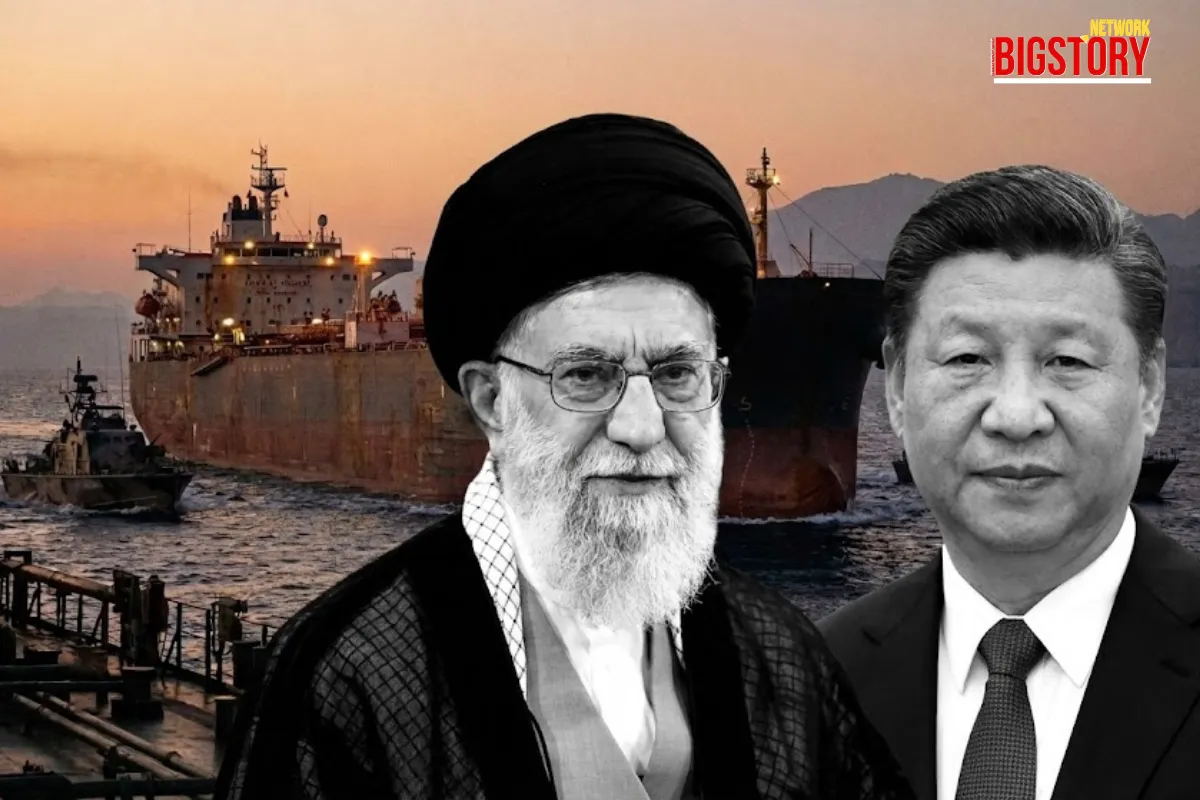
Hero Image

The world's most vital economic artery has been severed for everyone but Beijing. In the chaotic aftermath of the U.S.-Israeli "Operation Epic Fury" strikes on February 28, the Strait of Hormuz has become an active kill zone. Total vessel traffic has plummeted by nearly 90%, and standard insurance providers have entirely pulled "War Risk" cover for the Persian Gulf. Yet, amidst the burning tankers and military blockades, a select fleet of massive bulk carriers is sailing through untouched.

This matters because Iran has successfully weaponized the global energy supply chain. By explicitly granting safe passage to Chinese vessels, the IRGC is attempting to economically suffocate the West while keeping Tehran’s primary financial lifeline alive. Roughly 20% of the world's seaborne oil passes through this narrow 21-mile waterway. With Iran reportedly striking vessels that ignore its warnings, the "China Exemption" is no longer just a diplomatic courtesy; it is the only viable mechanism preventing a total collapse of the Asian energy grid.

The "BigStory" Angle (The "Flag of Convenience" for War & AI Auditing)

Mainstream financial media is focused entirely on the spike in crude oil prices. They are missing the bizarre tactical reality playing out on the water: The AIS Survival Shield.

Ship captains are adopting desperate measures to survive. We are witnessing the birth of a new wartime "Flag of Convenience." Non-Chinese commercial vessels—such as the bulk carrier Iron Maiden today, or the Turkish-operated Bogazici earlier this week—are actively altering their Automatic Identification System (AIS) transponder data to broadcast "CHINA OWNER" or "MUSLIM OWNED." In a waterway patrolled by IRGC anti-ship missiles, altering a line of digital code has become a literal shield against destruction.

Furthermore, watch the AI Satellite Auditing arms race. To crack down on this spoofing, intelligence analysts and military forces are reportedly deploying AI algorithms that compare real-time transponder data against satellite imagery of physical hull markings. The AI cross-references the broadcasted "Chinese identity" with ownership databases in milliseconds, turning the Strait of Hormuz into a high-stakes digital checkpoint.

The Context (Rapid Fire)

  • The Trigger: Following the massive allied strikes on Iran on February 28, the IRGC warned that the Strait was "no longer safe," causing a catastrophic 70% drop in commercial maritime traffic within 24 hours.
  • The Backstory: China is Iran's largest oil customer, keeping the heavily sanctioned Iranian economy afloat. This maritime exemption is the direct geopolitical ROI (Return on Investment) for Beijing's sustained economic loyalty.
  • The Escalation: Despite Iranian Foreign Minister Abbas Araghchi claiming the Strait is open to "civilian vessels," the IRGC continues to enforce a strict, violent blockade. Reports indicate the Guard has already struck up to 10 tankers attempting to run the strait without explicit clearance.

Key Players (The Chessboard)

  • Wang Yi (The Diplomat): China's Foreign Minister, walking a geopolitical tightrope by publicly urging all parties to safeguard navigation while quietly securing Beijing's exclusive energy supply lines.
  • The IRGC (The Gatekeepers): Iran's elite military force, commanding the blockade via VHF radio and anti-ship missile batteries, deciding which economies live and die based on geopolitical allegiance.
  • Mao Ning (The Voice): Spokesperson for the Chinese MOFA, who firmly asserted that China will "take necessary measures to safeguard its own energy supplies," a veiled confirmation of the backchannel guarantees secured from Tehran.

The Implications (Your Wallet & World)

  • Short Term (Logistics Panic): For those tracking global logistics, monitor the Kpler and Windward maritime dashboards. Watch for a massive spike in ships changing their destination ports or AIS owner statuses to "China." Until the U.S. Navy establishes a secure, armed convoy system, this spoofing is the only way cargo is leaving the Gulf.
  • Long Term (India's Energy Crisis): While China sails through, New Delhi is watching in alarm. With Indian oil and gas imports from the Gulf effectively stalled behind the blockade, India faces an imminent domestic energy crisis unless it can secure its own diplomatic exemption or route supplies through alternative corridors.

The Closing Question

If changing a ship's digital transponder to "CHINA OWNER" is all it takes to avoid being sunk by Iranian missiles, how long until the IRGC starts boarding ships to verify passports, and what happens when they catch a Western crew faking it? Tell us in the comments.

FAQs

  • Q: Why is China allowed to use the Strait of Hormuz while others are blocked?
  • A: Iran's IRGC is granting Chinese ships an exclusive "safe passage" exemption as a geopolitical reward for Beijing's continued diplomatic support and its status as the primary buyer of sanctioned Iranian oil.
  • Q: Is the Strait of Hormuz officially closed in 2026?
  • A: While not officially declared closed by the Iranian government, the IRGC has established a de facto military blockade. Total vessel traffic has dropped by 86-90%, and standard insurance providers have pulled "War Risk" coverage for the region.
  • Q: How are ships signaling "Chinese Ownership" to avoid Iranian attacks?
  • A: Desperate ship captains are altering their vessel's Automatic Identification System (AIS) transponders to broadcast phrases like "CHINA OWNER" or "MUSLIM OWNED" directly into the digital tracking feeds monitored by Iranian forces.
  • Q: What is the impact of the 2026 Hormuz crisis on global oil prices?
  • A: The blockade has severely choked global supply lines, leading to panic pricing. Chartering a crude oil tanker from the Middle East to China has skyrocketed to a record-breaking $424,000 per day due to exorbitant war-risk premiums.

Sources:


Brajesh Mishra
Brajesh Mishra Associate Editor

Brajesh Mishra is an Associate Editor at BIGSTORY NETWORK, specializing in daily news from India with a keen focus on AI, technology, and the automobile sector. He brings sharp editorial judgment and a passion for delivering accurate, engaging, and timely stories to a diverse audience.

BIGSTORY Trending News! Trending Now! in last 24hrs

The "False Flag" Defense: Why Iran is Blaming Israel for the Attack on Azerbaijan
International News
The "False Flag" Defense: Why Iran is Blaming Israel for the Attack on Azerbaijan
A "Quiet Death": Inside the Historic Submarine Strike That Split the IRIS Dena
International News
A "Quiet Death": Inside the Historic Submarine Strike That Split the IRIS Dena
The "Dismantled Cell" Factor: Why Iran’s Missile Strike on Qatar Was an Inside Job
International News
The "Dismantled Cell" Factor: Why Iran’s Missile Strike on Qatar Was an Inside Job
The "Discord Democracy": How Gen Z Just Rewrote Nepal's Political Future
International News
The "Discord Democracy": How Gen Z Just Rewrote Nepal's Political Future