
A U.S. submarine sinks the Iranian frigate IRIS Dena with a Mark 48 torpedo off the coast of Sri Lanka. Inside the historic "quiet death" strike and AI sonar tactics.
 Brajesh Mishra
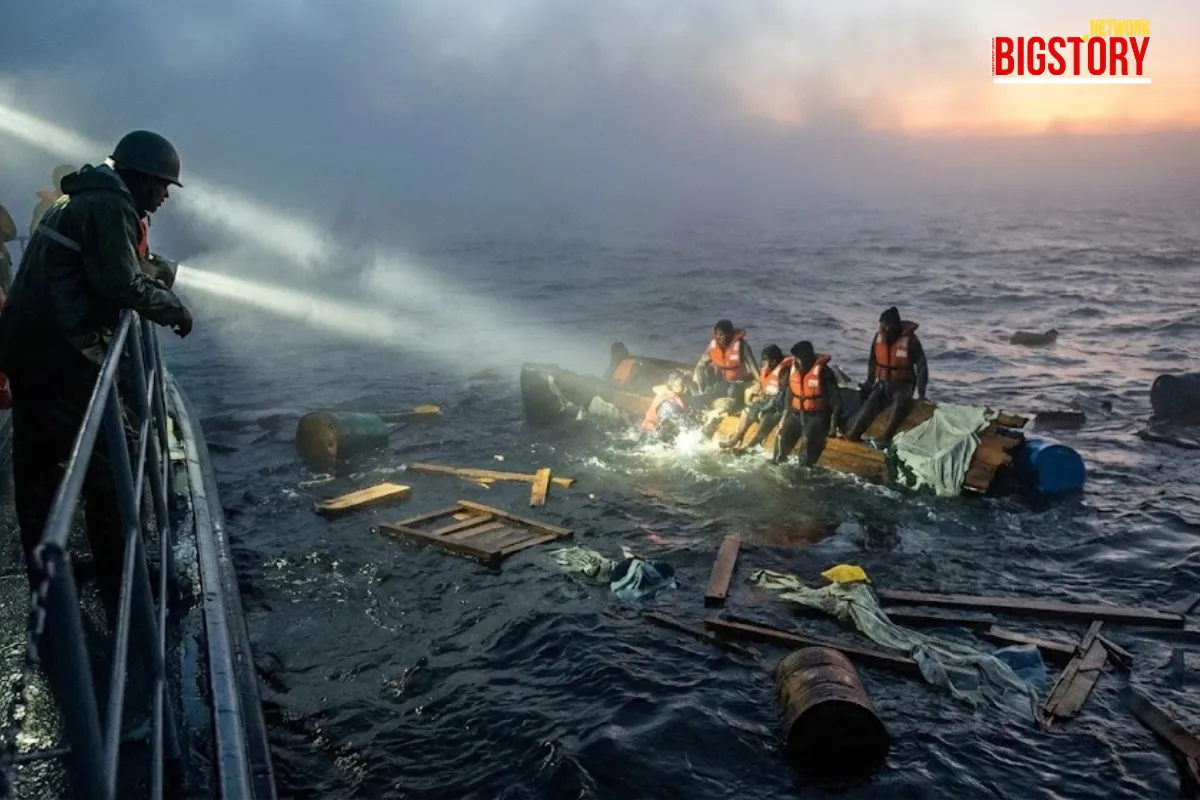
For the first time since World War II, an American submarine has sent an enemy surface combatant to the bottom of the ocean. In the early hours of March 4, 2026, the Iranian Moudge-class frigate IRIS Dena was transiting international waters roughly 40 nautical miles south of Galle, Sri Lanka. Without warning, a single American Mark 48 heavyweight torpedo struck the vessel's keel. Infrared footage released by the Pentagon shows the catastrophic impact instantly snapping the warship's spine, sending it into the depths before rescue vessels could even arrive on the scene.
This matters because it shatters the geographical boundaries of the current conflict. The U.S.-Iran war is no longer contained to the Middle East. By hunting and destroying an Iranian warship in the busy commercial sea lanes of the Indian Ocean, the United States is enforcing a doctrine of total maritime dominance. The strike sends a chilling message to Tehran: there is no safe harbor, and American attack submarines operate with lethal impunity across the globe.
Mainstream defense coverage is focusing heavily on the sheer explosive power of the Mark 48 torpedo. They are missing the intense diplomatic friction surrounding the "Neutral Territory" Violation.
The IRIS Dena was not actively engaged in combat; it was returning home after participating as a guest in India's MILAN 2026 multilateral naval exercises in Visakhapatnam. International legal experts are currently debating whether sinking a ship returning from a friendly diplomatic mission, while it transits a neutral nation's Exclusive Economic Zone (EEZ) perimeter, breaches the unwritten norms of maritime warfare. Iran is already leveraging this, framing the attack as a lawless "atrocity at sea."
Furthermore, watch the Acoustic Fingerprinting angle. The waters south of Sri Lanka are some of the most congested commercial shipping lanes on earth. To execute this strike without hitting a civilian freighter, the U.S. submarine reportedly utilized AI-enhanced passive sonar. This technology allowed the sub's combat system to isolate the highly specific acoustic signature of the Dena's propellers against the overwhelming background noise of the Indian Ocean, enabling a surgical kill shot without ever revealing the submarine's position.
The U.S. argues that during wartime, an enemy warship is a legitimate target anywhere on the globe. Critics argue that sinking a ship returning from a friendly exercise in a neutral economic zone sets a dangerous, lawless precedent. Which side is right? Tell us in the comments.
 Exclusive Content


Sign up for the Daily newsletter to get your biggest stories, handpicked for you each day.



 Trending Now! in last 24hrs


