BIGSTORY Network


International News March 9, 2026, 6:12 p.m.

The Recognition Bind: How Iran's IRGC-Backed Succession Forces India into an Impossible Corner

With Mojtaba Khamenei installed as Supreme Leader under active American bombardment, New Delhi's continued diplomatic silence threatens its entire strategic foothold in West Asia.

by Author Sseema Giill
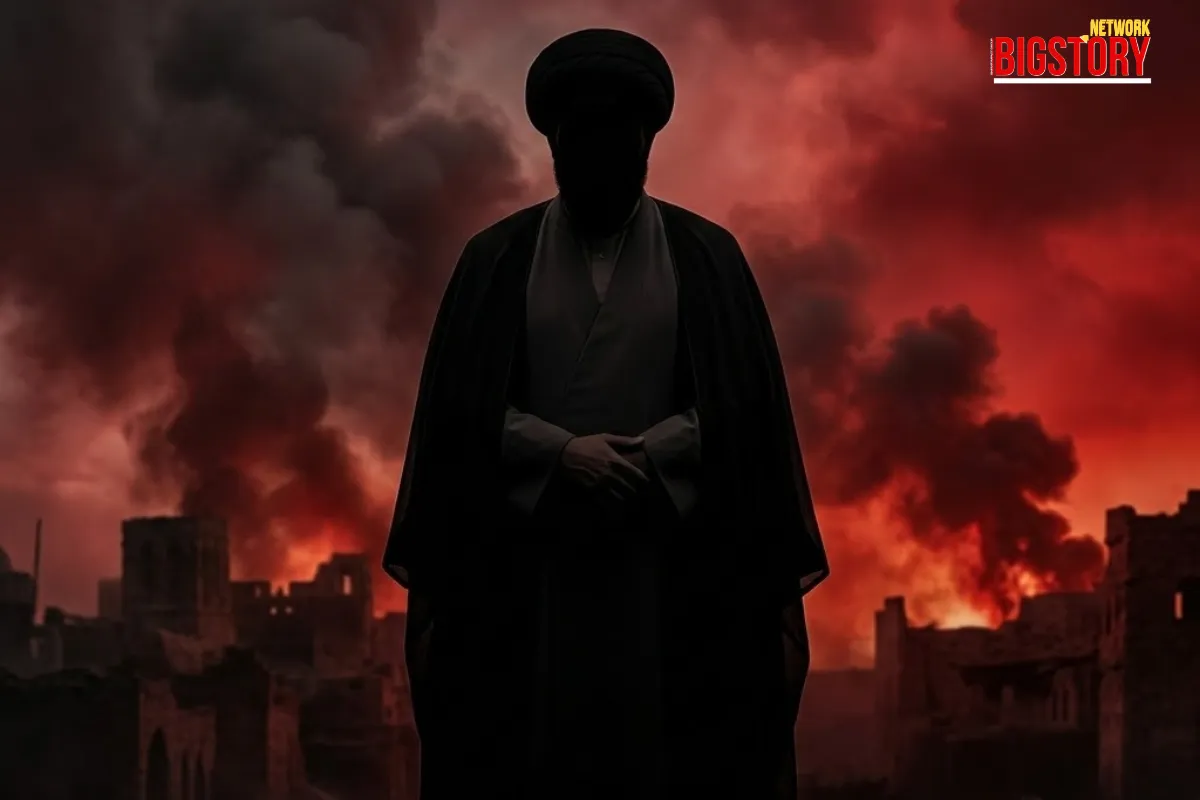
Hero Image

⏱️ 30-Second Brief

Expand to Read

What happened: Iran's Assembly of Experts named Mojtaba Khamenei — 56-year-old son of assassinated Supreme Leader Ali Khamenei — as Iran's third Supreme Leader on March 8, as US-Israeli strikes enter day 10 and oil prices breach $115/barrel. Why it happened: The IRGC pressured the Assembly under wartime conditions to elect Mojtaba — despite internal opposition over his limited theological rank and his father's reported reluctance to name him successor — because he was the hardline continuity candidate the IRGC trusted to prosecute the war. The strategic play: The appointment is a direct act of defiance toward Trump, who called Mojtaba "unacceptable" and threatened his life — with Russia and China immediately providing counterweight by congratulating and defending the new leader. India's stake: India has not formally acknowledged the appointment — a silence that is being read simultaneously in Tehran as possible abandonment, in Washington as possible alignment, and in Beijing as an opening. India's Chabahar access, $115 oil, and 1 crore diaspora all hang on what New Delhi says in the next 48 hours. The deciding question: Whether India formally recognises Mojtaba Khamenei as Supreme Leader — and whether it can do so without triggering a confrontation with Trump, who has made clear he views the appointment as illegitimate.

The new supreme leader mojtaba khamenei of forces New Delhi into its most precarious diplomatic corner of the decade. Iran's Assembly of Experts named 56-year-old Mojtaba Khamenei as the third Supreme Leader just after midnight on March 8, placing a hardline, IRGC-backed cleric at the helm of a nation currently under intense US-Israeli bombardment.

This succession immediately destabilizes global markets and Indian strategic interests. With oil prices breaching $115 per barrel and the vital Chabahar port agreement hanging in the balance, India's continued diplomatic silence on the appointment is rapidly becoming an untenable position that alienates Tehran while inviting American pressure.

How We Got Here

  • The Trigger: Joint US-Israeli strikes on Tehran on February 28 assassinated Supreme Leader Ali Khamenei and top security officials, leaving a sudden power vacuum at the heart of the Islamic Republic.
  • The Background: The Islamic Revolutionary Guard Corps (IRGC) aggressively pressured the Assembly of Experts via in-person meetings under wartime conditions to elect Mojtaba, bypassing his limited theological rank and his father's reported reluctance to name him successor.
  • The Escalation: Following the midnight vote on March 8, US President Donald Trump explicitly threatened the new leader, calling him "unacceptable" and warning he would not last long without American approval.
  • The Stakes: Oil prices surged past $115 per barrel, adding approximately Rs 70 billion to India's annual import bill for every sustained $10 increase, threatening a massive domestic economic shock.

The Key Players

Mojtaba Hosseini Khamenei, Supreme Leader, Iran

The 56-year-old cleric now commands the IRGC, Iran's nuclear programme, and all state affairs. Installed under wartime pressure, he represents a hardline continuity that holds the keys to India's Central Asian trade routes while operating under active American assassination threats.

Donald Trump, President of the United States

Trump transformed a domestic Iranian succession into a global ultimatum. By demanding US approval for any new Iranian leader and threatening Mojtaba's survival, he forces allied and neutral nations to choose between recognizing Iranian sovereignty and triggering American wrath.

S. Jaishankar, External Affairs Minister, India

Jaishankar navigates an actively collapsing balancing act. He briefed the Rajya Sabha on the crisis but maintained a strict official silence regarding Mojtaba's appointment, a posture that endangers India's vast strategic investments in Iran if interpreted as abandonment.

The BIGSTORY Reframe — The Recognition Bind

Mainstream international coverage treats this solely as a story of hardline continuity and Iranian defiance, completely missing the impossible diplomatic bind currently choking New Delhi. India has not officially acknowledged Mojtaba Khamenei's appointment. In the high-stakes theater of West Asia, this silence functions as a deliberate diplomatic posture. Trump publicly threatened to kill the new leader, while Russia and China immediately offered unwavering support. If India formally recognizes Mojtaba, Washington will read it as a direct challenge to Trump's stated ultimatum regarding Iranian regime change.

Conversely, continuing this silence signals alignment with Washington to an already suspicious Tehran. Mojtaba owes his sudden elevation entirely to the IRGC, an organization that expects absolute loyalty and reads diplomatic hesitation as hostility. India's $2 billion trade relationship, its 10-year operating agreement for the Chabahar port bypassing Pakistan, and the physical safety of its 10 million Gulf diaspora are now wholly contingent on a relationship with a man New Delhi currently refuses to publicly recognize.

What This Means for India

  • Chabahar Port at Risk: The 10-year operating agreement granting India direct trade routes to Afghanistan and Central Asia faces imminent cancellation if the IRGC perceives India's diplomatic silence as an alignment with US-Israeli objectives.
  • Energy Security Shock: With India importing 55 percent of its crude from the Gulf and oil crossing $115 per barrel, the government faces an immediate fiscal crisis that a meager 7-week strategic petroleum reserve cannot absorb.
  • The 48-Hour Window: The Ministry of External Affairs must decide within hours whether to issue formal congratulations, breaking its silence and risking Trump's retaliation, or maintain the freeze and permanently alienate Iran's new supreme authority.

The Implications

  • Short Term: Oil markets will price in a prolonged conflict, forcing the Indian government to evaluate immediate domestic fuel price hikes or absorb massive subsidy costs to protect consumers.
  • Medium Term: The 30-day OFAC waiver on Russian oil will become a severe point of friction, as Washington leverages it to force New Delhi into compliance with its regime-change posture in Tehran.
  • India-Specific Consequence: The physical evacuation of Indian nationals from the Gulf will become logistically impossible if the IRGC targets shipping lanes in the Strait of Hormuz in retaliation for foreign non-recognition.

If acknowledging a sovereign nation's new head of state triggers American retaliation, does India's much-touted strategic autonomy actually exist when the bombs start falling?

How We Reported This

News & Wire Coverage:

Official Statements & Data:


Sseema Giill
Sseema Giill Founder & CEO

Sseema Giill is an inspiring media professional, CEO of Screenage Media Pvt Ltd, and founder of the NGO AGE (Association for Gender Equality). She is also the Founder CEO and Chief Editor at BIGSTORY NETWORK. Giill champions women's empowerment and gender equality, particularly in rural India, and was honored with the Champions of Change Award in 2023.

BIGSTORY Trending News! Trending Now! in last 24hrs

The Fog of Infrastructure War: How the US-Israel Split Over Iran's Oil Burns India
International News
The Fog of Infrastructure War: How the US-Israel Split Over Iran's Oil Burns India
The Recognition Bind: How Iran's IRGC-Backed Succession Forces India into an Impossible Corner
International News
The Recognition Bind: How Iran's IRGC-Backed Succession Forces India into an Impossible Corner
The "False Flag" Defense: Why Iran is Blaming Israel for the Attack on Azerbaijan
International News
The "False Flag" Defense: Why Iran is Blaming Israel for the Attack on Azerbaijan
A "Quiet Death": Inside the Historic Submarine Strike That Split the IRIS Dena
International News
A "Quiet Death": Inside the Historic Submarine Strike That Split the IRIS Dena