
By entrenching a survivor's unconditional right to participate in bail hearings, the apex court is structurally dismantling the tradition of deciding a convicted abuser's release behind the victim's back.
 Brajesh Mishra
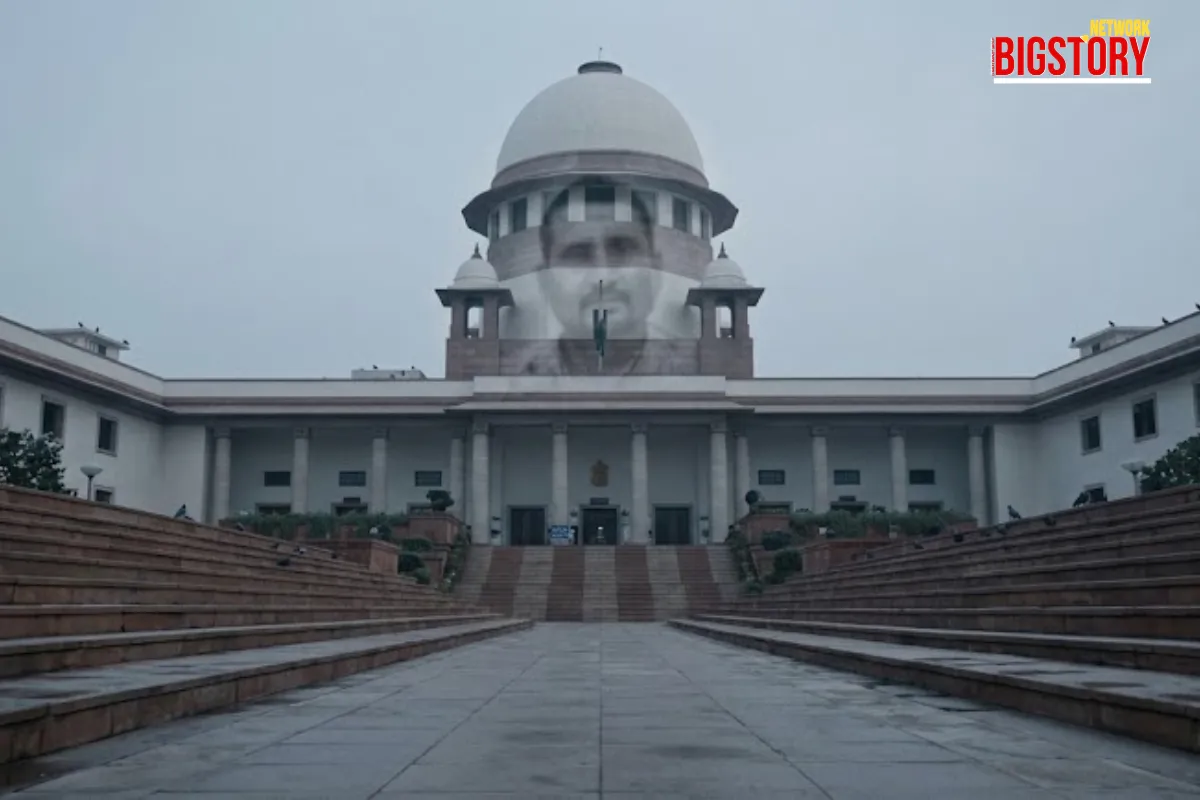
The unnao rape case supreme court victim heard cbi plea sengar bail 2026 order fundamentally shifts the balance of power in Indian courtrooms. On Monday, the Supreme Court formally allowed the survivor to implead as a party in the Central Bureau of Investigation's petition challenging convicted former BJP MLA Kuldeep Singh Sengar's bail. This ruling cements a survivor's unconditional legal right to actively participate in their attacker's release hearings, rather than relying solely on state prosecutors.
This intervention occurs at a critical juncture for POCSO jurisprudence. With Sengar currently serving a life sentence, the apex court's decision ensures the survivor directly confronts a controversial Delhi High Court ruling that attempted to exclude elected lawmakers from the statutory definition of a "public servant," a loophole with devastating national implications.
CJI Surya Kant The Chief Justice of India led today's bench and explicitly cited the 2022 Lakhimpur Kheri ruling—a judgment he authored—to grant the survivor a direct voice. He is actively building a formidable judicial doctrine securing victim participation rights across all stages of criminal proceedings.
Kuldeep Singh Sengar The expelled BJP MLA and convicted rapist remains in custody. His legal counsel urgently pushed the Supreme Court today to fast-track the hearings, arguing that the bail liberty granted to him by the Delhi High Court has been unfairly stalled since late 2025.
The Unnao Rape Survivor The petitioner successfully forced the judiciary to recognize her direct stake in the proceedings. Her formal inclusion allows her legal counsel to present evidence regarding her personal safety and combat attempts to dilute the POCSO Act's application to elected officials.
Mainstream coverage treats Monday's order as a routine procedural update. This ignores the profound doctrinal architecture being built by Chief Justice Surya Kant. By directly applying his own 2022 Lakhimpur Kheri precedent—which established a victim's "unbridled participatory rights"—the Chief Justice is extending that protective framework to one of India's most consequential POCSO convictions. The Supreme Court is dismantling the systemic tradition of deciding a convicted abuser's freedom behind closed doors without the survivor in the room. This establishes a binding precedent that empowers victims to directly contest High Court bail orders across the country.
The secondary, glaring omission in public discourse is the lethal loophole created by the Delhi High Court's December 2025 bail order. By declaring that an elected MLA is not a "public servant" under Section 5(c) of the POCSO Act, the lower court effectively neutered the statute's aggravated offense provisions. These provisions exist specifically to impose harsher sentences on abusers who hold positions of institutional authority over a child. The CBI's Supreme Court plea is no longer just about keeping Kuldeep Sengar in prison; it is a definitive legal battle to ensure the POCSO Act actually protects children from the abuse of political power.
If an elected lawmaker does not qualify as a "public servant" occupying a position of trust over a child, who exactly is the POCSO Act designed to punish?
News & Wire Coverage:
Official Statements & Data:
 Exclusive Content


Sign up for the Daily newsletter to get your biggest stories, handpicked for you each day.



 Trending Now! in last 24hrs


