
In a high-stakes all-party meeting, the government revealed a massive surge in domestic gas production and the formation of seven "Empowered Groups" to insulate the Indian economy from the escalating Middle East war.
 Brajesh Mishra
What happened: The Central Government held a comprehensive all-party meeting on March 25, 2026, to brief political leaders on India's energy and security preparedness amid the West Asia war.
Why it happened: With the conflict entering its fourth week and the Strait of Hormuz blockaded, the government sought to build a national consensus and dispel fears of an impending energy blackout.
The strategic play: Ministers revealed that India has almost doubled domestic gas production (to 60%) and utilized its "Strategic Autonomy" to maintain a safe maritime corridor that other nations currently lack. India's stake: By mobilizing seven "Empowered Groups" to manage essential supplies and inflation, the government is attempting to insulate the domestic economy from what experts are calling the worst energy crisis since the 1970s.
The deciding question: Will the opposition's "sense of solidarity" hold as the economic impact of the war persists, or will the domestic LPG and fertilizer shortages eventually break the political consensus?
The Central Government has officially declared India's energy position as "secure" following a high-stakes all-party briefing in New Delhi. On Wednesday evening, top Union Ministers reassured political leaders across the spectrum that despite the escalating US-Israel-Iran war, India's energy supply lines remain active.
The briefing revealed that India has successfully engineered a significant diplomatic victory, standing as one of the few nations capable of safely moving commercial vessels through the heavily blockaded Strait of Hormuz.
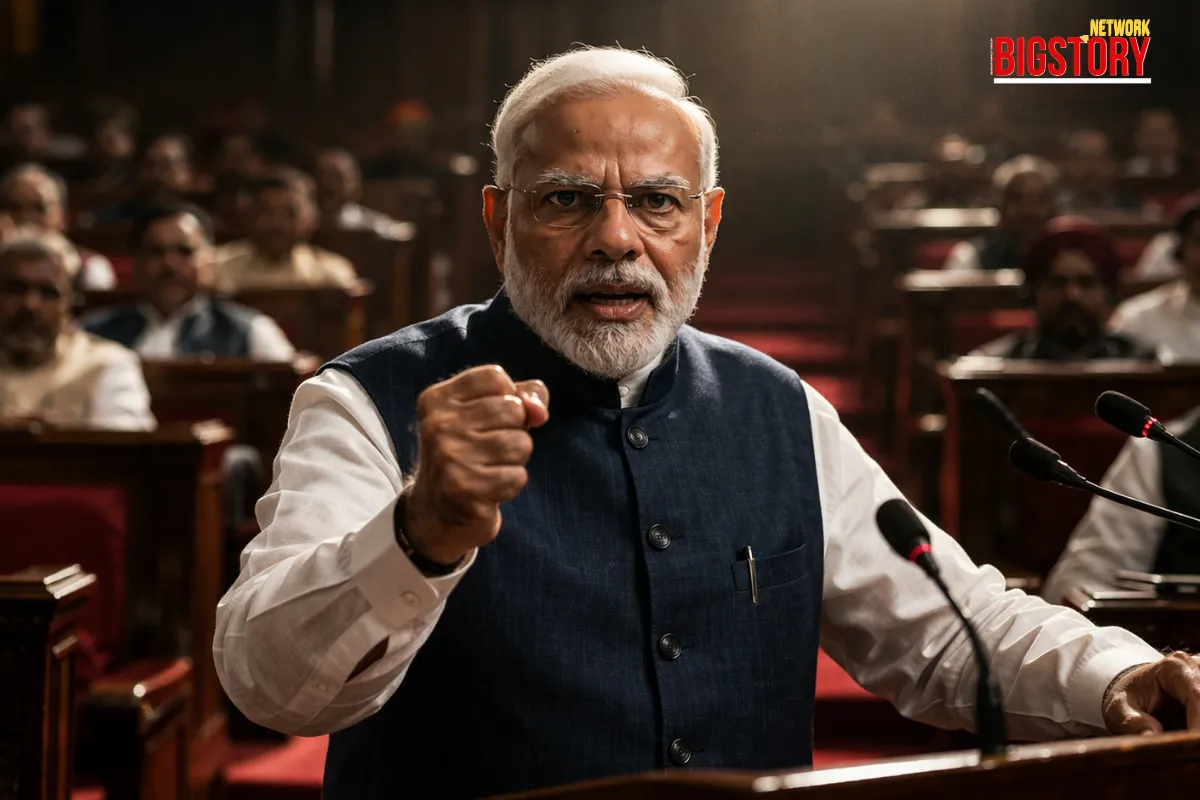
Following PM Narendra Modi's addresses to both Houses of Parliament, where he characterized the West Asia conflict as "worrisome," the government convened the all-party meeting at the Parliament Annexe to build a unified national consensus.
Union Petroleum Minister Hardeep Singh Puri provided the critical data that underpinned the government's confidence, aiming to completely dismantle any emerging panic narratives regarding domestic fuel shortages.
Puri informed the political leaders that India’s domestic gas production has been aggressively ramped up from 28% to 60% since the conflict began, heavily offsetting the disruption of imports. Furthermore, the government confirmed that India maintains 5.3 million metric tonnes (MT) of crude in its Strategic Petroleum Reserve (SPR), with an additional 6.5 million MT currently under development.
The government also noted that the safety of the 1 crore Indians living in the Gulf remains the top priority, confirming that 3.75 lakh nationals have already been safely evacuated or returned from the conflict zone.
While mainstream coverage is focused on the diplomatic win in Hormuz and the absence of certain political figures, the most significant structural detail to emerge from the briefing is the formation of seven "Empowered Groups."
Mimicking the highly centralized administrative strategy used during the 2020 pandemic, the Prime Minister has tasked these groups of experts with micromanaging supply chains for fuel, fertilizers, and gas, while tightly monitoring inflation. This reveals a "Missed Angle": the government is not merely reacting to a foreign war; it is structurally shifting the Indian apparatus into a "War Economy" mode. The objective is to proactively insulate the domestic market to ensure that the severe global price shocks—which the IEA chief notes are larger than the 1970s oil shocks—do not reach the common citizen's kitchen or the farmer's field.
If India can safely navigate its energy fleet through a burning Persian Gulf, is it time for New Delhi to step up from safeguarding its own ships to mediating the peace?
News & Wire Coverage:
 Exclusive Content


Sign up for the Daily newsletter to get your biggest stories, handpicked for you each day.

 Trending Now! in last 24hrs


