
While arithmetic guarantees an Opposition defeat, the unprecedented procedural warfare threatens to derail the critical Finance Bill 2026 and paralyze India's parliamentary machinery.
 Brajesh Mishra
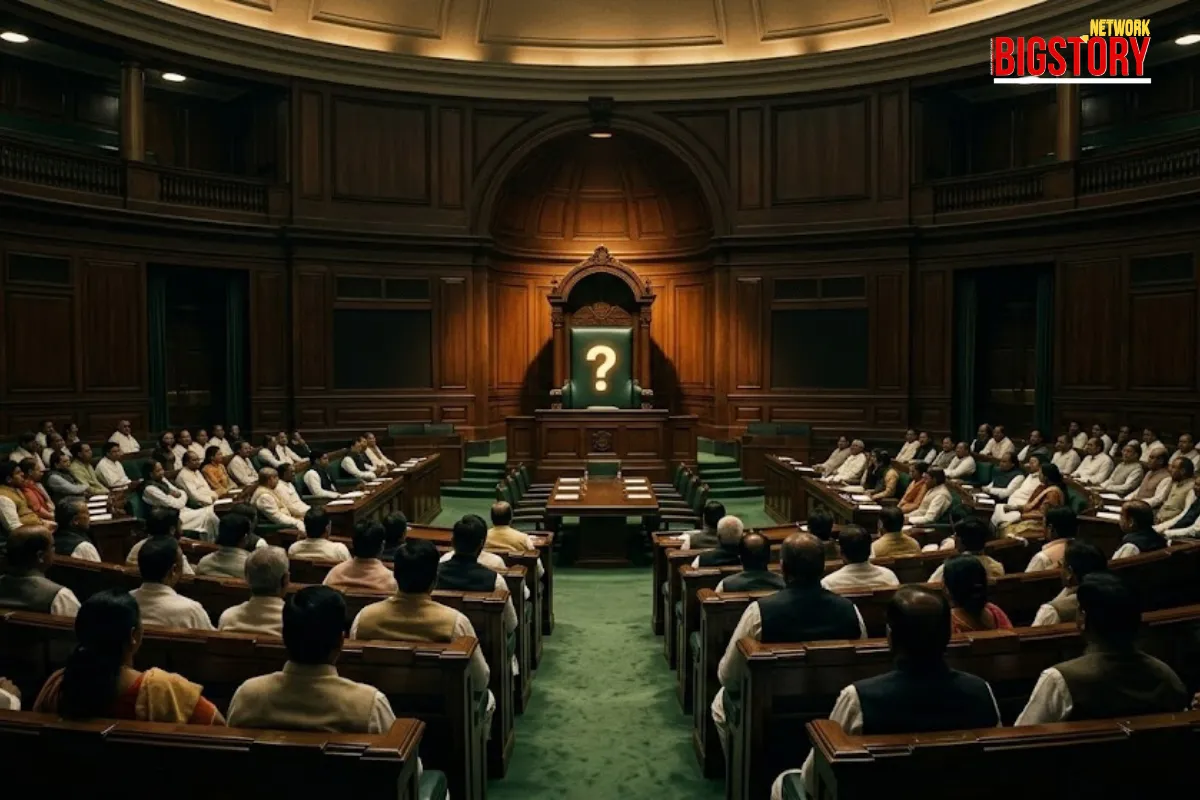
The no confidence motion om birla lok sabha speaker 2026 debate opened on March 9 as the sole agenda item for the second phase of the Budget Session. Backed by 118 INDIA bloc MPs, the resolution marks the fourth time in independent India's history that a sitting Speaker faces a formal removal process.
The arithmetic guarantees an Opposition defeat, as 272 votes are required and the INDIA bloc holds approximately 234 seats. However, this unprecedented confrontation jeopardizes the passage of the critical Finance Bill 2026 by April 2, risking a complete collapse of parliamentary productivity that costs India nearly Rs 10,000 crore daily.
Om Birla, Speaker, Lok Sabha The three-term BJP MP is the direct subject of the removal motion. He stepped aside from the presiding chair as legally mandated by Article 96, awaiting the outcome of the two-day debate to reclaim his constitutional authority.
Mallikarjun Kharge, Congress President The Leader of the Opposition in the Rajya Sabha orchestrated the INDIA bloc's parliamentary strategy. He secured the crucial three-line whip and unified disparate parties like the TMC to project maximum opposition strength on the floor.
Rahul Gandhi, Leader of the Opposition, Lok Sabha Gandhi serves as the central catalyst for the crisis. His repeated silencing on national security issues and PM security protocols forms the core grievance driving the Opposition's unprecedented push against the Speaker's chair.
Mainstream coverage dismisses this motion as a purely mathematical exercise resulting in a guaranteed BJP victory. This ignores the severe institutional damage inflicted upon the Speaker's chair. By forcing a formal legislative challenge, the Opposition effectively places a permanent asterisk on Birla's impartiality. The narrative that Birla "voluntarily" stepped aside on moral grounds obscures the fact that Article 96 constitutionally bars him from presiding, highlighting a deeper crisis of democratic procedure over political optics.
The true cost of this confrontation is legislative paralysis. With eight opposition MPs already suspended and the Finance Bill 2026 mandating passage by April 2, India's economic governance hangs in the balance. Parliamentary disruptions drain an estimated Rs 10,000 crore daily from the national exchequer. The Opposition leverages this motion not to win a vote, but to extract major concessions—such as reinstating suspended MPs and securing debate time for the West Asia crisis—before passing the nation's budget.
If the Speaker requires a three-line whip to survive a formal vote of no confidence, does the chair still possess the moral authority necessary to govern the world's largest democracy?
News & Wire Coverage:
Official Statements & Data:
 Exclusive Content


Sign up for the Daily newsletter to get your biggest stories, handpicked for you each day.


 Trending Now! in last 24hrs