BIGSTORY Network


Bharat One March 6, 2026, 4:53 p.m.

The "Guest Privilege" Trap: Why Iran is Keeping the Strait of Hormuz Open for India

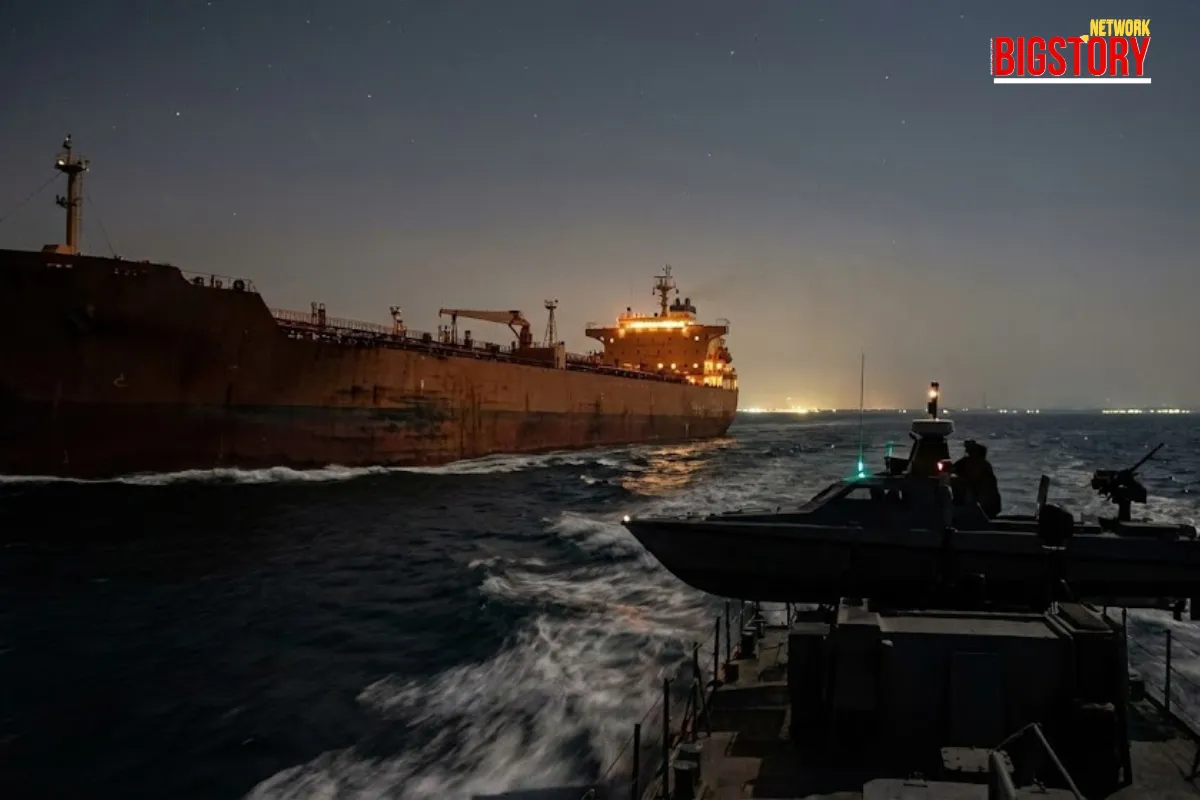
Iranian Deputy Foreign Minister Saeed Khatibzadeh confirms the Strait of Hormuz remains open during the Raisina Dialogue in New Delhi. Inside the "INDIA DESTINATION" maritime loophole.

by Author Sseema Giill
Hero Image

⏱️ 30-Second Brief

Expand to Read

None

The global economy just breathed a massive, collective sigh of relief in New Delhi. Speaking at the prestigious Raisina Dialogue on Friday, Iranian Deputy Foreign Minister Dr. Saeed Khatibzadeh defused the most terrifying economic threat of the 2026 West Asia conflict. Dismissing widespread fears of a total maritime blockade, Khatibzadeh declared that Iran remains an "anchor of stability" in the Persian Gulf and clarified that Tehran has no immediate intention of shutting down the Strait of Hormuz.

This matters because the global supply chain was on the brink of collapse. Following the U.S.-Israeli strikes on February 28, the Islamic Revolutionary Guard Corps (IRGC) declared the Strait "closed to unauthorized vessels," causing maritime traffic to plummet by 70%. When a U.S. submarine sank the Iranian warship IRIS Dena on March 4, analysts braced for total closure. Khatibzadeh’s announcement in the Indian capital is a calculated de-escalation, signaling that Iran is choosing high-stakes diplomacy with the Global South over a scorched-earth economic war with the West.

The "BigStory" Angle (The "Guest Privilege" Leverage & AI Spoofing)

Mainstream media is portraying this purely as Iran backing down from an unwinnable blockade. They are entirely missing the diplomatic trap of "Guest Privilege" Leverage.

Iran is masterfully framing the tragic sinking of the IRIS Dena—which was returning from India's MILAN 2026 naval exercises—not as a military defeat, but as a violation of "Indian hospitality." By officially declaring the Strait "open" while standing on Indian soil, Tehran is subtly shaming New Delhi. The subtext is clear: We are keeping your oil flowing despite the U.S. murdering our sailors who were just your guests. This effectively turns the energy corridor into a diplomatic trap, pressuring India to become a louder critic of American naval operations.

Furthermore, watch the AI Transponder Spoofing. On the water, a desperate new tactic has emerged. Reports indicate that commercial tankers are using AI-driven transponder management to spoof their Automatic Identification System (AIS) data, aggressively broadcasting "INDIA DESTINATION" to nearby receivers. Ship captains are betting that this digital Indian identity will trigger the IRGC’s unofficial exemption protocols, allowing them to slip past Iranian boarding parties untouched.

The Context (Rapid Fire)

  • The Trigger: Operation Epic Fury plunged the region into war, leading global insurers to instantly strip "War Risk" coverage from the Persian Gulf, leaving over 150 tankers anchored and paralyzed outside the Strait.
  • The Backstory: The IRIS Dena had just departed Visakhapatnam, India, when it was sunk by an American torpedo off Sri Lanka. Iranian Foreign Minister Araghchi condemned the strike on a "guest of India's Navy," vowing the U.S. would bitterly regret it.
  • The Escalation: Tensions remained hot inside the Raisina Dialogue. When questioned about President Donald Trump's "Operation Epic Fury," Khatibzadeh openly mocked the U.S. administration's "colonial approach," noting the irony of Washington demanding regime change in Iran when Trump "can't even appoint the mayor of New York."

Key Players (The Chessboard)

  • Saeed Khatibzadeh (The Messenger): Iran's Deputy Foreign Minister, who traveled to New Delhi to manage the diplomatic fallout of the IRGC's blockade threats and assure the Global South of safe passage.
  • Donald Trump (The Adversary): The U.S. President whose military campaign triggered the crisis, and who remains the primary target of Tehran's diplomatic mockery and military retaliation.
  • Seyed Abbas Araghchi (The Strategist): Iran's Foreign Minister, actively linking the safety of international maritime routes to the unprovoked sinking of the IRIS Dena to isolate Washington diplomatically.

The Implications (Your Wallet & World)

  • Short Term (Energy Markets & Logistics): For shipping operators, the immediate action item is transponder discipline. Ensure AIS signals clearly identify Indian or neutral destinations to comply with the IRGC’s unofficial "responsible power" exemption. Expect the Indian Rupee (which recently hit a record low of ₹82.80+) and global oil prices to stabilize slightly, though markets will remain highly volatile.
  • Long Term (The Ceasefire Window): By keeping the Strait open, Iran has preserved its most powerful bargaining chip. Diplomatic backchannels are currently being established, and eyes are now turning to Geneva next week to see if this maritime relief can be converted into a formal, regional ceasefire.

The Closing Question

Iran is keeping the oil flowing for neutral nations like India and China, while demanding that they condemn U.S. military actions in return. Will India’s "Chess Mentality" diplomacy allow it to secure its energy needs without permanently alienating Washington? Tell us in the comments.

FAQs

  • Q: Is the Strait of Hormuz open for Indian vessels today?
  • A: Yes. On March 6, 2026, Iranian Deputy Foreign Minister Saeed Khatibzadeh confirmed in New Delhi that the Strait of Hormuz has not been closed and that Iran intends to maintain stability in the waterway, providing safe passage for Indian and neutral shipping.
  • Q: What did Iran’s Deputy FM say at the Raisina Dialogue 2026?
  • A: Dr. Saeed Khatibzadeh stated that Iran is an "anchor of stability" in the Gulf, explicitly denying that the Strait of Hormuz had been closed. He also heavily criticized U.S. military actions and President Donald Trump's regional policies.
  • Q: Why did the U.S. sink the Iranian ship IRIS Dena?
  • A: The U.S. submarine strike on the IRIS Dena off the coast of Sri Lanka was part of "Operation Epic Fury," a broader military campaign aimed at neutralizing Iranian military and naval capabilities following the collapse of nuclear negotiations.
  • Q: How does the Iran-Israel war affect India's LPG and LNG supply?
  • A: The conflict poses a massive risk to India's energy security, as a vast majority of its LPG, LNG, and crude oil imports transit the Strait of Hormuz. Iran's recent assurance to keep the Strait open temporarily stabilizes India's supply chain and currency markets.

Sources:


Sseema Giill
Sseema Giill Founder & CEO

Sseema Giill is an inspiring media professional, CEO of Screenage Media Pvt Ltd, and founder of the NGO AGE (Association for Gender Equality). She is also the Founder CEO and Chief Editor at BIGSTORY NETWORK. Giill champions women's empowerment and gender equality, particularly in rural India, and was honored with the Champions of Change Award in 2023.

BIGSTORY Trending News! Trending Now! in last 24hrs

The $2.6 Billion Reset: What the Historic India-Canada Nuclear Deal Means for Energy
Bharat One
The $2.6 Billion Reset: What the Historic India-Canada Nuclear Deal Means for Energy
A Broken Council: What Finland's Endorsement Means for India's Permanent UN Seat
Bharat One
A Broken Council: What Finland's Endorsement Means for India's Permanent UN Seat
The China Playbook: How the U.S. is Capping India's Economic Rise in the Indo-Pacific
Bharat One
The China Playbook: How the U.S. is Capping India's Economic Rise in the Indo-Pacific
Sovereignty vs. Sanctions: Inside Washington’s Desperate Move to Save Global Oil
Bharat One
Sovereignty vs. Sanctions: Inside Washington’s Desperate Move to Save Global Oil