BIGSTORY Network


India March 11, 2026, 4:05 p.m.

The Fertilizer Timebomb: The Real Reason Behind India's Emergency LPG Rationing

As the Strait of Hormuz blockade chokes off 90 percent of India's gas imports, the Centre has invoked emergency laws to protect domestic kitchens—quietly sacrificing the MSME hospitality sector and the nation's agricultural supply chain.

by Author Brajesh Mishra
Hero Image

⏱️ 30-Second Brief

Expand to Read

What happened: A severe disruption of shipments through the Strait of Hormuz has triggered a massive LPG and LNG shortage across India. Why it happened: The escalating US-Israel-Iran war has halted maritime traffic, forcing major suppliers like QatarEnergy to issue force majeure notices on gas deliveries to India. The strategic play: To prevent mass panic, the Indian government invoked the Essential Commodities Act to prioritize cooking gas for domestic households over commercial and industrial users. India's stake: While households are protected via a strict 25-day refill rule, the rationing has halted commercial supplies, threatening to permanently shut down up to 60% of restaurants and severely cutting gas to fertilizer plants. The deciding question: How long can India's economy sustain this emergency rationing before the collapse of the hospitality sector and a shortage of agricultural fertilizers trigger a wider recession

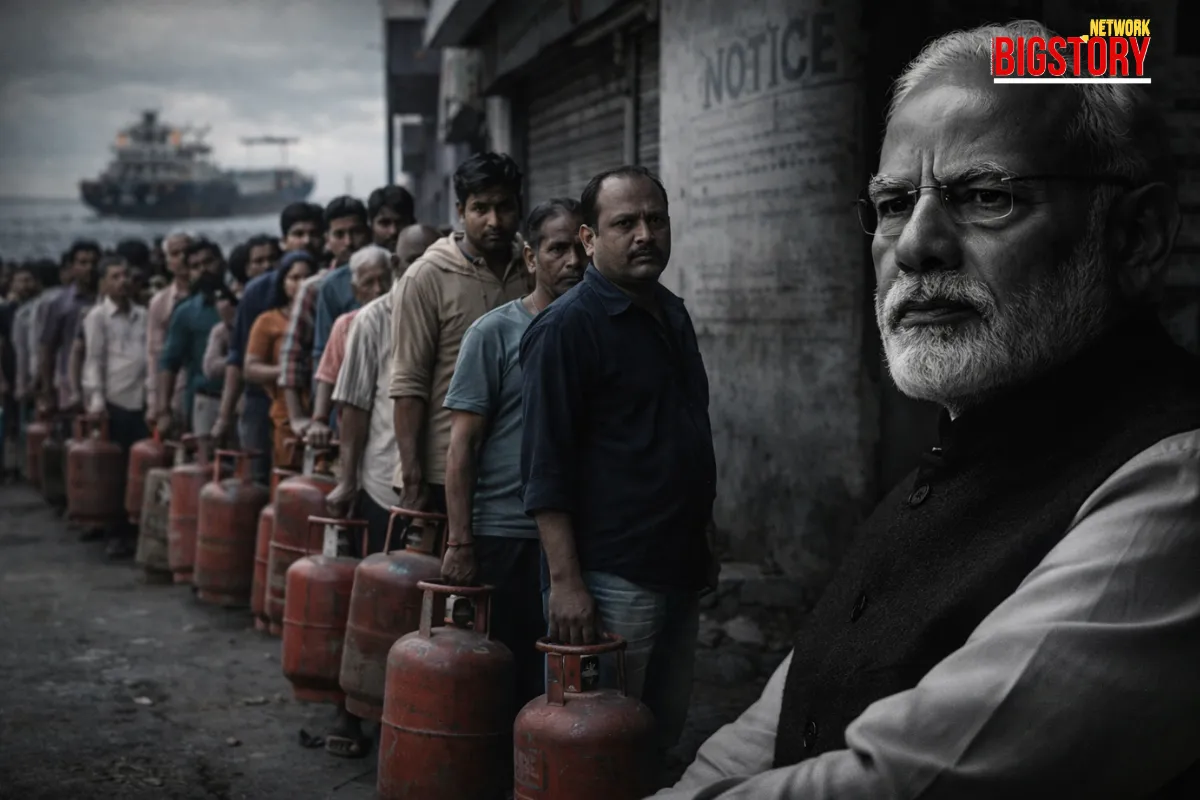
Millions of citizens and business owners are waking up to shuttered restaurants and long agency queues, asking exactly why is there an LPG crisis in India in early 2026. The answer lies thousands of miles away in the Persian Gulf. As the escalating US-Israel-Iran war physically chokes off the Strait of Hormuz—the maritime artery responsible for up to 90 percent of India's LPG imports—the Union Government has been forced to invoke the Essential Commodities Act to fiercely ration whatever cooking gas remains onshore.

This immediate supply chain collapse has brought India's urban hospitality sector to its knees. With oil marketing companies freezing commercial gas allocations to prioritize household domestic cylinders, the National Restaurant Association of India (NRAI) warns that over half of the country's eateries could shut down within days, threatening the livelihoods of millions and exposing the fatal fragility of India's energy grid.

How We Got Here

  • The Trigger: In late February and early March 2026, tensions between the US, Israel, and Iran exploded into an active regional conflict, abruptly halting commercial tanker traffic through the critical Strait of Hormuz.
  • The Background: Facing a total maritime blockade, major suppliers including QatarEnergy issued force majeure notices to Indian importers, effectively voiding their long-term supply contracts.
  • The Escalation: On March 5, the Ministry of Petroleum and Natural Gas ordered all domestic oil refining companies to maximize their LPG production output to shield everyday households.
  • The Stakes: By March 9, the Centre invoked the Essential Commodities Act of 1955, legally mandating the diversion of natural gas to priority sectors. Within 48 hours, commercial deliveries in Bengaluru, Mumbai, and Delhi were frozen.

The Key Players

Sagar Daryani, President, National Restaurant Association of India (NRAI)

Representing over five lakh restaurants nationwide, Daryani issued a dire warning regarding the survival of India's hospitality MSMEs. He stated that 50 to 60 percent of restaurants will be forced to shut their doors if commercial LPG supplies are not resumed by mid-week.

Ministry of Petroleum and Natural Gas, Government of India

Operating in crisis mode, the Ministry utilized its absolute emergency powers under the Essential Commodities Act to strictly regulate gas distribution. Their strategy sacrifices commercial and industrial allocations entirely to ensure retail voter panic does not erupt over empty household cylinders.

GAIL (Gas Authority of India Limited)

The state-run gas distributor is currently tasked with the logistical nightmare of managing the diversion and redistribution of natural gas from non-priority sectors following the devastating collapse of its long-term LNG supply contracts from Qatar.

The BIGSTORY Reframe — The Fertilizer Timebomb

Mainstream outlets are heavily focused on the consumer-facing chaos: the long queues at local gas agencies, the technical crashes in online IVRS booking systems, and popular local restaurants cutting their menus down to just tea and coffee. While visually compelling, this perspective completely misses the deeper structural threat written into the fine print of the government's Natural Gas (Supply Regulation) Order, 2026.

By invoking the Essential Commodities Act, the Centre did more than just ban blue commercial cylinders. It legally mandated that essential fertilizer plants will now only receive 70 percent of their historical gas consumption. In order to protect urban kitchens from running dry, the government is quietly starving the agricultural sector of the fundamental inputs required for domestic urea production. India already imports roughly 60 percent of its DAP; forcibly throttling local urea production just weeks before the critical kharif (monsoon) sowing season sets the stage for a catastrophic, unmanageable food inflation crisis by the third quarter of 2026.


What This Means for India

  • Agricultural Emergency: The Ministry of Chemicals and Fertilizers must urgently outline an emergency procurement strategy for finished urea and DAP from global spot markets to offset the domestic production shortfall before planting begins.
  • Hospitality Collapse: The newly formed OMC review panel must instantly carve out a survival quota of commercial LPG to prevent the permanent bankruptcy of millions of small food businesses, cloud kitchens, and street vendors.
  • The 25-Day Rule: The government's new, strict 25-day mandatory waiting period between domestic cylinder bookings highlights just how thin India's strategic reserves truly are, confirming that emergency buffers cannot outlast a prolonged Hormuz blockade.

The Implications

  • Short Term: Urban residents reliant on mess services, daily restaurant meals, and cloud kitchens will face immediate food availability disruptions as commercial eateries shutter their doors this week.
  • Medium Term: Without a swift resolution to the Gulf shipping freeze, the deliberate diversion of industrial gas will severely dent India's manufacturing output, dragging down Q1 and Q2 GDP metrics.
  • India-Specific Consequence: The crisis shatters the illusion of India's energy independence, proving that importing 60 percent of the nation's total LPG requirements from a singular, highly volatile geographic chokepoint is a terminal strategic flaw.

If the government must choose between feeding the nation's urban tech workers today or producing the fertilizer required to grow the nation's food tomorrow, what does "energy security" actually mean?

Sources

News & Wire Coverage:

Official Statements & Data:

  • Institutional Record: Ministry of Petroleum and Natural Gas invokes Essential Commodities Act — March 9, 2026

  • Institutional Record: QatarEnergy issues force majeure notices to Indian gas importers — March 5, 2026


Brajesh Mishra
Brajesh Mishra Associate Editor

Brajesh Mishra is an Associate Editor at BIGSTORY NETWORK, specializing in daily news from India with a keen focus on AI, technology, and the automobile sector. He brings sharp editorial judgment and a passion for delivering accurate, engaging, and timely stories to a diverse audience.

BIGSTORY Trending News! Trending Now! in last 24hrs

The Anti-Corruption Upgrade: Why the ₹8.69 Lakh Crore Jal Jeevan Mission Extension Changes Everything
India
The Anti-Corruption Upgrade: Why the ₹8.69 Lakh Crore Jal Jeevan Mission Extension Changes Everything
The Death of Cooperative Federalism: Why Kerala's Cabinet Boycotted PM Modi's Kochi Roadshow
India
The Death of Cooperative Federalism: Why Kerala's Cabinet Boycotted PM Modi's Kochi Roadshow
The Infrastructure Credit War: PM Modi's Kochi Roadshow Ignites a Federal Crisis in Kerala
India
The Infrastructure Credit War: PM Modi's Kochi Roadshow Ignites a Federal Crisis in Kerala
The Fertilizer Timebomb: The Real Reason Behind India's Emergency LPG Rationing
India
The Fertilizer Timebomb: The Real Reason Behind India's Emergency LPG Rationing