
As a massive Saudi crude shipment sneaks through the blockaded Strait of Hormuz by blinding its tracking systems, the voyage exposes the terrifying vulnerability of India's energy supply lines.
 Brajesh Mishra
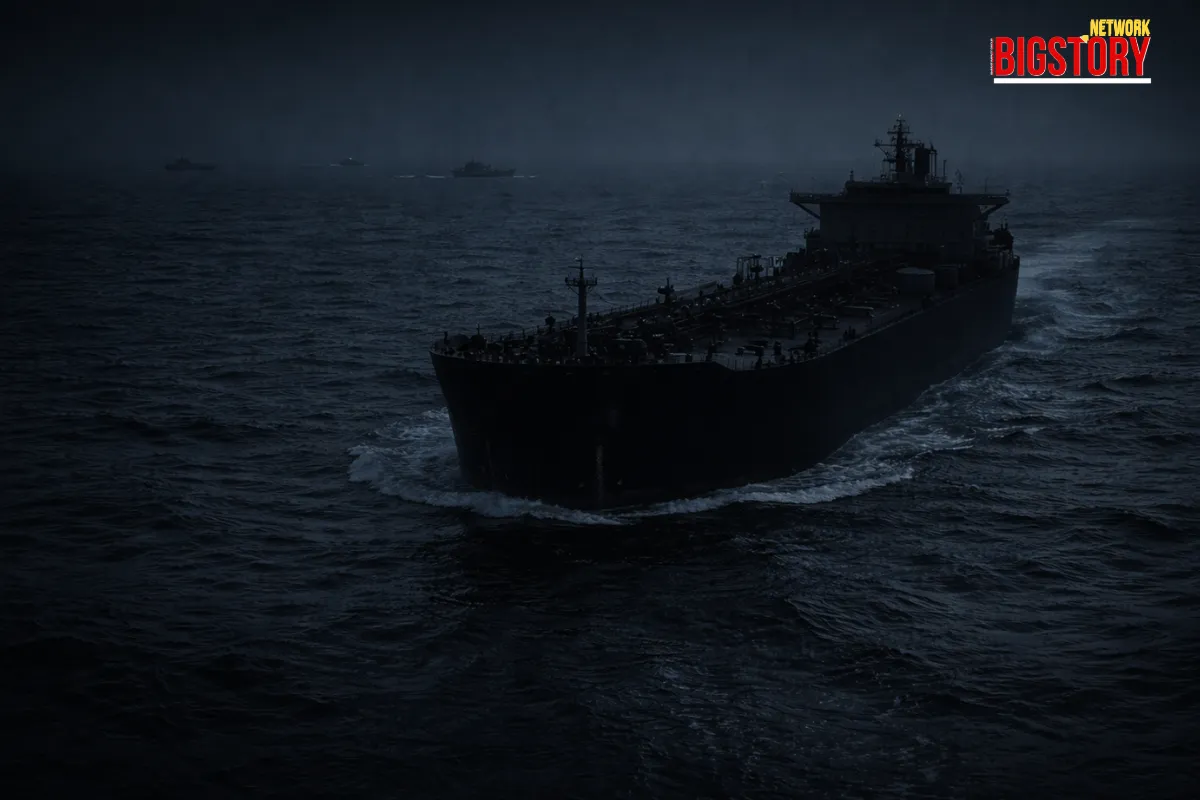
What happened: A massive crude oil tanker from Saudi Arabia safely arrived in Mumbai, becoming the first India-bound vessel to cross the Strait of Hormuz since the US-Iran war escalated.
Why it happened: The Indian captain of the Shenlong successfully navigated the blockade by deactivating the ship's tracking systems and going "dark" to evade detection by Iranian forces.
The strategic play: With military escorts unavailable, commercial shipping companies are resorting to highly dangerous radar-evasion tactics to keep global energy supply chains moving. India's stake: The delivery of 1 million barrels of crude provides crucial relief to local refineries, but it exposes the extreme vulnerability of India's import-dependent energy corridor.
The deciding question: Can India sustain its 5-million-barrel daily crude requirement by relying on ships sneaking through a warzone, or will the government secure a formalized safe-passage agreement?
The successful arrival of the saudi oil tanker shenlong mumbai 2026 shipment has brought a brief, massive sigh of relief to India's suffocating energy sector. On Wednesday, the Liberia-flagged Suezmax vessel safely docked at the Jawahar Dweep Terminal, successfully delivering 135,335 metric tonnes of critical crude oil to refineries in Mahul.
However, this successful delivery is not a testament to secure global shipping—it is the result of extreme tactical desperation. To bypass the active blockade in the Strait of Hormuz, the Indian-commanded vessel was forced to intentionally turn off its tracking systems and navigate the world's most dangerous maritime chokepoint completely "in the dark," dodging Iranian surveillance and effectively acting as a stealth submarine to keep India's lights on.
Sukshant Singh Sandhu, Captain of the Shenlong The Indian national commanded the massive vessel and successfully executed the risky radar-evasion strategy. His decision to guide a slow-moving, explosive cargo through an active warzone without military escort ultimately secured critical energy supplies for his home country.
Alireza Tangsiri, Commander, IRGC Naval Force Rear Admiral Tangsiri confirmed that Iranian forces are actively targeting ships that cross the Strait without explicit regime permission. He pointedly cited recent strikes on vessels that ignored warnings, emphasizing the severe, lethal risk the Shenlong faced during its transit.
Directorate General of Shipping, India The national maritime regulator is actively monitoring the fallout of the blockade. While celebrating the Shenlong's arrival, the Directorate reported that 28 Indian-flagged vessels are still operating in the Persian Gulf, with 24 nervously stranded west of the Strait.
Mainstream media networks are universally celebrating the arrival of the Shenlong, focusing on the technical mechanics of the AIS transponder and how international maritime laws occasionally permit captains to blind their signals in pirate or conflict zones. While the delivery is a logistical victory, treating this as a sustainable supply chain model is a dangerous delusion.
The "Dark Mode" strategy is an act of pure desperation. An Indian-captained ship carrying a million barrels of highly flammable crude had to literally hide its identity, blind its location to international rescue authorities, and sneak through an active warzone just to deliver baseline energy to Mumbai. India consumes a staggering 5 million barrels of crude oil every single day. Relying on commercial tankers to act like military stealth vessels significantly increases the risk of catastrophic maritime collisions or accidental missile strikes. A $4 trillion economy simply cannot run by hoping independent captains successfully dodge Iranian drones in the dark.
If India requires 5 million barrels of crude every single day, how long can its economy survive by relying on commercial sailors playing hide-and-seek with Iranian missiles?
News & Wire Coverage:
Official Statements & Data:
 Exclusive Content


Sign up for the Daily newsletter to get your biggest stories, handpicked for you each day.



 Trending Now! in last 24hrs


