
Iranian FM Abbas Araghchi calls Oman talks with the U.S. a 'good start' but says they are 'over for now.' Inside the high-stakes nuclear negotiations in Muscat.
 Sseema Giill
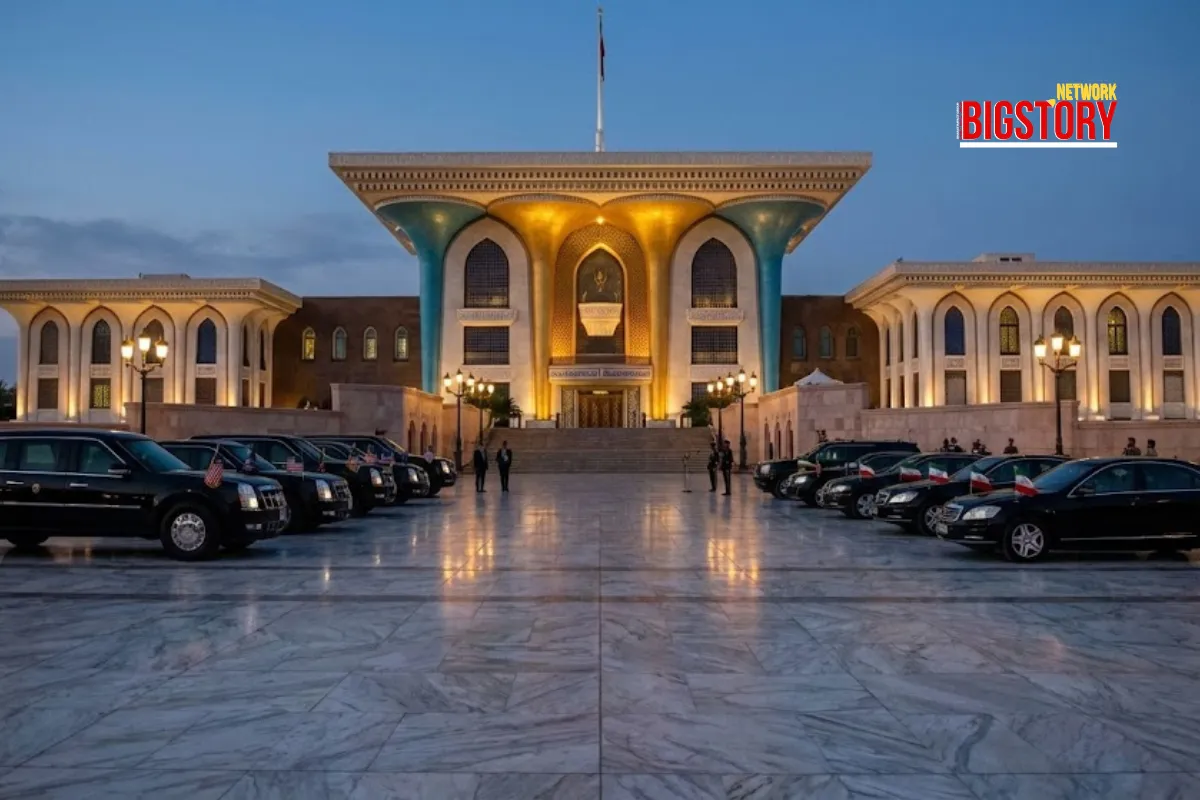
Iranian Foreign Minister Abbas Araghchi declared today that indirect nuclear negotiations with the United States in Muscat, Oman, have yielded a "very good start," yet he cautioned that the current round is "over for now." Speaking to Iranian state television from the Omani capital, Araghchi confirmed that while a "positive path" and potential framework for de-escalation have been identified, both delegations are returning to their respective seats of power for high-level consultations before the next phase of diplomacy.
This diplomatic pause comes at a moment of extreme regional fragility. These talks—the first since the "12-day war" in June 2025 decimated Iranian centrifuges—were nearly scuttled earlier this week after President Donald Trump threatened a massive military strike. The "Muscat Pause" signals that while Tehran is desperate for sanctions relief amid a brutal domestic crackdown and a crippled air defense system, it is not yet ready to accept the U.S. demand to expand the agenda beyond nuclear enrichment to include ballistic missiles.
Abbas Araghchi (Foreign Minister, Iran): The Diplomat. Tasked with the impossible: securing sanctions relief to stop the Iranian Rial’s collapse without appearing to surrender the country’s "nuclear rights" to the U.S.
Steve Witkoff (U.S. Special Envoy): The Trump Negotiator. Accompanied by Jared Kushner, Witkoff is operating a "Direct-to-White-House" channel, bypassing traditional diplomatic bureaucracy to deliver Trump’s "Deal or Strike" ultimatum.
Badr al-Busaidi (Foreign Minister, Oman): The Bridge. By preventing direct face-to-face contact, he allowed both sides to save face, ensuring that "consultations" could continue without a public walkout.
The mainstream media is portraying this as a return to "nuclear diplomacy," but the real story is Survival via Stall. After the air defense failures of June 2025 and the internal revolts of January 2026, the Iranian regime is at its weakest point since the 1979 Revolution.
Araghchi’s "good start" is a lifeline intended to calm the streets of Tehran, not a sign of a looming treaty. The U.S., meanwhile, is using the "armada" threat to force a "Grand Bargain" that includes missiles—a demand Tehran previously called a "red line." The "pause" is a strategic countdown: Iran is checking if it can wait out the U.S. military buildup, while the Trump administration is checking if the regime's internal fissures will force a total surrender.
Can a regime built on "Death to America" survive a "Life-Saving Deal" with Donald Trump, or is the Muscat "pause" merely the quiet before a final military storm?
What happened at the US-Iran talks in Oman today? Iranian Foreign Minister Abbas Araghchi stated that indirect talks with the U.S. in Muscat were a "very good start," but they have paused so negotiators can consult with their leaders in Tehran and Washington.
Did Iran agree to stop its nuclear program? No formal deal was reached. Iran maintains it will only discuss the nuclear file, while the U.S. is pushing to include ballistic missiles and human rights in any final agreement.
Who represented the U.S. at the Muscat talks? The U.S. delegation was led by Special Envoy Steve Witkoff and included senior adviser Jared Kushner.
Why are the US and Iran talking now? Tehran is seeking an end to crippling sanctions following a severe domestic crackdown and military losses in 2025, while the Trump administration is using "maximum pressure" to force a broader deal.
Is there a threat of war between the US and Iran? Yes. President Trump has deployed a massive naval "armada" to the region and warned that military strikes remain an option if diplomacy fails to yield a comprehensive deal.
News Coverage
Context & Analysis
 Exclusive Content


Sign up for the Daily newsletter to get your biggest stories, handpicked for you each day.



 Trending Now! in last 24hrs


