
As the geopolitical energy shock cripples commercial LPG supplies, massive IT parks are shifting the burden of daily meals onto stranded tech workers, turning a strict return-to-office mandate into a human resources nightmare.
 Brajesh Mishra
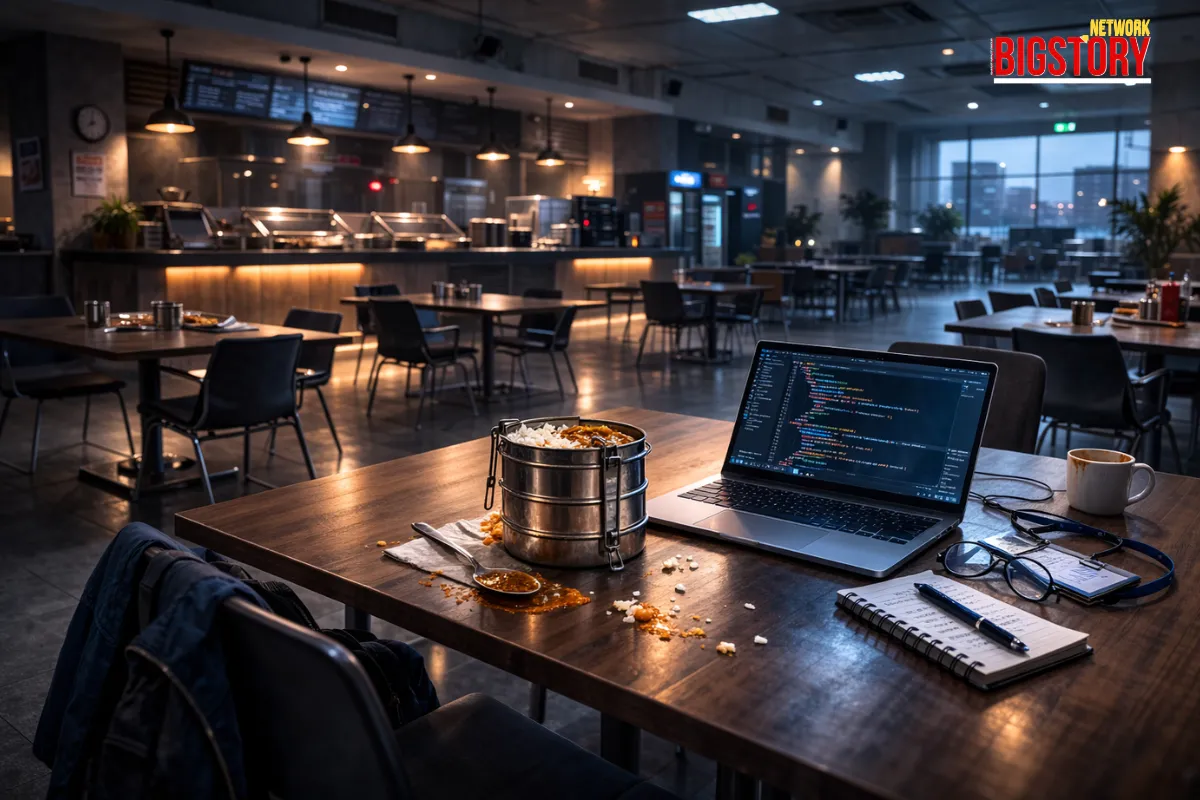
What happened: Top Indian IT companies, including Infosys, TCS, Cognizant, and Wipro, have drastically cut cafeteria menus and asked employees to bring their own lunch boxes.
Why it happened: The government invoked the Essential Commodities Act to ration cooking gas amid the Middle East war, effectively choking off the commercial LPG supplies required to run massive corporate kitchens.
The strategic play: IT firms are shutting down gas-heavy "live counters" (like dosas and fast food) and shifting to induction-cooked basic meals like dal-rice to stretch their remaining fuel reserves.
India's stake: The gas crunch has trapped migrant tech workers who face strict 5-day office attendance mandates but now have no reliable food access at work, while their local PG accommodations are also running out of gas.
The deciding question: Will IT giants temporarily reinstate "work from hometown" policies, or will they force employees to navigate a deepening urban food crisis just to maintain office attendance?
A severe geopolitical energy shock has crashed directly into corporate India's return-to-office mandates. On Monday, major Indian IT conglomerates—including TCS, Infosys, Cognizant, and Wipro—drastically scaled back their corporate cafeteria operations. Triggered by the ongoing tech companies canteen lpg crisis india 2026, firms have been forced to shut down live cooking counters and issue internal advisories asking employees to "bring your own lunch box," exposing the absolute fragility of massive campus infrastructures.
This is the immediate downstream reality of the Strait of Hormuz blockade. With the central government invoking the Essential Commodities Act to prioritize domestic household cooking gas, commercial LPG deliveries to massive corporate caterers have evaporated. The result is an unprecedented human resources crisis where hundreds of thousands of urban tech workers are suddenly left stranded without access to daily meals during their mandated office shifts.
Top Indian IT Firms (Infosys, TCS, Wipro, Cognizant) These technology conglomerates have been forced to rapidly dismantle their massive, highly organized campus food infrastructures. Unable to secure commercial LPG, they have abruptly shifted the burden of arranging daily meals onto their employees. As one internal communication noted: "We have been advised to bring our own tiffin as the LPG supply shortage has caused a reduction in the variety of menu options."
Pavanjit Mane, President, Forum for IT Employees (FITE) Maharashtra Mane is actively advocating for immediate relief for the hundreds of thousands of migrant IT workers currently trapped between strict office mandates and empty cafeterias. "We urge IT companies to allow a 'work from hometown' option for the time being, till LPG gas supply is streamlined and canteens run back to normal," Mane stated.
Bengaluru PG Operators Residential housing providers are the second half of this urban crisis. Local PG operators have issued stark notices to tech workers stating that global supply chain disruptions have severely limited gas availability. "Our current LPG stock will last for approximately 7 days only," read a widespread notice, leaving migrant employees with no food options either at work or at home.
Mainstream business media is treating this development largely as a quirky lifestyle inconvenience—running headlines about the disappearance of office dosas and samosas, alongside the sudden corporate scramble to purchase electric induction cooktops. This framing entirely misses the structural paradox currently trapping India's tech workforce: the Return-to-Office (RTO) collision.
Over the past twelve months, IT giants aggressively mandated a strict 5-day return-to-office policy, arguing that "campus collaboration" was essential for productivity. However, these massive, self-contained tech parks cannot physically function without immense logistical supply chains. By forcing employees to commute to the office while simultaneously failing to provide basic food services, companies have turned a geopolitical fuel crisis into a deeply localized labor nightmare.
Migrant workers rely heavily on corporate canteens and their PG accommodations for daily meals. With tech park food courts shutting down, PG kitchens running out of commercial cylinders, and local restaurants charging exorbitant black-market prices for food, employees are quite literally running out of ways to feed themselves.
If a multi-billion dollar tech conglomerate cannot secure the fuel to cook a plate of rice, how long can they reasonably demand their employees sit at their desks?
News & Wire Coverage:
Official Statements & Data:
 Exclusive Content


Sign up for the Daily newsletter to get your biggest stories, handpicked for you each day.



 Trending Now! in last 24hrs


